


Santa Teresa: Is it just an alternative route to Machu Picchu?
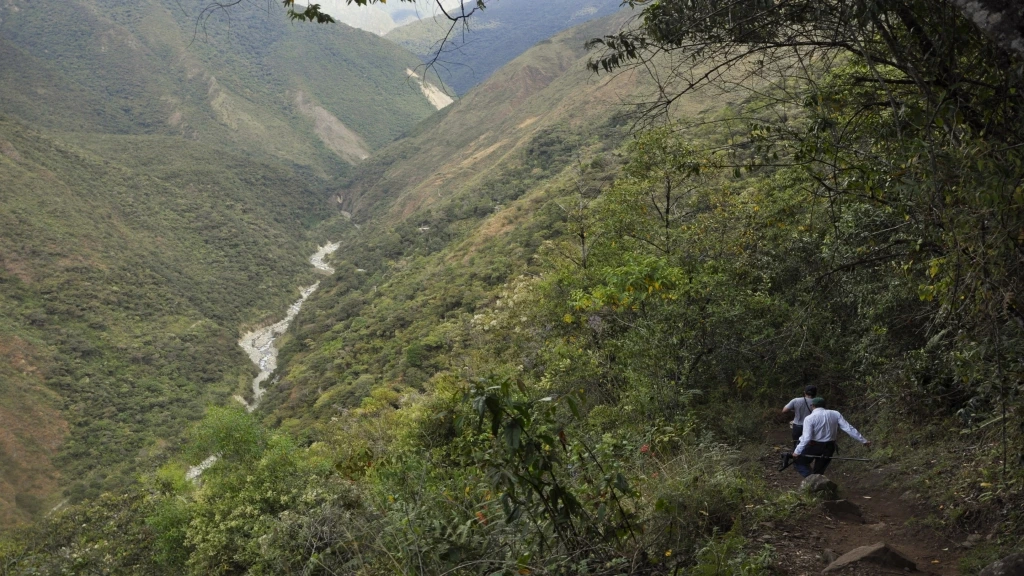
You don’t need to be a believer or devout to join the many pilgrims of Santa Teresa. That’s neither necessary nor essential, just as it isn’t required to thank for a miracle by lighting a candle, to seek indulgences by reciting ten Our Fathers and fifteen Hail Marys, or to beat your chest for sins committed and those yet to come.
No dramatic confessions or astonishing miracles here—just humble requests to the heavens for the sun not to be unbearable and the rain not to turn into a deluge. Also simple expressions of wishes that will soon be fulfilled, thanks to Santa Teresa, always Santa Teresa, who warmly welcomes those who believe, those who doubt, and even those who deny… in short, all the pilgrims who visit her.
They come from afar. They cross the mountain range. They venture into the forest. But who are they, what motivates them, what do they seek and find in Santa Teresa of Cusco, Santa Teresa of the La Convención province, Santa Teresa of the Amazon that emerges behind the Andes mountains as if it were a geographical miracle, one of the many that exist in Peru.
I am one of them. A pilgrim from the Cusco jungle. A traveller exploring the communities, forests, rivers, flora, and fauna of the Antisuyo (meaning “the eastern region” in Spanish), as the Incas called this wooded and sometimes unconquerable area that unfolds like a green mantle behind a chain of frozen peaks.
Santa Teresa is an emerging Amazonian destination. Its pilgrims arrive by bus and shared transport with the aim of reaching Machu Picchu via an alternative route. What many don’t realise is that in this district of the La Convención province, 221 kilometres from Cusco and 121 from Ollantaytambo, there is a wealth of attractions that will renew your faith in walking.
A route not quite so saintly
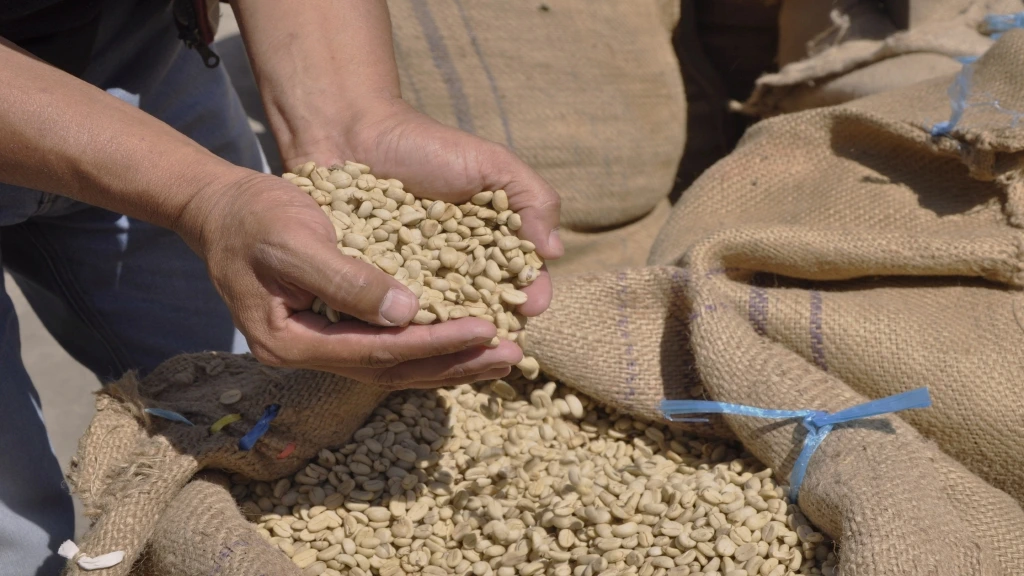
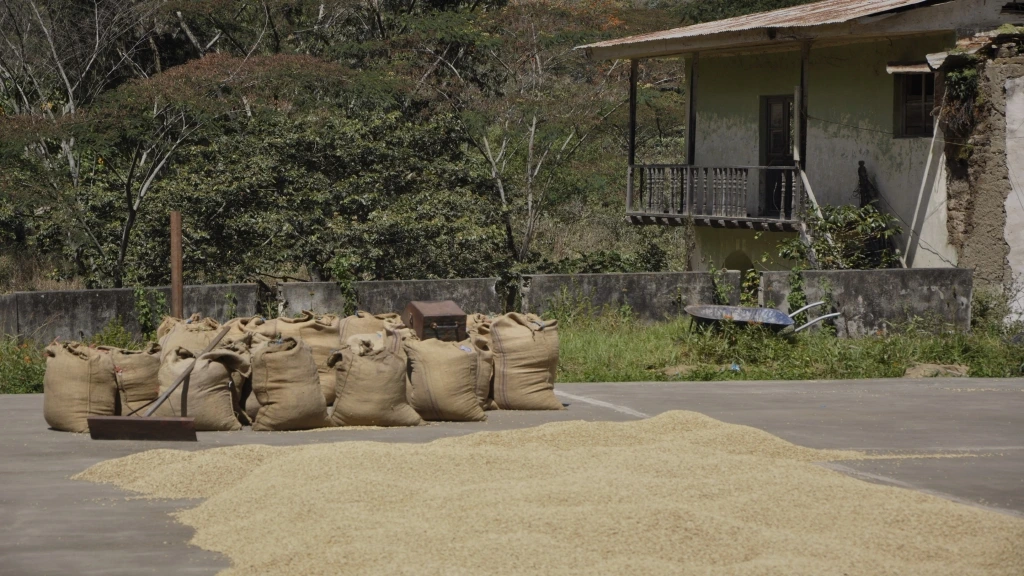
The aroma of coffee and the taste of fruit. Adventures along the trails and hills of the high jungle. The search for birds among the shadows and light of dawn. Relaxing at night in hot springs that soothe the soul. Experiences, nostalgia, and memories of a journey that began with uncertainty at the bus stop on Antonio Lorena street in the Santiago neighbourhood (just 15 minutes from the centre of Cusco).
Engine running. There’s no turning back, even as doubts linger. Better to ask. Better to be sure. “Sir, are you going to Santa Teresa?” “No, I’m going to Quillabamba (the capital of La Convención), but get in, I’ll drop you in Santa María.” Confusion. The wrong Santa. Ask again, confirm again. “Sir, I’m not going to Quillabamba or Santa María.” “Just get in, I’ll let you know when to get out.”
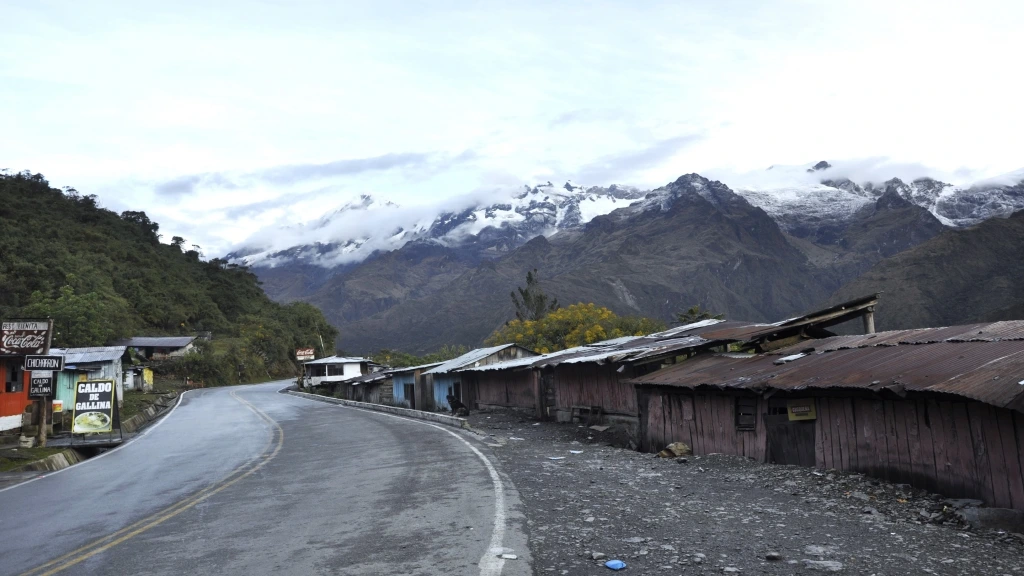
All that’s left is to trust, pay (between 25 and 30 soles), and hope the route is correct. Time passes. Ollantaytambo appears outside the windows. A good sign. Many travellers begin their journey at this point. What follows is the winding ascent to Abra Málaga, the natural pass between the mountain range and the jungle. The sky darkens. The cold intensifies. Hail falls at 4,200 m a.s.l.
The Andes bid farewell. The landscape changes. The jungle begins to reveal its exuberance. Am I close to Santa Teresa? Anxiety takes hold, and I ask the passenger next to me. “Not quite. I’ll let you know,” he responds kindly. He then clears up all my doubts about my itinerary. Conclusion: I’m on the right track, even if the bus is going to Quillabamba, even if the bus drops me in Santa María.
“You’ll get off there and take a taxi or shared transport to Santa Teresa.” I thank him and check my watch. We’ve been travelling for four hours; in another hour, I’ll be in Santa María. I’m not staying there. I’ll hop on the first vehicle I find. “They’ll charge you between 10 and 15 soles,” my occasional companion warned. I repeat it to myself several times to convince myself and dispel my final doubts.
Santa Teresa: A place to pass through?
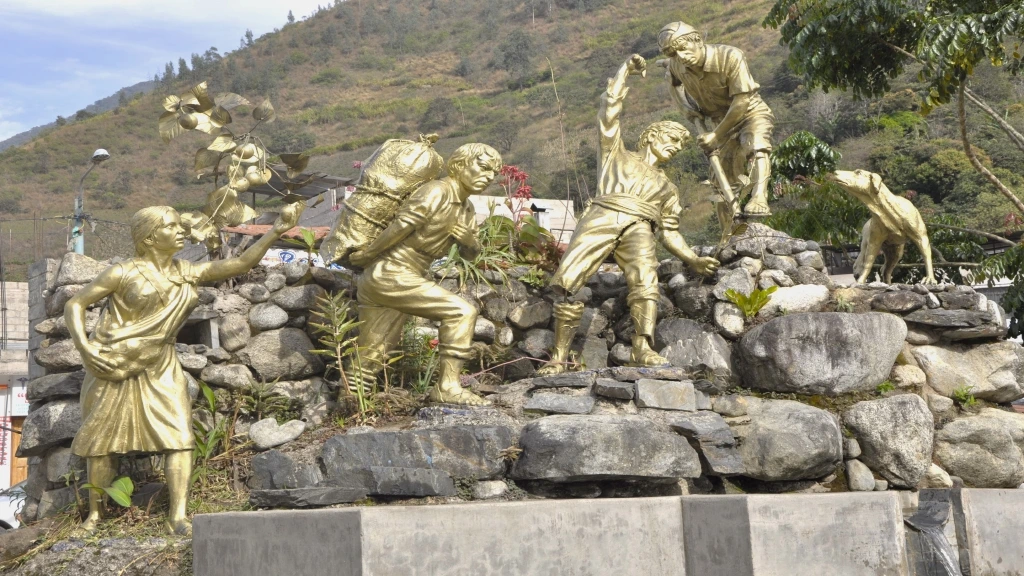
The vehicle comes to a stop. “Who’s getting off at Santa María?!” shouts the driver. Several passengers follow my lead. A row of houses along the roadside welcomes us. Now I remember the information from my seatmate. It’s all correct, but he left one thing out: there’s not just shared transport to Santa Teresa; there’s also a walking path, a trekking route that connects the two towns.
That will be for next time. That next time I started dreaming about before I even set foot at my destination. Patience. It’s not long now. Only 25 kilometres separate the “santas” of La Convención. In an hour, I’ll be in warm Santa Teresa (1,550 m a.s.l.), with its archaeological sites, its views of the jungle and the Andes, its LED lights for spotting cock-of-the-rocks, and its hot springs that soothe the fatigue.
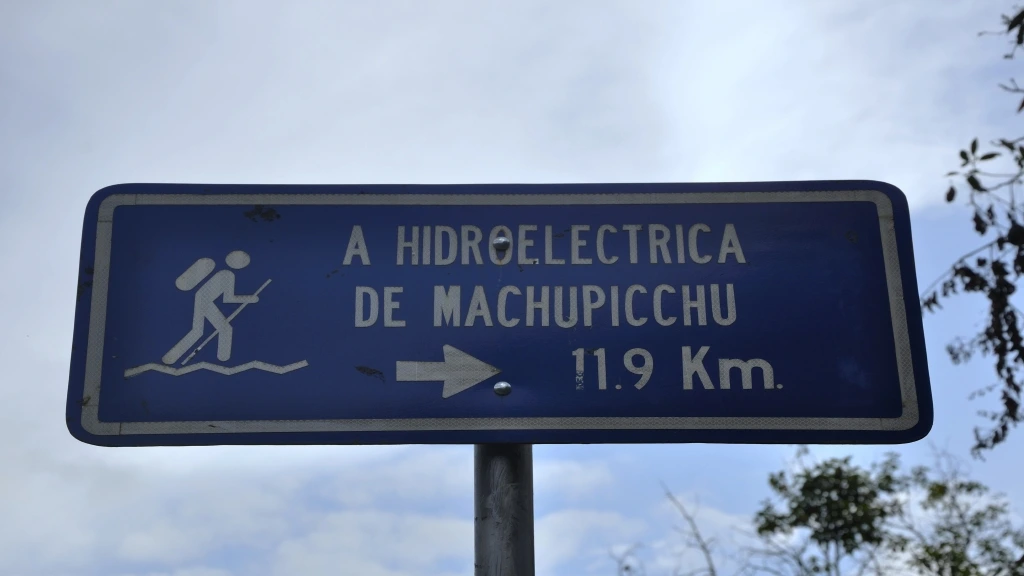
Visiting these and other places before embarking on the alternative route to Machu Picchu is an option you should consider when planning your holiday in Peru and Cusco. Many don’t do this due to the anxiety of reaching the Inca citadel as quickly as possible. And while the journey through Santa Teresa is longer, it allows you to save several soles and dollars, which is appealing to younger tourists.
If saving money is part of your plan, keep in mind that this alternative means forgoing the train journey from Ollantaytambo to Aguas Calientes (which is expensive). You will travel by road to Santa Teresa (6 hours), where you’ll take a shared taxi to the Hydro Electric Station (30 minutes, 10 soles). Your journey doesn’t end there. At this point, you can choose to walk (2 hours) or take the train from Hydro Electric Station to Aguas Calientes (30 minutes).
Once in the town, you’ll have to decide between reaching the historic sanctuary of Machu Picchu by tourist buses (12 dollars) or on foot. If you choose to walk, keep in mind that it will take around two hours to ascend. It’s important to buy your ticket in advance from the official website. Remember that these tickets have specific dates and entry times. Plan your time carefully.
Heading to Llactapata
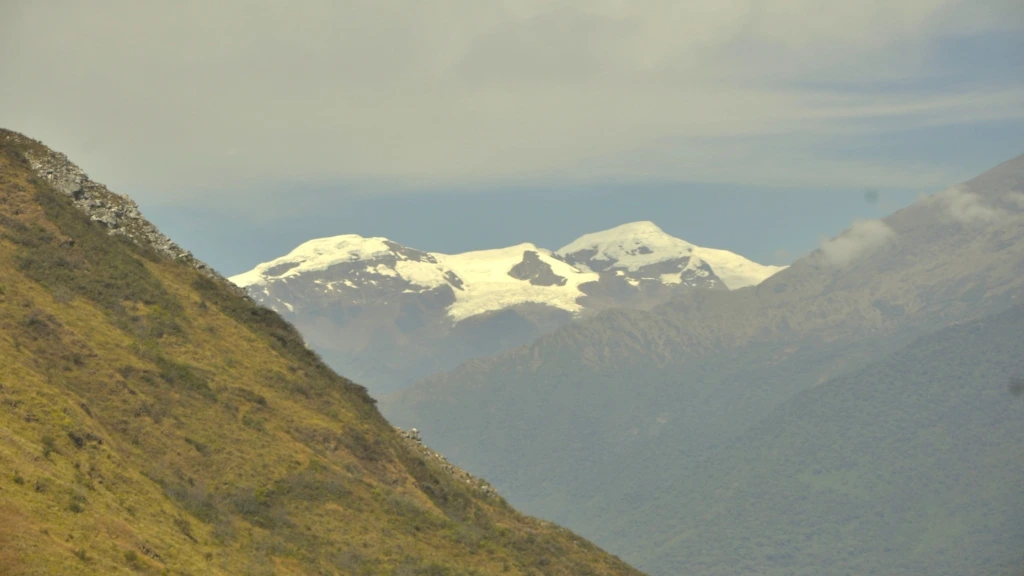
My pilgrim memories—far from being saintly, pious, or indulgent—place me in a spot called Lucmabamba (2,026 m a.s.l.), the starting point of a warm 12-kilometre walking experience, through fields of crops, along steep inclines and descents that tempted cramping, with stops to recharge my energy while soaking in the geographical surroundings.
In Lucmabamba (10 km from the urban area of Santa Teresa), a sign marks the entrance to a section of the Inca Trail, the legendary and extensive network of pre-Hispanic paths that amazed the conquistadors. I move forward. I photograph the crops. I enter some farmhouses. I chat, learn, and joke. I continue on my way. My eyes delight in the views of the snowy Padreyoc, Sahuayaco beach, and Tunki Huayco.
As I write these names, I think of other getaways. The Padreyoc transports me to Choquequirao, an archaeological site that my hosts claim is in their district. Sahuayaco beach reminds me of the third day of the Salkantay-Machu Picchu circuit, and Tunki Huayco is synonymous with cock-of-the-rocks, the national bird, which I spotted on my first dawn in Santa Teresa.
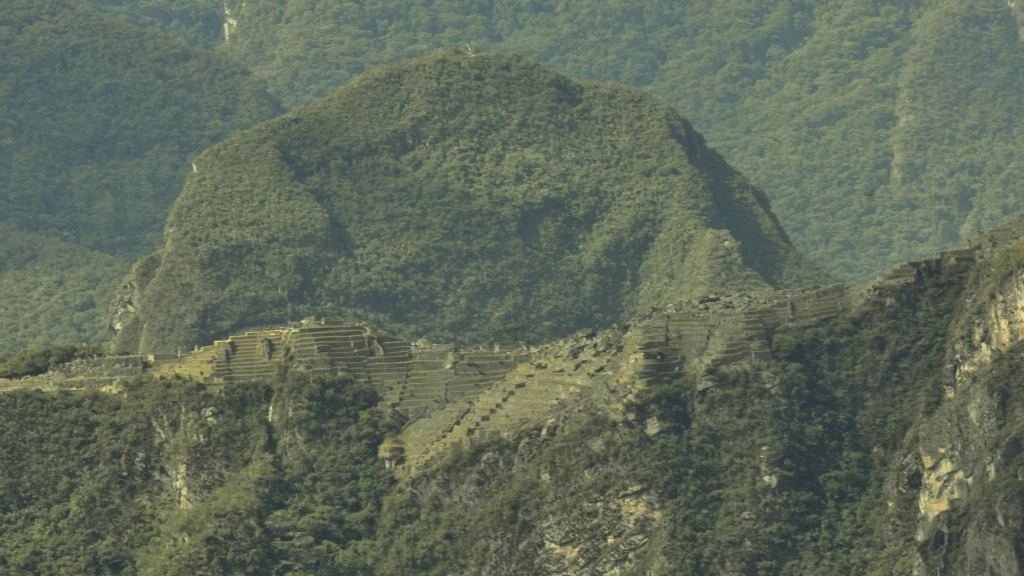
Kilometre six. I stop at a clearing. Machu Picchu and Huayna Picchu silhouette against the horizon. Below, the Urubamba River winds its way through the landscape, while clouds blur the peaks of a snow-capped mountain. These views are complemented by the stone walls of the two enclosures of Llactapata, which boast well-preserved double-jamb doors and trapezoidal niches.
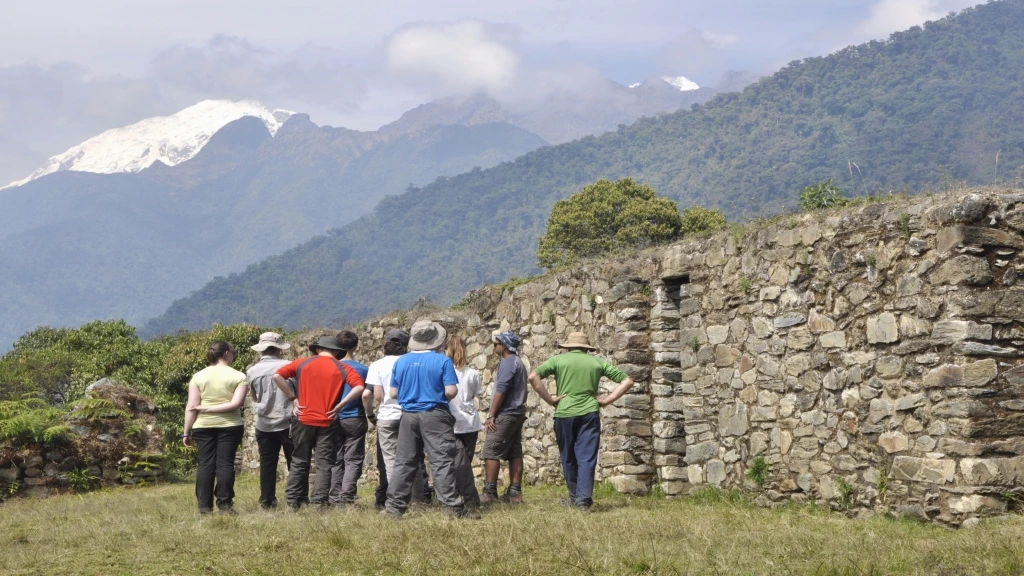
Momento de reflexión. Tiempo en el que trato de entender la función de este lugar. Fue un bastión militar, una pascana para recuperar fuerzas o un puesto de control que permitía registrar a quienes se acercaban a la máxima obra arquitectónica del Tawantinsuyo. Es difícil saberlo, como es difícil reiniciar la marcha. No quiero hacerlo, pero la hora avanza. Un largo descenso me espera.
A moment of reflection. A time when I try to understand the purpose of this place. Was it a military stronghold, a rest stop to recover strength, or a checkpoint to register those approaching the greatest architectural feat of the Tawantinsuyu? It’s hard to know, just as it’s difficult to restart my journey. I don’t want to, but time is moving on. A long descent awaits me.
Cocalmayo: thermal relaxation
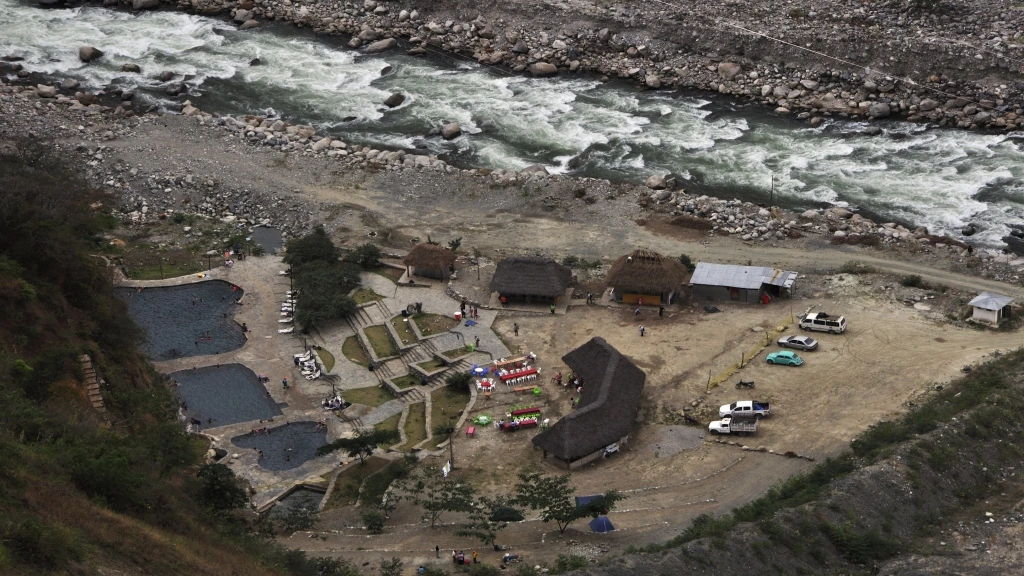
It’s that simple and that clear: Santa Teresa will not intercede in the forgiveness of this tourist sin; no matter how much you pray, she won’t use her influence in the heavens. Consider yourself warned. If you don’t want to offend the patroness of the district that welcomes you, you must visit the hot springs of Cocalmayo (1,600 m a.s.l.), whose clear waters, fed by the Uripata lagoon, range between 38º C and 44º C.
Whether by day or night, its three open pools are perfect for rejuvenating after the long journey from Cusco or at the end of an intense day of exploration. Its proximity to the urban area (20 minutes by car) makes it an accessible and attractive destination. The baths are located near the Urubamba, or Vilcanota River, which feeds the Sacred Valley of the Incas.
The pilgrimage comes to an end. There are routes awaiting that reinforce the promise to return, a promise that emerged in Santa María. Yes, to return in search of different bird species, other Inca constructions—such as Pinchaunuyoc, along the fantastic route to Choquequirao—other trails leading to Vilcabamba, one of the strongholds of resistance to the Spanish invasion.
Yes, I want to be a pilgrim of Santa Teresa once again, because even without being a believer or devout, I found more than one geographical, historical, and natural miracle in her territory. Miracles that await you in the Cusco Amazon, in the Antisuyo of the Incas, in the biodiverse forest that is the lungs of the planet. This and other reasons make this destination much more than just an alternative route to reach Machu Picchu.
October 26, 2024