


Puno: Adventures on Lake Titicaca
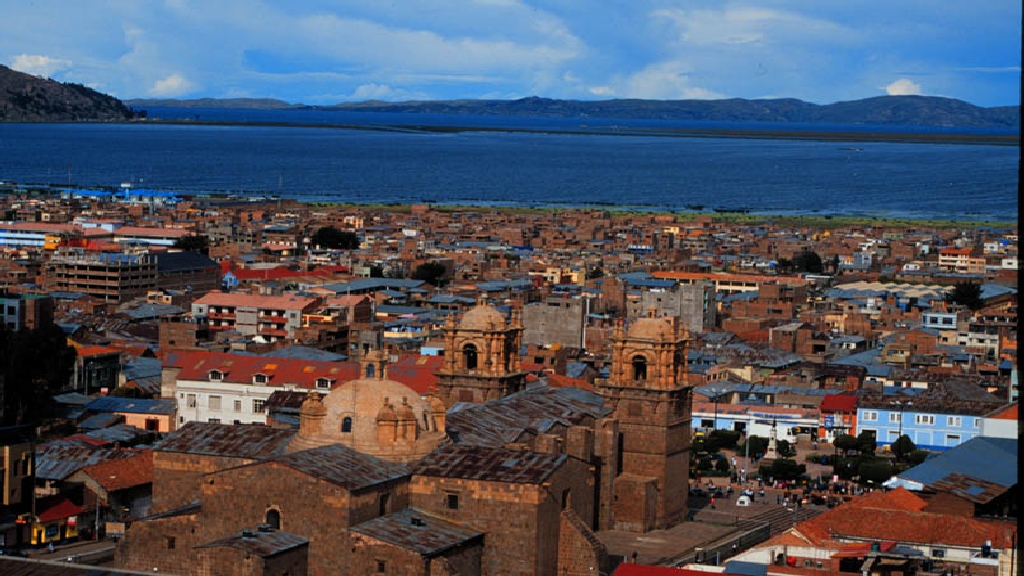
Demons and archangels in streets and squares that are neither of heaven nor hell, but of a city that prays, dances, and toasts. An old man who predicts the rain on the shores of a lake with real islands and others woven by the descendants of an ancient people. A young man who recalls the stories his grandfather told him when the lightning tore through the sky of their community.
If you are alone on the plain and a lightning strike hits you but doesn’t kill you, you become a yatiri — a person who knows, who heals, who advises, who communicates with the gods and nature, and also with other people. But if anyone sees you, even if they are very far away, the lightning will take away your intelligence, and you’ll become a fool. Now that you know: would you risk going out in a storm?
“No, of course not. I’d rather stay as I am: neither genius nor fool,” or something like that, I jokingly replied to the guide-grandson who, on the shores of Lake Titicaca — the mythical lake from which Manco Cápac and Mama Ocllo, the “children of the Sun,” emerged — shared this story with me about the yatiris, the Aymara shamans. Just one of the many anecdotes and experiences I’ve “harvested” in Puno, a destination of altitude, folklore, and nature.
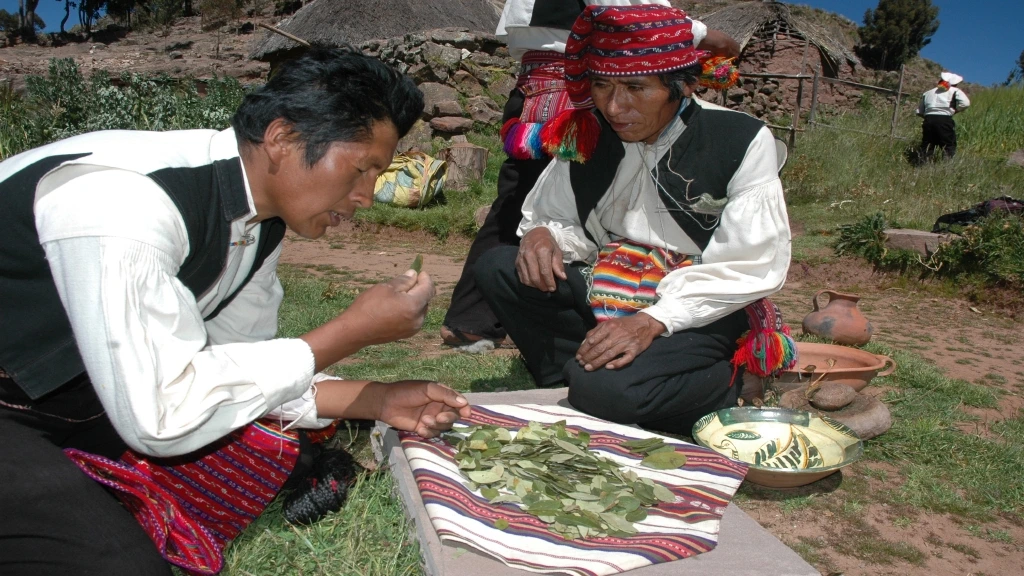
So many times, Puno. With its demons and archangels, its morenos and sikuris who dance for the Virgin of Candelaria. With its wise elders who predict a good rainy season by observing the nest of a bird on the lakeshore. “It’s high,” he told me, “that means the water will rise, otherwise, it would have built the nest lower,” he concluded with absolute certainty.
I looked at him in awe and believed him. There is knowledge that comes from observation and wisdom that is passed down through generations. The same happens with the myths and legends that give identity and a sense of belonging to the people. These ancestral roots turn this land of Quechua and Aymara into one of those places that leave a mark and inspire travellers.
Heading to the mythical lake
I know that. I’ve lived it as I sailed towards the islands of Titicaca, where I was “adopted” by a family of community members, as I relaxed on a beach at nearly 4,000 meters, as I watched the men weave and the women work the land, as I accompanied the thousands of devotees whose faith and artistry led to the Candelaria Festival being declared a UNESCO Intangible Cultural Heritage of Humanity.
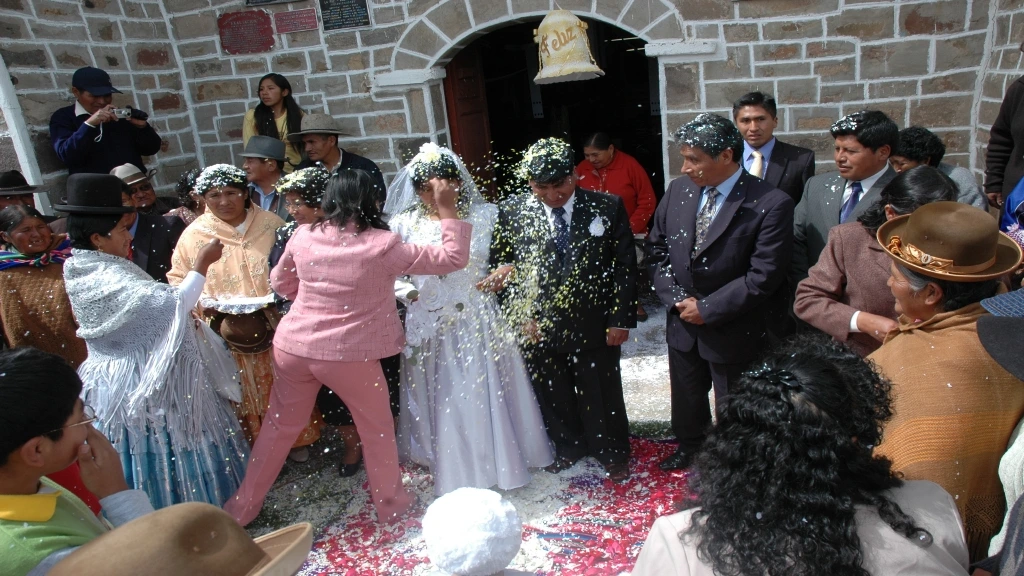
So many experiences in Taquile and Amantaní, places where people live in community and preserve many pre-Hispanic traditions; in the archipelago built and woven by the Uros with totora reeds since time immemorial, on the white sands of Chifrón Beach, on the Capachica Peninsula — yes, a beach on Lake Titicaca — and even at the wedding I attended on the island of Anapia, where I didn’t know the groom or the bride.
I still had a wonderful time at the celebration. After all, I was on the island and the whole community was invited to the wedding. No one is a stranger when sharing is part of your way of life. This way of being remains in many communities in Puno and around Titicaca. Perhaps that’s why I’ve returned several times. Perhaps that’s why I’m writing this, hoping to convince you to explore Peru’s Altiplano.
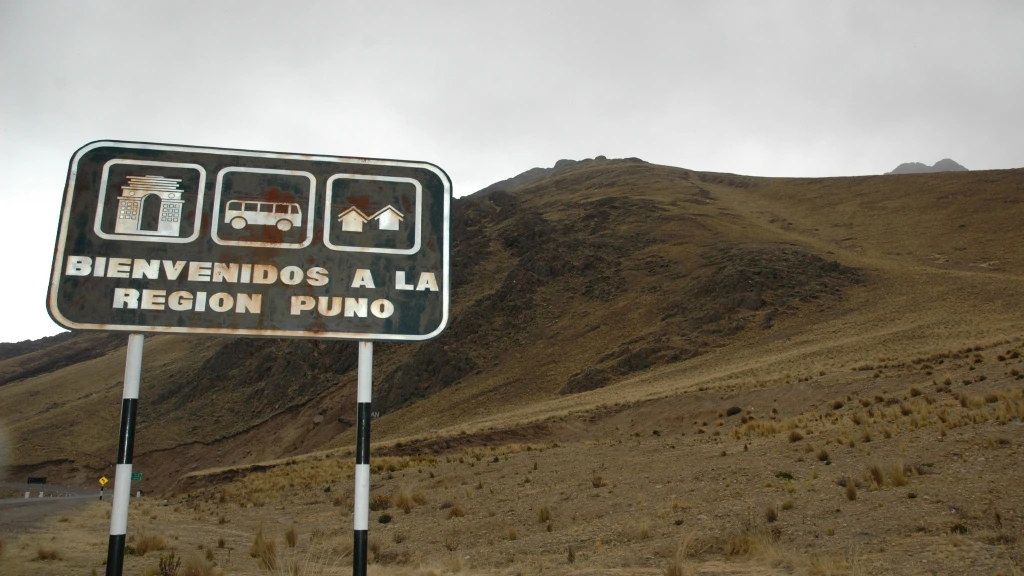
It’s not complicated. If you’re in Cusco or Arequipa, you just need to take one of the many buses that depart daily to the “Folkloric Capital of Peru.” If you’re looking for more comfort, hire the services of a local operator. Travel agencies will offer various itineraries for a destination that is part of the well-known Southern Circuit, the most visited and established route in the country.
Pack your backpack and head towards Titicaca. The journey by paved road from Cusco takes 7 hours, and the ticket price is approximately between 30 and 55 soles. A good alternative is to take the bus at night to arrive in the early morning. If you’re in Arequipa, the trip takes 6 hours, and the ticket price is similar to the one mentioned above.
Defeat the cold and the altitude sickness

Do not fear Puno or Lake Titicaca. Don’t let the warnings about its altitude (3,827 m a.s.l.), its intense cold, hailstorms, and dry wind that cracks your skin intimidate you. Listen to them and take precautions, but don’t change your plans. Acclimate in a lower city, wear warm clothing, pack rain ponchos, and apply cocoa butter to your lips to prevent chapping.
Once you’re in the city and in the communities around Titicaca, you’ll find warmth in the coca tea, in the soups with charqui, potatoes, and chuño that the “mamitas” prepare. You’ll also find comfort in the thick blankets that will ease your nights in luxury hotels, modest hostels, and in the homes of the Quechua and Aymara farmers who will open the doors of their homes to you. They will greet you with kindness and courtesy.
Living, community-based experiences on the shores of the highest navigable lake in the world. Set sail. Navigate the blue waters of Titicaca, a vast lake of 8,600 km² shared by Peru and Bolivia. Remember the legend, so often told in school, about the origin of the Incas. From here emerged Manco Capac and Mama Ocllo. From here they set out to fulfill the orders of their father, the Sun.
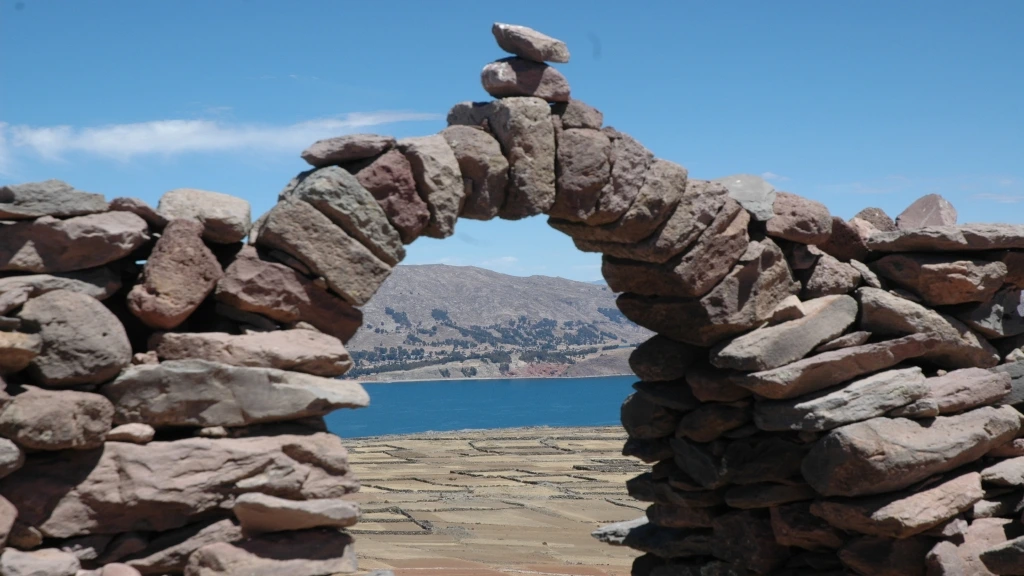
The couple did not fail their God and progenitor. They fulfilled their mandate and founded Cusco in a fertile valley. I learned this in my childhood, and although I know it’s a myth, today I want to believe it’s true. Only today, as I contemplate the splendid waters of the “stone puma” or the “rock of the sun” — two of the Spanish translations of its name — stretching out to the Andean horizon.
What isn’t a myth are the fantastic journeys in this inland sea that generates life. What isn’t a legend are the tourist excursions that begin at the lakeside port of Puno, the capital of the region of the same name, the city that dances in February to honor the Virgin of Candelaria. What is neither a myth nor a legend is that your adventures in this destination will be unforgettable.
Sailing on Lake Titicaca
The lake is right before your eyes. You see it in all its vastness from Huajsapata Hill, “the witness of my loves,” as those born in one of Puno’s traditional neighborhoods sing. From this vantage point, just 350 meters from the main square, a statue of Manco Capac points toward the waters of Titicaca, as if inviting you to explore its landscapes and the culture of its people.
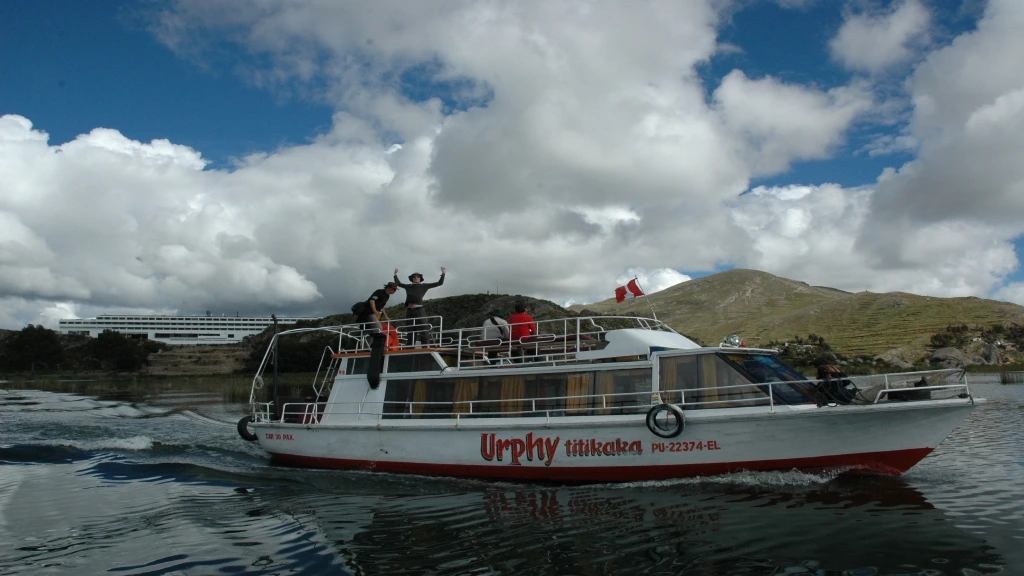
The lake is right before your eyes. You no longer see it from a viewpoint, but from the bay and port where tourists await the moment to set sail on a boat to the Uros’ totora reed archipelago (30 minutes), or to the islands of Taquile (2.5 hours) and Amantaní (3.5 hours). This is the main circuit, which you can do in its entirety or split over one or several days. It’s up to you. It’s your choice.
If time isn’t your best ally, escape to the floating islands. Located within the Titicaca National Reserve (6 kilometers from Puno and 3,810 meters above sea level), its inhabitants are descendants of the Uros, a people who have navigated the lake for thousands of years (since 3000 BC). They “skillfully managed their totora reed rafts, a material abundant in the area.”
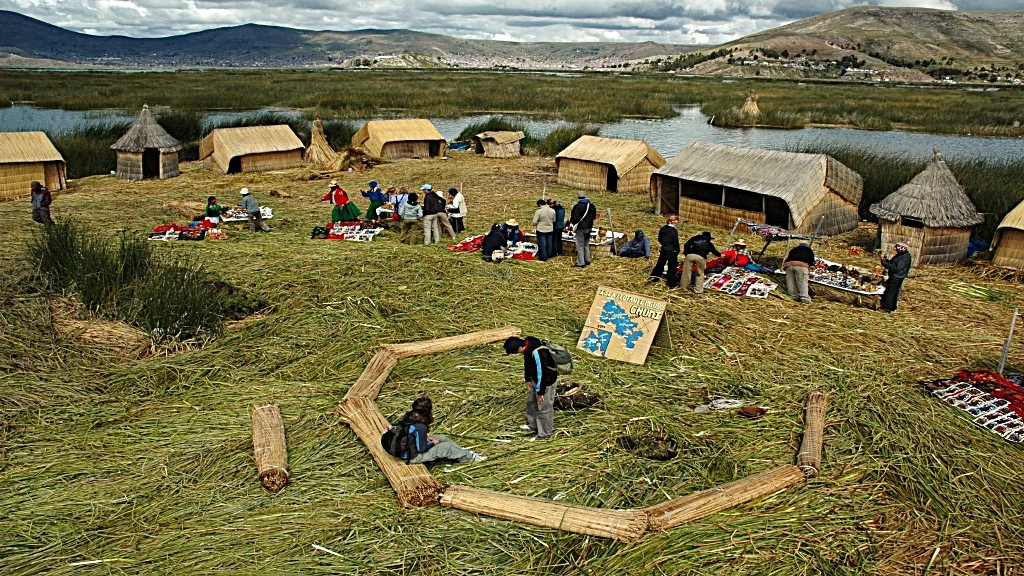
That’s what is explained in the Tourism Resources Information Sheet from the Ministry of Foreign Trade and Tourism (Mincetur). But it’s not the only thing. The story of the Uros, “the men of the water,” is an example of resilience because “they were always persecuted, from pre-Columbian times, and possibly that led them to choose to live on the water, becoming slaves to the great Tiwanaku culture…”
Think about that as you step onto their soft totora world, as you see their houses with totora walls, as you sail on their rafts… yes, even those are made of totora. Imagine what it’s like to live surrounded by water, on a small island made of reeds that must be constantly renewed. It’s not easy. You’re exposed to the wind, the rain, and the whims of the lake, but there they are, enduring, just as their ancestors did.
Experiences at High Altitude
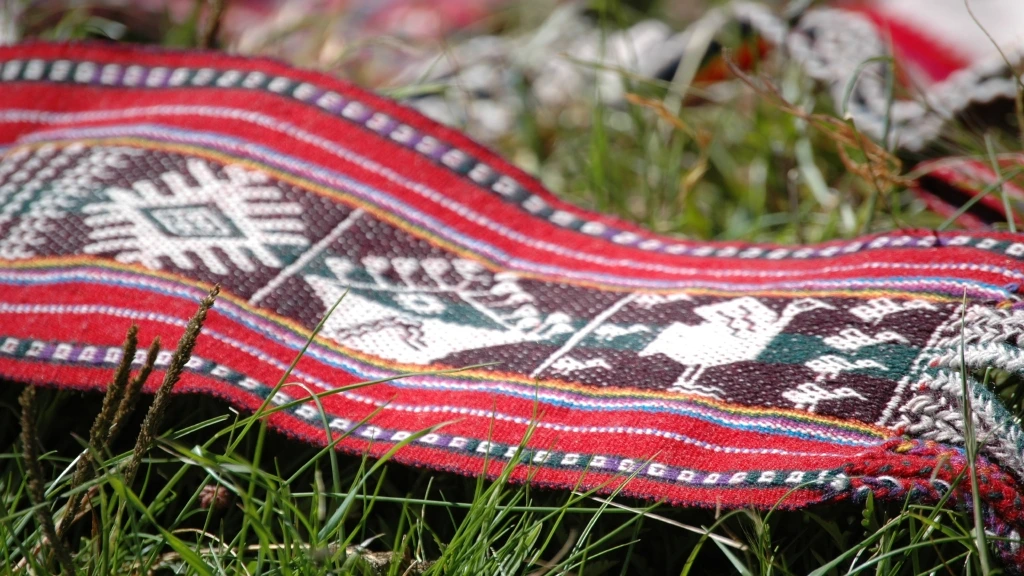
Forget about time and travel rushes. Change your itinerary and don’t return to the city after meeting the Uros. Stay by the lake. Return to the boat and let yourself be taken to Taquile and Amantaní, two islands that aren’t woven, but where weaving is done with passion, skill, and originality. When you visit them, you’ll feel like staying one or more nights. Do it, and you’ll feel like one of the locals.
Experiential and community-based tourism is one of Puno’s strengths. Staying with Quechua or Aymara families, joining them on their farms, fishing in the lake, participating in their rituals to the earth and mountains, dancing under a starry sky—these are unique moments that complement the views of the radiant Titicaca.
Taquile and Amantaní aren’t the only places offering this kind of tourism. You’ll also experience it in Anapia and Yuspique (Yunguyo province), and the Capachica Peninsula (Puno province, accessible by land). Here, you must “summer” on Chifrón Beach—a “little piece” of the Caribbean on the Altiplano—where they’ll welcome you to discover and enjoy every minute of your stay to the fullest.
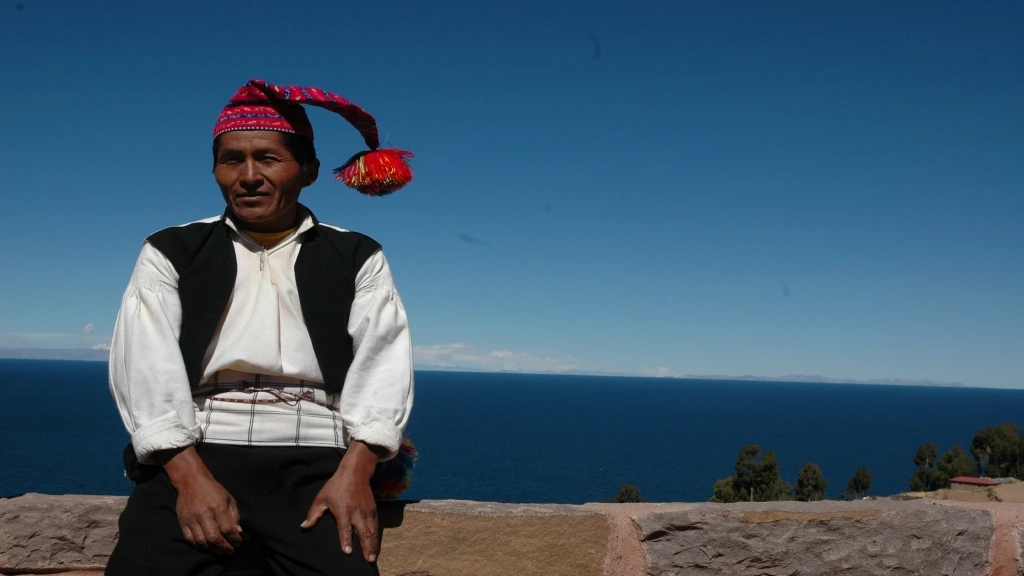
How could you ignore Puno and its great lake? In this text, we’ve only shared a little bit of everything you can visit on the waters, the shores, and the mountains of the “stone puma.” We will write about the city and other attractions of the region later, such as the archaeological site of Sillustani, the chullpas of Cutimbo, the churches of Juli, the Tinajani Canyon, and even the snow-capped peaks of the Carabaya mountain range.
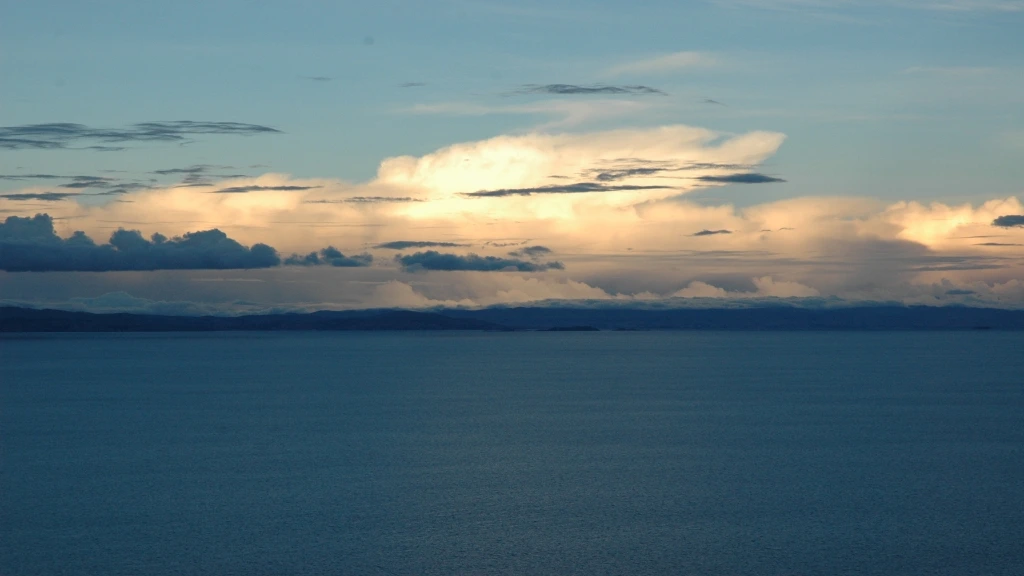
For now, we just wanted to show you the main attraction of the Peruvian Altiplano, so you can imagine and yearn to watch the sunset from one of the islands of Titicaca. Then, when you’re there, enjoying, relishing, and marveling at the daily spectacle of nature, you won’t care about the cold or the altitude that they warned you about. Puno will always embrace you with its views and the warmth of its people.
November 30, 2024