


Cusco: The gateway to the biodiversity of Manu
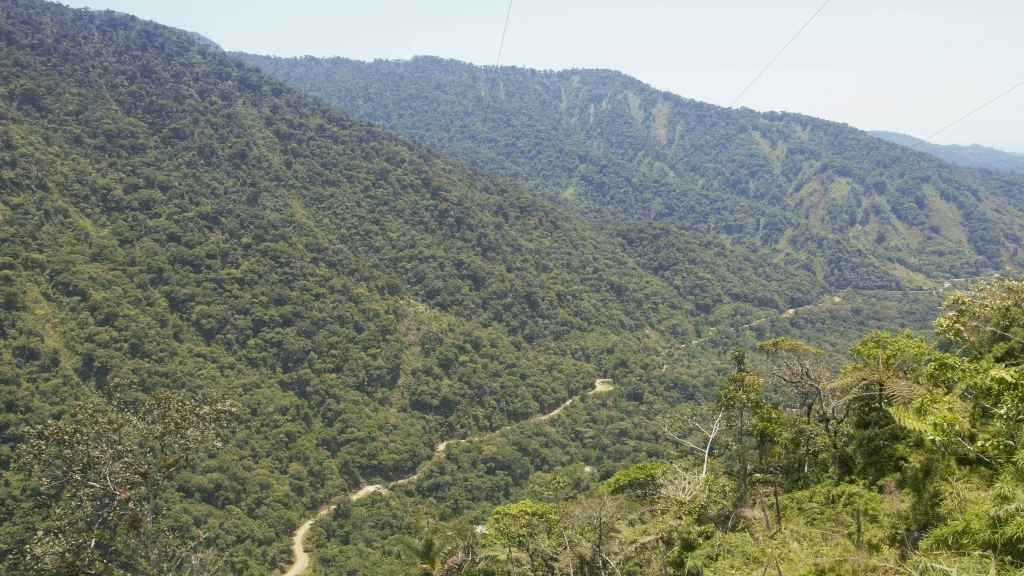
From the “navel of the world” to one of the lungs of the planet. From the highlands to the cloud forest, on a route where nature and biodiversity are the absolute stars. From snow-capped peaks to the green-clad mountains of a biosphere reserve. From windswept plains with sparse vegetation to the lush lowlands of the jungle — a challenging journey through the Andean and Amazonian Peru.
Everything shifts in this adventure. The visions, the colours, the shades of the horizon. The scent of the earth and the whisper of the wind. The force of the waters swelling the rivers and the “voices” of animals multiplying. It’s astonishing — and perhaps even magical — how geography, landscape, climate, culture and even the flavours of food transform in just a few hours of travel.
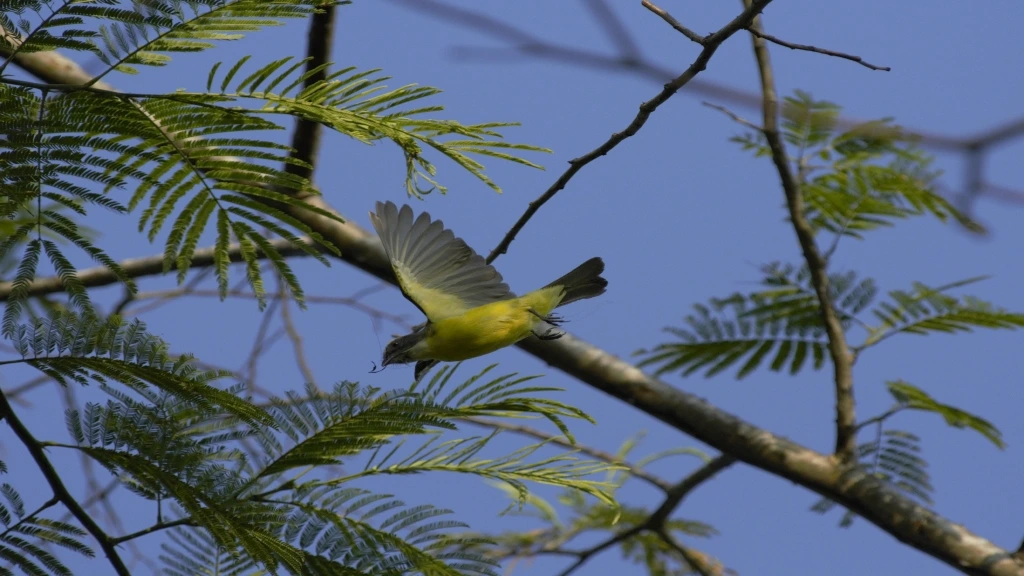
You don’t need much time to witness how Inca, colonial and cosmopolitan Cusco, with its apus (sacred mountains), plains and valleys, gives way to the jungle of Manu National Park and Biosphere Reserve. This protected area covers 1,716,295 hectares and is home to around 160 species of mammals, over 1,000 species of birds, and more than 30 million insects.
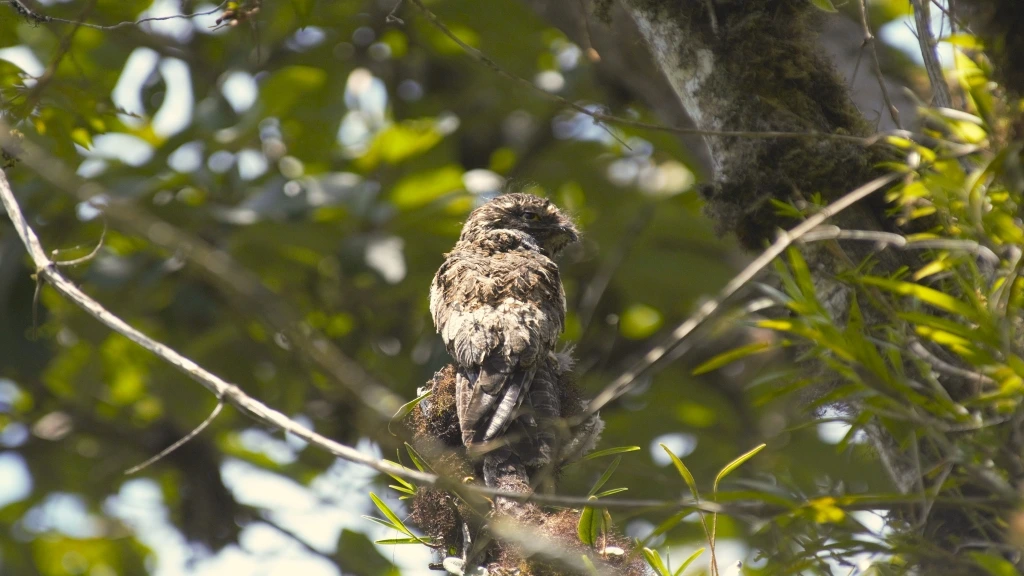
If you feel the call of the forest and its biodiversity. If you long to explore Amazonian trails and sail along mighty rivers. If you want to disconnect from the modern world and return to what is essential, simple, and natural — Manu is waiting for you with its rustic yet welcoming lodges, where time moves slowly, where worries don’t exist, and where nature sets the rhythm. That’s what awaits you in this destination.
I know it because I’ve lived it. I’ve walked its trails. I’ve been drenched by its rain. I’ve sailed while flocks of birds filled the sky; while caimans and capybaras lingered on the riverbanks; while spider monkeys and sloths seemed frozen in the treetops. I’ve seen a lot, but not everything. And that’s why I long to return.
Goodbye to Cusco
Dawn breaks in Cusco, but it’s not just any sunrise in the “Historic Capital of Peru”. Today I set off for Manu National Park. Established in 1973 on the western edge of the Amazon basin, it is described on the official website of the National Service of Protected Natural Areas (Sernanp) as “one of the most important areas on the planet in terms of biological megadiversity”.
It will be eight days of roaming through a life zone that “in its vast expanse crosses frigid high-altitude grasslands —rising above 4,000 m a.s.l.—; rugged forested mountains that give rise to countless small ravines and valleys; cloud forests of the high jungle and, finally, the Amazon lowlands”. In this shifting geography lies “a representative sample of biological diversity”.
Eight days that begin with a road journey to the province of Paucartambo (south-east of Cusco), the gateway to a green wonder that stretches all the way to the province of Manu, in the Madre de Dios region. Tourist itineraries —where booking with a specialised agency is essential— include strategic stops at places of interest. Shorter routes are also available.
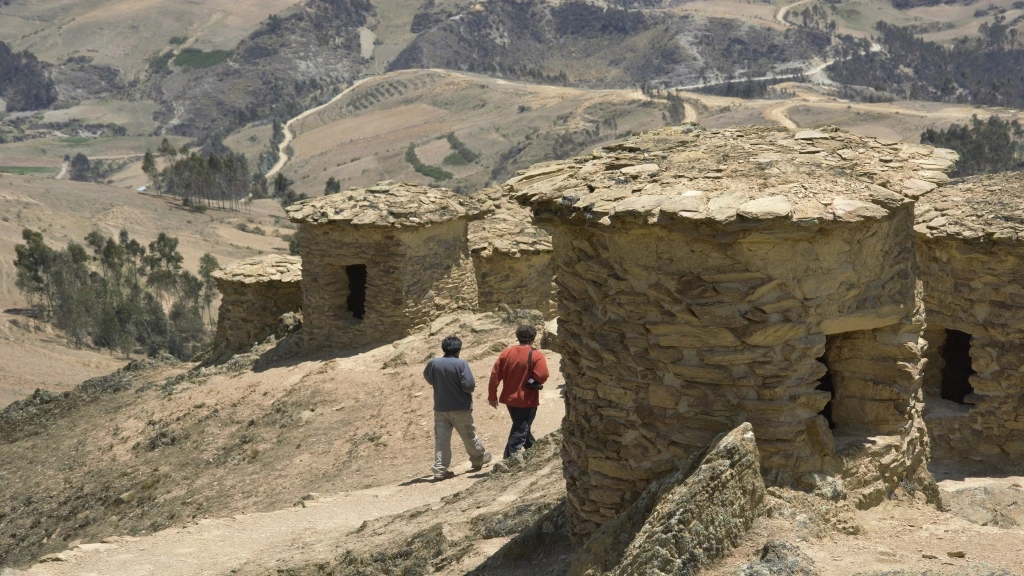
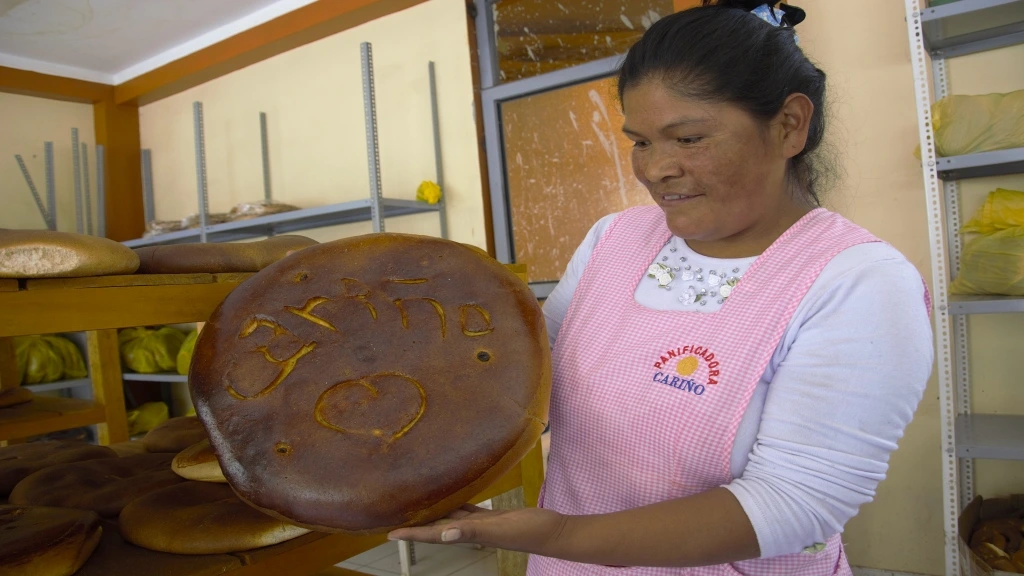
Before discovering the green world that will be my temporary home and refuge, I’ll taste the famous pan chuta from the town of Oropesa (round loaves, shaped like the old long-play records), and visit the pre-Hispanic chullpas of Ninamarca (3,600 m a.s.l.), the funerary monuments “sown” by the Lupaca people in pre-Hispanic times, set in a highland spot from where you can gaze upon the sacred mountain Apu Pitusiray.
And there’s more —there’s always more. The square and streets of the peaceful town of Paucartambo (110 km from Cusco, at 3,017 m a.s.l.). The colonial Carlos III bridge, the modest church that houses the venerated image of the Virgin of Carmen, and the whitewashed houses with blue balconies, weaving together a beautiful urban and rural landscape. The perfect prelude to the cloud forest.
Approaching the jungle
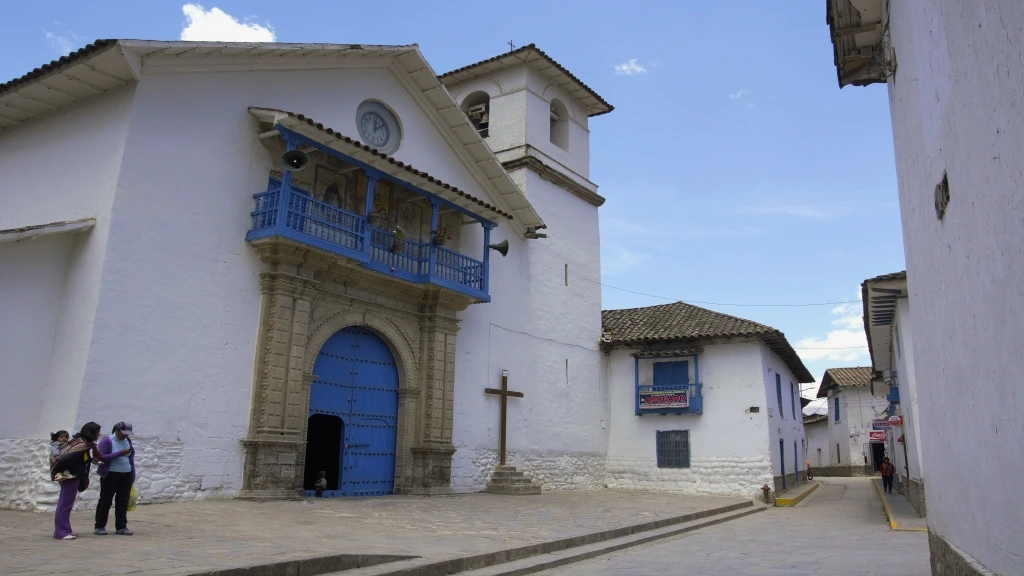
Paucartambo, the “Folklore Capital of Cusco,” marks the gateway to the misty montane cloud forest, a key area in the water cycle. Here, the mountains are still present, but they’re covered with trees and lush vegetation. It’s an ideal setting to spot orchids and to hear or see a variety of birds, including the iconic Andean cock-of-the-rock.
This national bird is not the only remarkable species found in this humid and rainy forest. Spectacled bears, also known as ukukus or ucumaris, live in this region where rainbows often brighten the horizon. Excellent walkers and skilled tree climbers, these unique South American bears spread the seeds of the fruits they eat, playing a vital role in maintaining the ecological balance.
Their common name comes from the cream or white markings around their eyes, which are unique to each individual. Sadly, deforestation poses a serious threat to the Tremarctos ornatus (their scientific name), an animal considered by the Matsigenka people — one of the native communities of the Amazon and the Manu — as a creator of life.
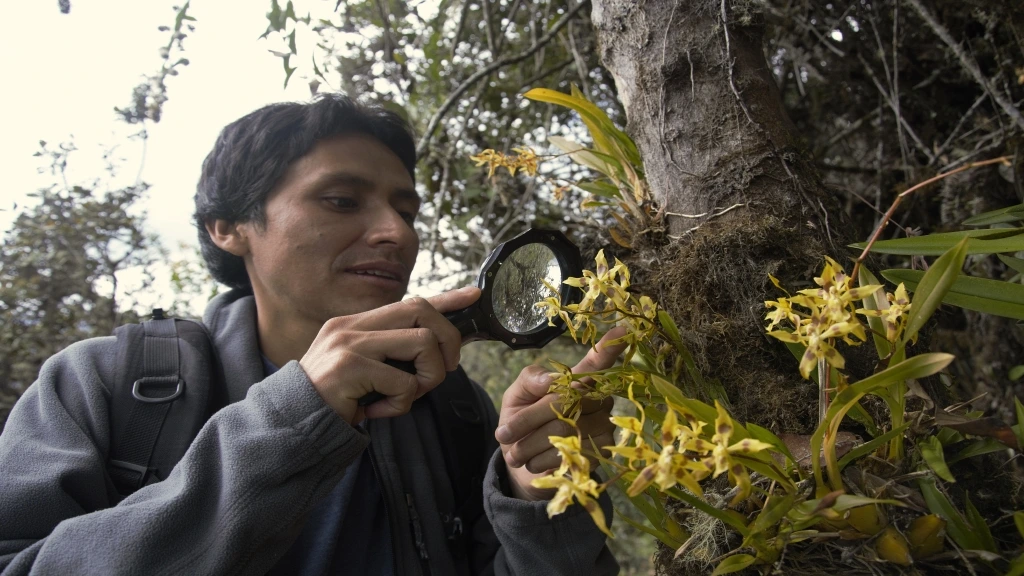
And although it’s not easy to come across a ukuku on a trail or high up in a tree, you should never lose hope. The jungle is full of surprises and discoveries. It’s essential to stay alert, always alert, with all your senses open. This advice will be especially useful at the Acjanaco pass, checkpoint, and viewpoint, the highest point on the route to Manu (3,600 m).
From the viewpoint, the national park seems to stretch far beyond the horizon — a horizon without limits, without mountains. A flat horizon, carpeted in greenery and crossed by the dark waters of the river. But that’s not the only view. You’ll also spot the peaks of the Ausangate range, the colourful farmlands of the inter-Andean valleys, and the misty beauty of the cloud forest.
The first excursions
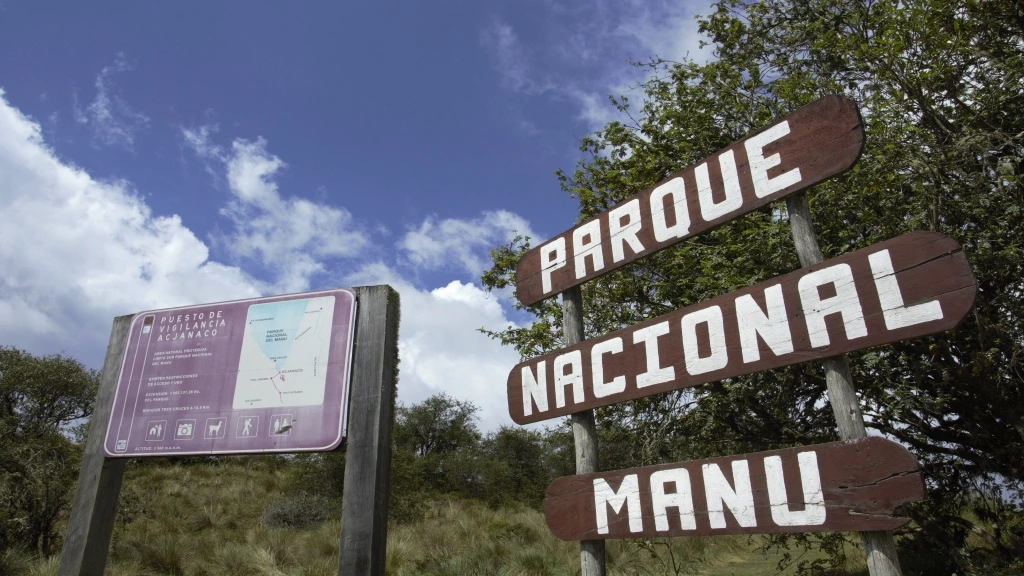
The journey continues after the visit to the Acjanaco viewpoint. Now the road twists and winds its way down, following the course of the Paucartambo River and cutting through the lush vegetation. Crystal-clear streams cascade down the mountain slopes, refreshing the landscape. Everything changes. Everything feels so different in the Kosñipata Valley, which you are just beginning to discover.
That was what I felt, that was what I lived, during the overland journey to Pillcopata, the Amazonian village where travellers usually spend their first night. Upon waking up, and before setting off towards Atalaya — the end of the road, the place where navigation along the Madre de Dios River begins — it’s common to visit coca plantations, a wildlife rescue centre, and to spot a great variety of birds and orchids.
Afterwards, the journey heads to Atalaya, a small riverside town. Rustic wooden houses, canoes and boats, rucksacks and sleeping bags make up the everyday scenery. A lively travel hub in this pocket of urbanity, it’s the starting point — and finishing point — of expeditions into the green world: a land of extraordinary biodiversity, a place to be cherished and protected for the wellbeing of our global home.
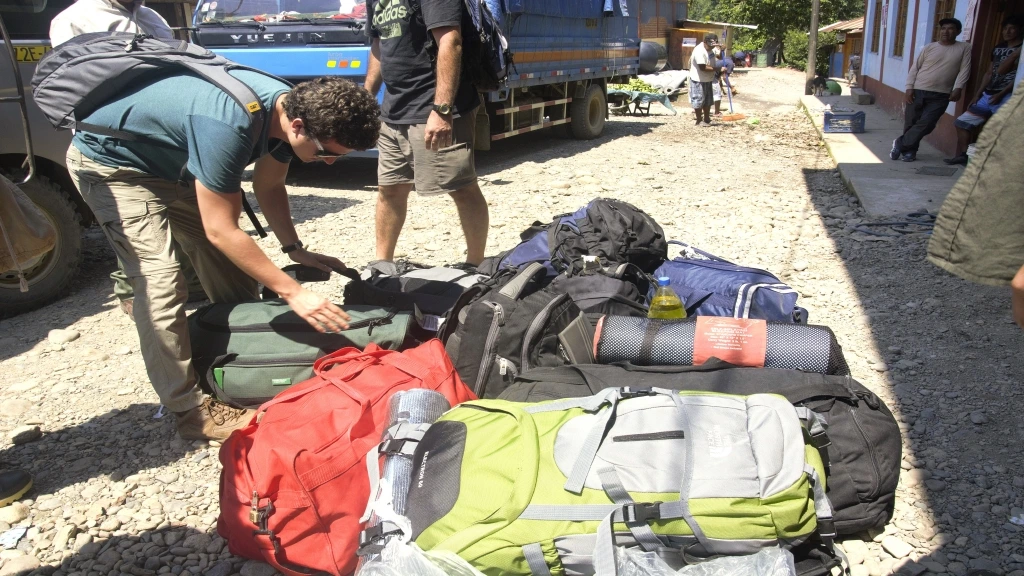
Expectations run high. Everyone longs to set off right now, this very moment, and finally leave behind the imagination of what awaits in the forest. What animals will I see? What will it feel like to fall asleep to the lullaby of the jungle? How will it be to walk along a trail that winds its way between towering trees? To sail down the arm of a river, or glide across the still waters of a lake where otters — and even caimans — dwell?
But Manu is so much more than that. It is breathtaking scenery. It is fresh, pure air. It is peace and quiet. It is a deep connection with nature. It is the chance to step away from the noise of the cities. It is the escape from the technology that sometimes enslaves us.
That is what I discovered in the heart of a national park and a biosphere reserve. And that is what I’ll share with you in the second part of this tale. See you in the forest.
September 20, 2025