


Peru: The country of the Apus (Sacred mountains)
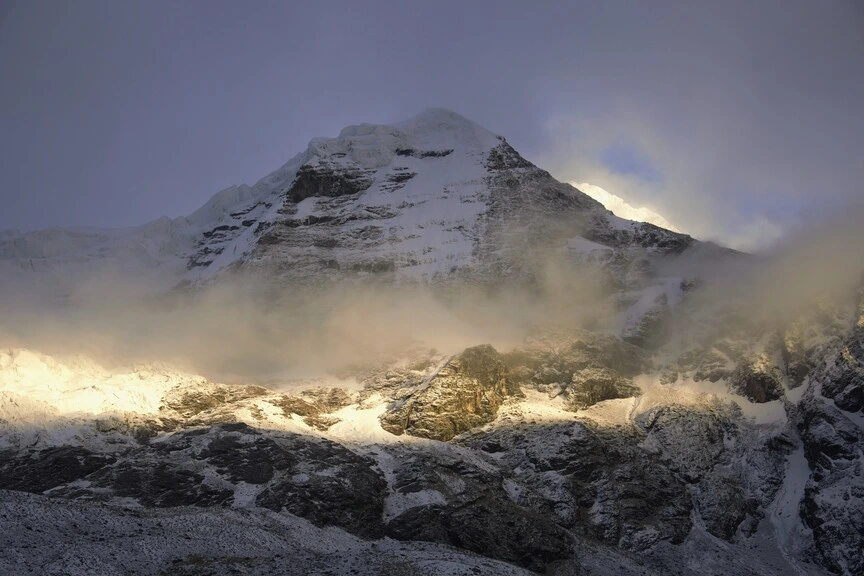
“I am far too powerful to halt my steps. I do not pay tribute —tribute is paid to me,” declared the “Son of the Sun” arrogantly, to the shock and dismay of his imperial retinue. The words, advice, and warnings of the Willaq Umu were of no use. The Inca high priest knew that the Apus —the sacred mountain spirits— neither forgive nor forget. They are resentful, and sooner or later they would punish the Cusco sovereign’s arrogance.
Ignoring the priest’s counsel, the Sapan Inca —the Great Inca, the One and Only— ordered the march to continue along the stretch of the Qhapaq Ñan leading to Huánuco Pampa, the capital of Chinchaysuyo. He was in such a hurry that he considered it unnecessary, even a waste of time, to offer coca leaves or perhaps sacrifice a llama in reverence to the mountains.
“That was his mistake. A huge mistake. One we are not going to make,” warned our guide as we walked along the pre-Hispanic path where —according to the local legend he revealed to us— the Sapan Inca eventually begged forgiveness for his arrogance and lack of respect towards the mighty guardians and protectors of the Andean lands. The Willaq Umu had been right all along: the Apus neither forgive nor forget.
The conceited “Son of the Sun” realised it when the horizon grew heavy with clouds and the wind unleashed a hurricane’s fury. Then came the rain and the hail —thick, unrelenting hail that struck, that hurt, that left marks on the skin. In despair, the high priest pleaded for mercy and urged his leader to change his mind. He succeeded. Frightened, humiliated, even tearful, the ruler agreed to pay tribute to the mountains.
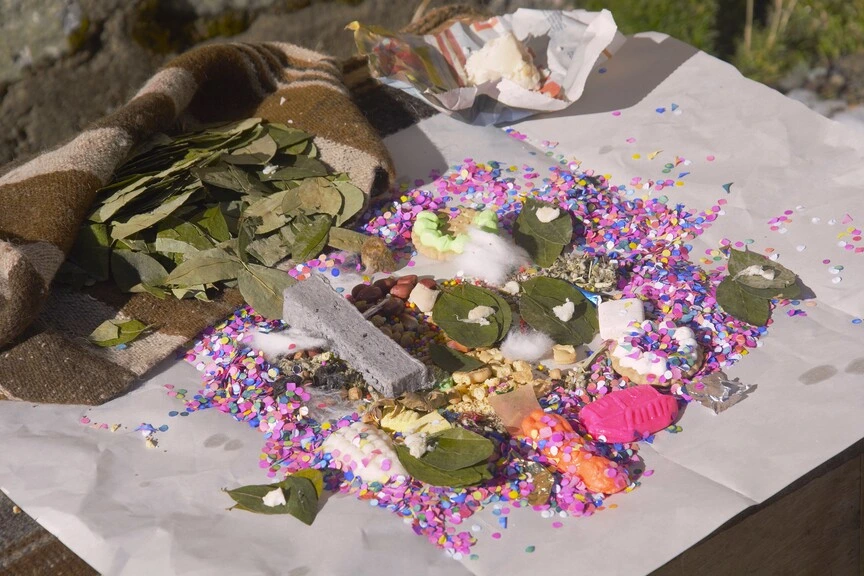
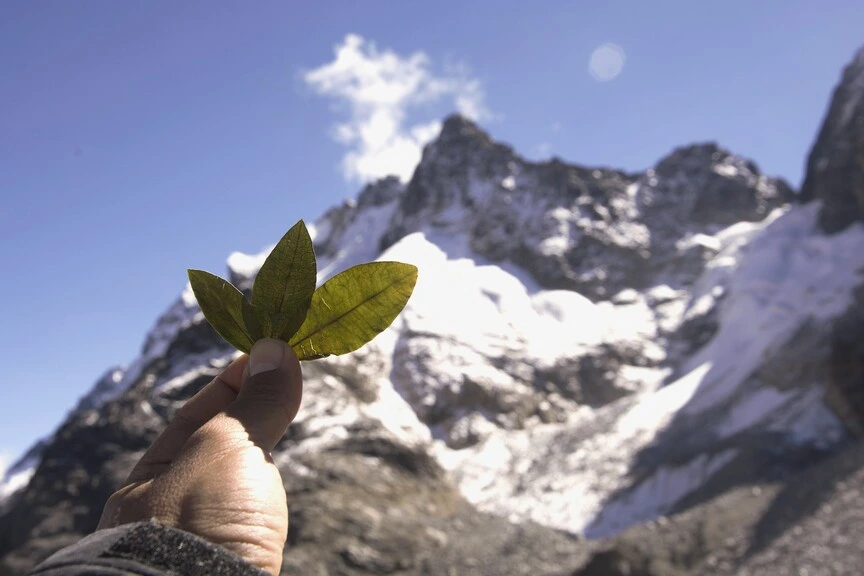
That is what I was told. That is the story I heard many years ago, before pausing on the Inka Nani —as the route to Huánuco Pampa is known— to ask the mountain peaks for permission and protection. Together we offered coca leaves, smoked a little cigarette, and left handfuls of sweets. We also raised a toast in their honour. No punishments came. The ritual had worked.
Who are the Apus?
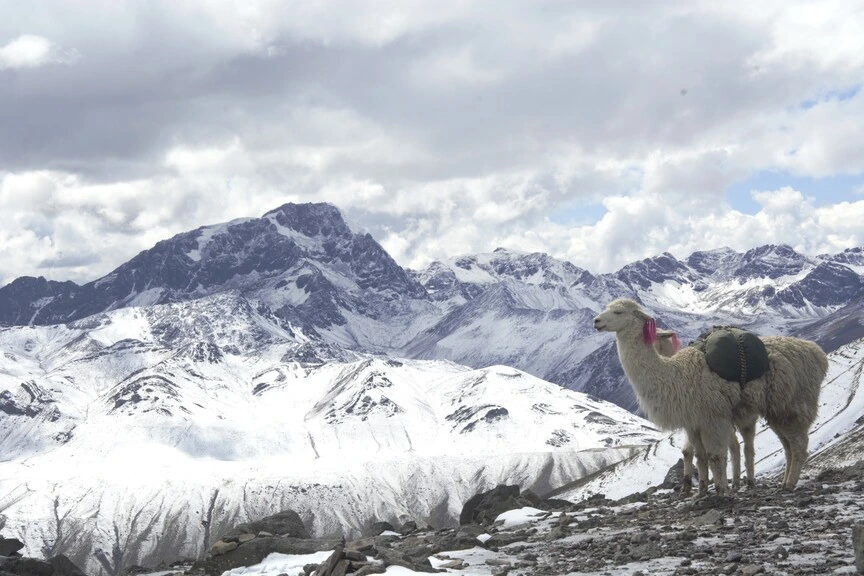
Apu is a word you’ll come across as soon as you start searching for information about Peru —including in the texts of this and other blogs. Once you arrive in our land, you’ll hear it again and again during your explorations of the Andean geography. And finally, you’ll see them on the horizon of valleys and plains. Then you’ll understand why they inspire fascination and respect, as they have since ancient times.
But what exactly are the Apus? Are all mountains Apus, or only some of them? And why do walkers carry out rituals in their honour? These are the questions we’ll try to answer here, so that the word makes more sense to you —and so that, once you’re here, you can look upon the guardians of the highland peoples with different eyes: eyes of understanding and respect.
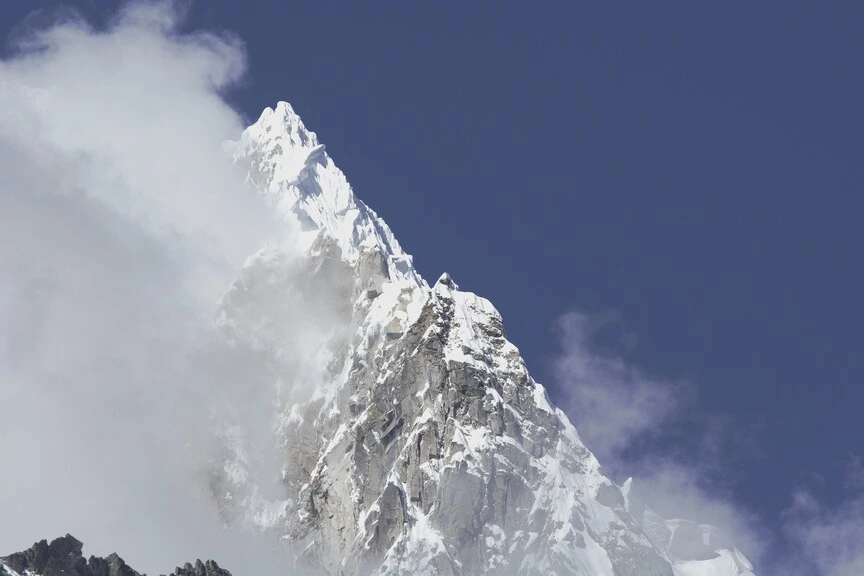
In simple terms, Apus (meaning lord in Quechua) are mountains inhabited by a protective spirit. They watch over and safeguard a certain territory or community, and are respected and revered by the people of the surrounding villages. For this reason, towns or provinces each have their own Apu, although some are considered to hold greater importance than others.
Such is the case of the Apus Ausangate, Salkantay, and Machu Picchu in Cusco; Pariacaca in the highlands of Lima; Huascarán —the highest mountain in Peru— in Áncash; the volcanoes Misti, Coropuna, and Ampato in Arequipa; and Huaytapallana in Junín, among others. It is also said that these divinities behave in different ways. “Each has its own character and personality,” a villager once told me, adding that there are deep rivalries between them.
But there are more details. The snow-capped Apus are revered because their melting ice gives rise to lakes and rivers. These waters bring life to the valleys. At the same time, their altitude makes them places of closeness and connection with the Sun. It is also believed that they protect the roads, and that travellers, to avoid trouble, must pay them tribute when entering their domains.
The anger of Pariacaca
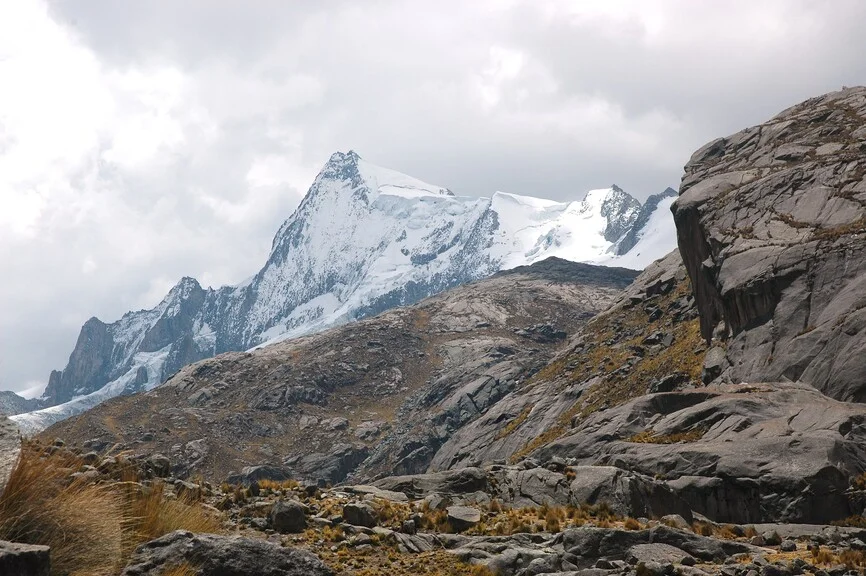
All Apus are mountains (snow peaks or volcanoes), but not all mountains are Apus. Only those summits wrapped in legend and regarded as givers of life hold that status. Such is the case of Pariacaca, a snow-capped peak rising to 5,750 metres, located in the Nor Yauyos Cochas Landscape Reserve, across the regions of Lima Provinces and Junín.
In the 16th century, the Manuscript of Huarochirí was written in Quechua. In that text, it is told that Pariacaca was born from an egg on Condorcoto hill. Considered both protector and creator of the Andean world, he would face Huallallo Carhuincho, the god of fire of the Wankas. The battle was so fierce that the god Huiracocha —the supreme deity of the Andean worldview— punished him by turning him into a snow-capped mountain.
The echoes of that confrontation can still be heard in the highlands of Lima and Junín. The rivalry lives on. I know this from personal experience. Years ago, I was in Nor Yauyos Cochas, and my wanderings took me to the slopes of the Apu. Respectful of tradition, I offered my coca leaves so that no mishaps would occur. It was of no use. The snowfall and hail almost froze me.
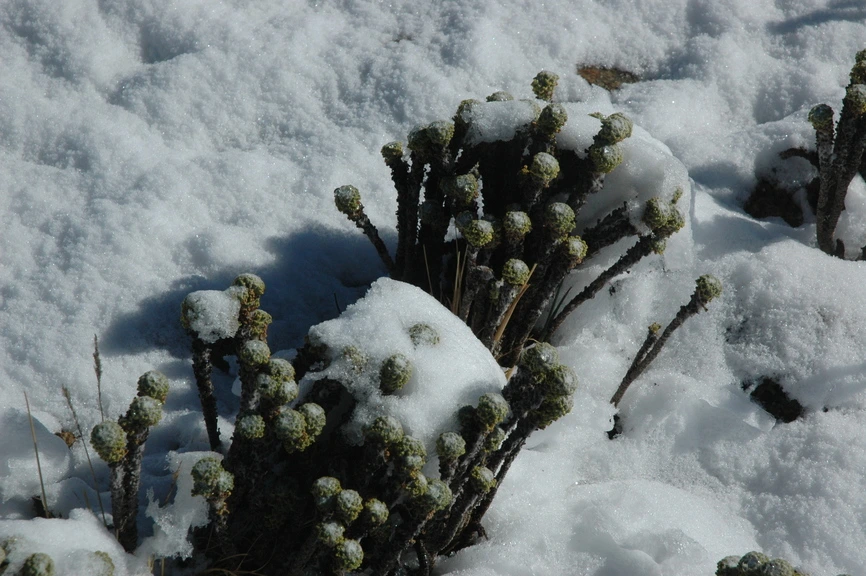
It was not the season of frosts, yet I will never forget the cold of that afternoon. What really happened? The rational explanation says that weather in the Andes is unpredictable; but as I was being “pelted” by hail, my mind turned to other reasons. Pariacaca had not accepted my offerings because before —long before setting foot in his domains— my restless wanderings had taken me to Huaytapallana.
Back to the myth, the legend, the ancient feud. Huaytapallana, daughter of Huallallo Carhuincho, fell in love with Amaru, son of Pariacaca. It was a forbidden love. An impossible love. A love that ended in tragedy. Both died at the hands of their own fathers. Perhaps it was because of this conflict that the Apu “threw a tantrum” and unleashed that colossal hailstorm. What do you think?
The Apus of Cusco
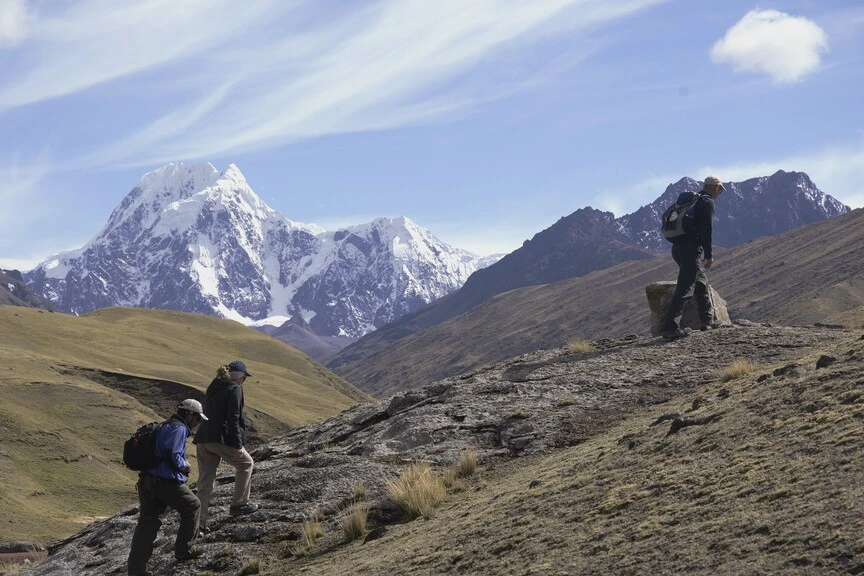
No rains, no hailstorms when I was at Ausangate and Salkantay. Perhaps it is because there are no grudges or ancient rivalries between them. Quite the opposite —the relationship between Cusco’s principal Apus is cordial. They are like estranged brothers walking different paths, yet sharing the same purpose: to peacefully watch over the safety and wellbeing of the communities under their protection.
So don’t worry. In the Cusqueñan mountains you will suffer no reprisals. Neither the Creator of the Waters (Ausangate in English) nor the Wild or Untameable Mountain (Salkantay in Spanish) behave like Pariacaca. They will not take offence if you visit their “little brother” first. Set off calmly towards these highland landscapes that will captivate you with their imposing beauty, cultural significance and mythical aura.
Among the Cusco Apus you will spend one or several days walking through Andean vegetation, as you climb up to mountain passes (abras) and draw near to splendid high-altitude lakes. If you are an adventurer, you can camp or sleep in rustic shelters —but before dreaming of what the following days will bring, let yourself be bewitched by the constellations twinkling across the highland sky.
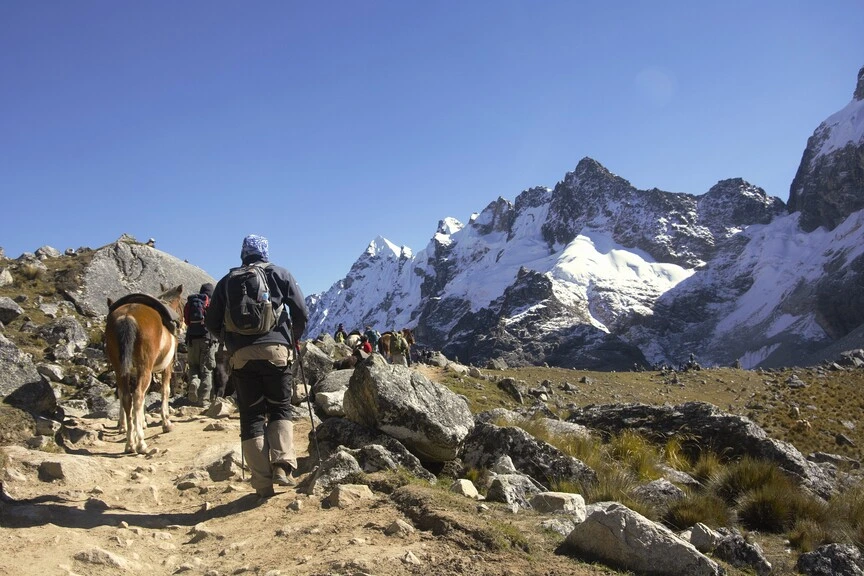
Extraordinary days and nights at Ausangate (6,384 m), where every year the Señor de Qoyllur Rit’i is celebrated —the greatest syncretic religious pilgrimage of the Andean world; and along the challenging trails of Salkantay (6,271 m), one of Cusco’s most attractive trekking routes which, step by step, metre by metre, leads you closer to Machu Picchu, the marvellous legacy of the Incas.
The mountains await you. Approach them with respect, as the local communities have always done. Once in their domains, take the time to offer coca leaves, toast with chicha, or light an unfiltered cigarette. It is custom, and an essential part of your hosts’ worldview. If you ever have doubts, just remember what happened to the very “Son of the Sun” when he refused to let his retinue stop before the Apus of Chinchaysuyo.
September 23, 2025