


Maras Salt Mines: A Legendary Destination
He began to cry — with despair and helplessness, he burst into tears. He had never expected such betrayal from those who claimed to love him. How could he have imagined that his promising and glorious destiny would be cut short by the fear of his own brothers? It was they who chose to imprison him in that dark cave, where he would await death with no hope of ever reaching the longed-for eternity.
To think that at the beginning of his journey he had been so sure he would be remembered as one of the mythical founders of a city, of a civilisation, of a vast empire. But now, he weeps in fury upon realising that his prodigious strength is useless to set him free. Then he wonders if, in the centuries to come, anyone will remember his name, his life, and the disgrace of which he was a victim.
Desolate, he tries to convince himself that his splendid father will help him escape his confinement. If that were to happen, he would return victorious to the mountain paths to create more valleys and ravines. It was all so simple — all he had to do was throw a stone. Terrified by his power to shape the land itself, his brothers decided to get rid of him.
It isn’t fair. They will carry out your command while I remain trapped here, he said between sobs, hoping his father would listen. He was wrong. His words were ignored. Perhaps his true fate was imprisonment, and the promise of founding an empire was nothing but a cruel deception. Or maybe it was his tears that sealed his doom — for the founder of a civilisation was not meant to break so easily.
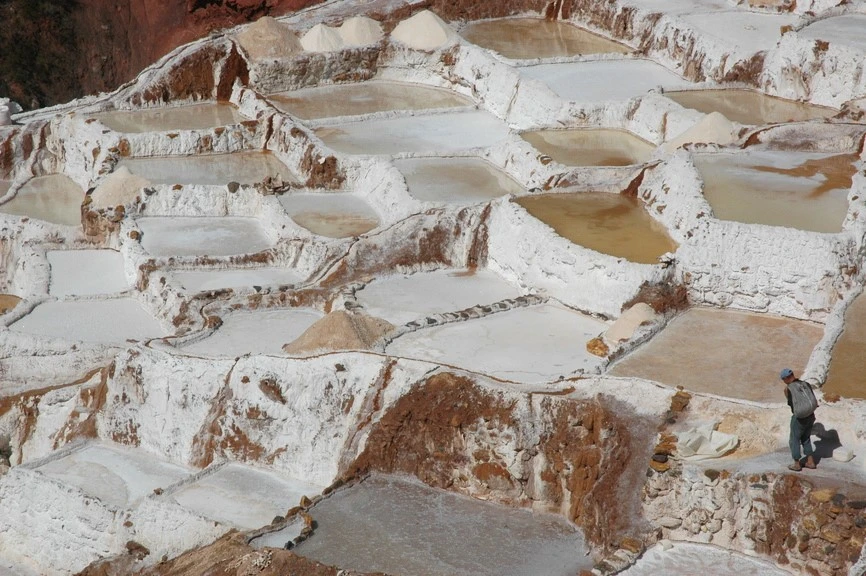
I’m sorry, I don’t have the answer, and I don’t know where to find it. I am not Ayar Cachi, the Son of the Sun, who was locked away in a cave by his own brothers. In that moment of betrayal, no one could have imagined that his tears — filled with despair, helplessness, and burning rage — would give birth to thousands of saltwater pools at the foot of Mount Qaqa Wiñay, the “eternal rock”, or as it is known in English, “the stone that grows”.
The Legend of the Ayar Brothers
Salt with a Taste of Legend in Maras, a place steeped in myth and history, said to have been born from the tears of Ayar Cachi, the son of the Sun. Together with his three brothers, their wives, and ten families, Ayar Cachi emerged from Mount Tamputoco, also known as the Cave of Pacaritambo (“the place of dawn” in Spanish), with a divine mission — to find a fertile valley where they could settle.
There, they were to lay the foundations of a city, a civilisation, an empire. That was the command they received from Inti, their father, the Sun, after a great and devastating flood. Yet their destiny was uncertain, and questions filled their minds. Which direction should they take? How long would their journey last? And where would the golden staff, given to Ayar Manco, their leader, finally sink into the earth as a sign of their promised land?
Their pilgrimage was marked by fear, suspicion, and tragedy. Everything began to spiral out of control when Ayar Manco, Ayar Cucho, and Ayar Auca conspired against their elder brother, Ayar Cachi — whose name means “brother or ancestor of salt” in English. They feared his strength and power. They asked him to enter a cave to retrieve sacred objects. He trusted them. He shouldn’t have. It was all a cruel deception.
What happened next — the confinement, the despair, the fury, and the tears — I’ve already recreated with a bit of creative licence at the beginning of this text. What I didn’t tell you, and perhaps you didn’t know, is that Ayar Uchu (“the chilli brother”) was turned into stone on Mount Huanacauri. A similar fate befell Ayar Auca (“the brother who flew”), except that he grew wings and soared towards the Sun.
The one who remained on Earth was Ayar Manco (“the brother or ancestor of quinoa”). He would go on to found Cusco, becoming the first Inca. He taught men how to farm, build, and organise their communities, while his companion Mama Ocllo instructed women in the art of weaving and household tasks. That’s how the legend goes — the one I learned at school, and the one that came back to me as I stood before the salt mines of Maras.
In Search of Salt
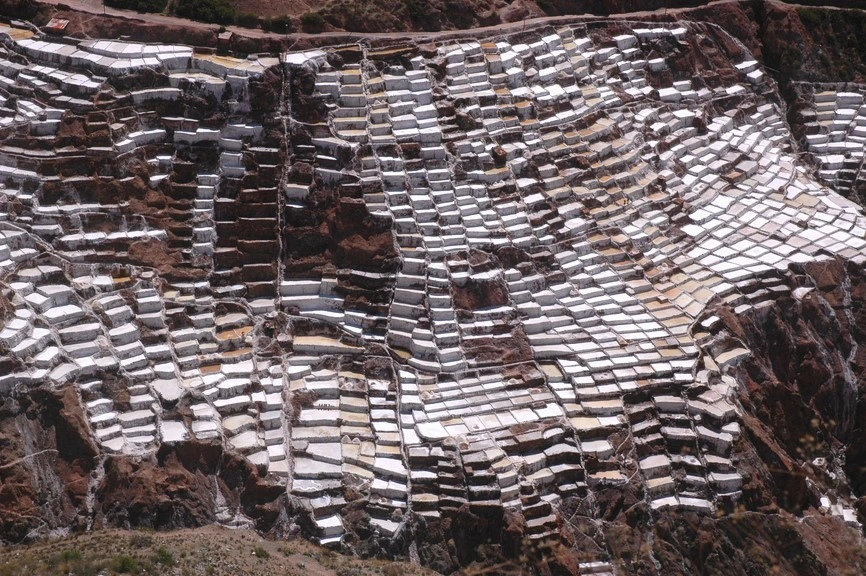
From legend to reality. From mythical origins to scientific truth. I’ll set aside, for a moment, the tears and anguish of Ayar Cachi, and focus instead on the factual details — while still hoping to inspire you to visit the Maras salt mines, one of the most fascinating attractions in the Sacred Valley of the Incas, on your next trip to Cusco.
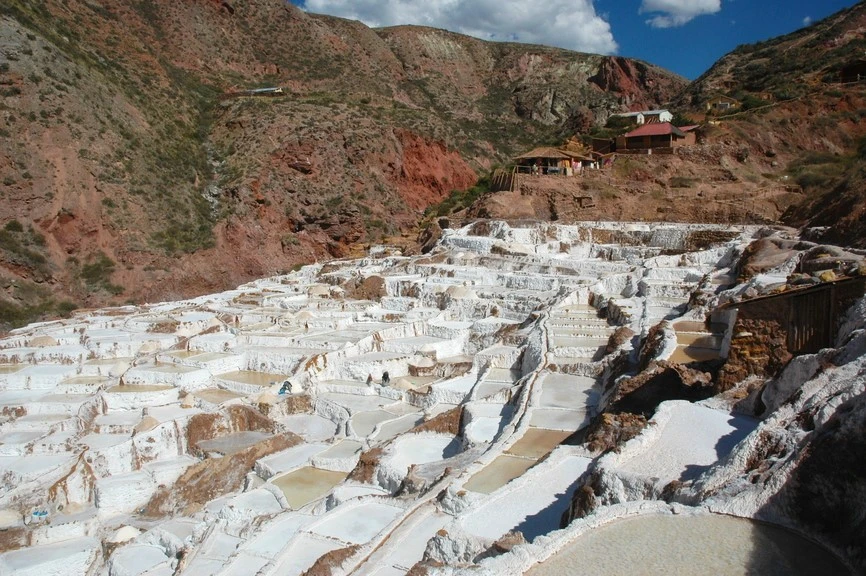
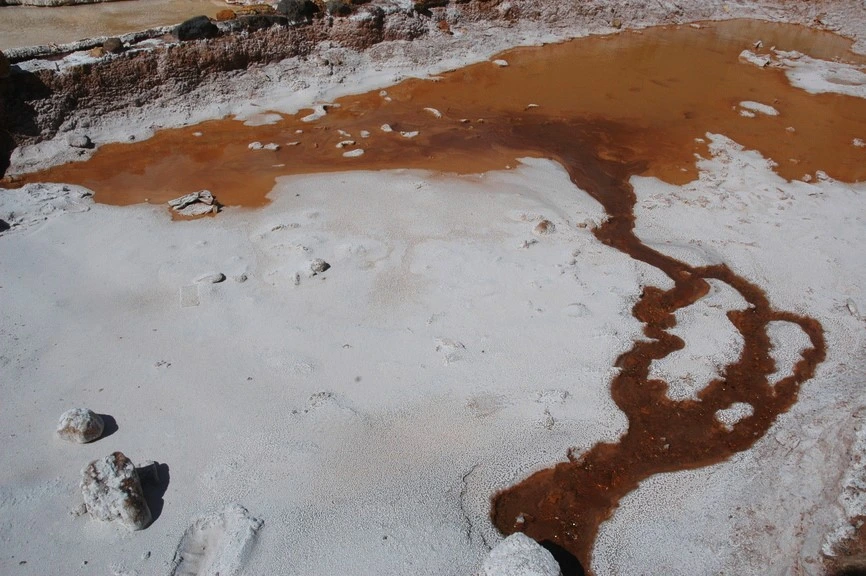
It’s not a difficult journey — and you certainly won’t need to lock yourself in a cave to admire these salt mines, which were formed by “an ocean trapped within the mountains thousands of years ago. Through a spring emerging from the heart of the mountain, the water flows into the 4,200 ponds that the families of the Maras community work and harvest using ancient techniques.”
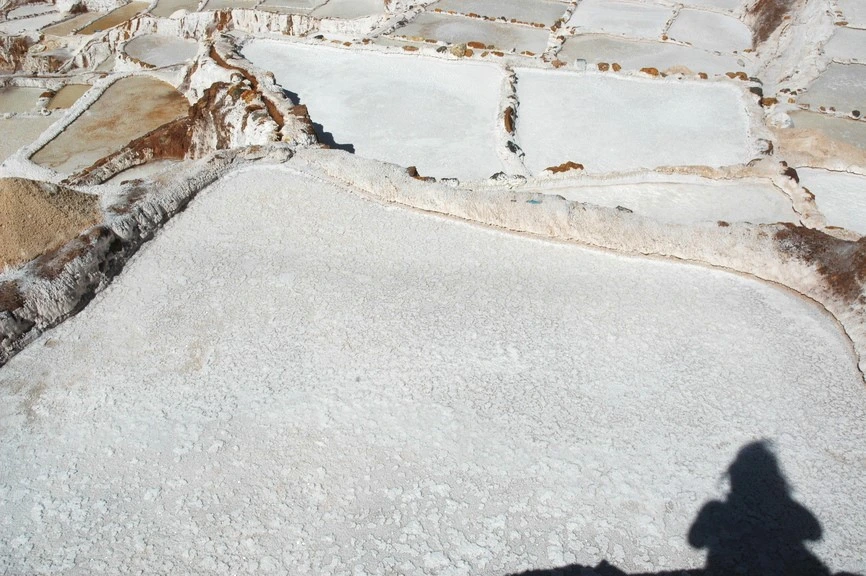
This “technique — as explained on the Maras Gourmet website — has been passed down from generation to generation.” Even today, just as in pre-Hispanic times, the salt is produced through a manual and artisanal process. The first step is to fill the ponds with the saline water. Then, the Sun — father of the Ayar brothers, father of the Incas — takes charge, evaporating the water with his rays and leaving behind the precious white crystals.
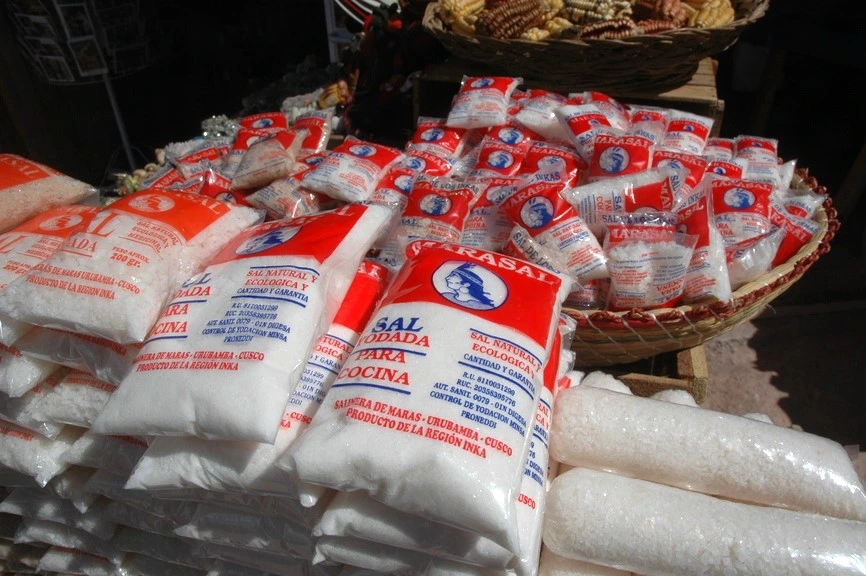
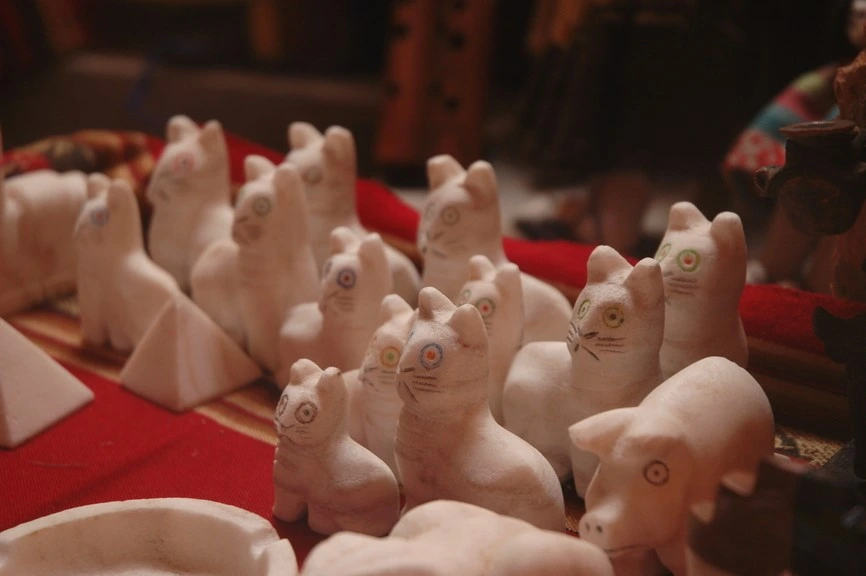
What remains is a 100% natural and highly beneficial salt — Salt of the Andes, salt from the highlands (3,300 m a.s.l.), known for its soft pink hue and delicate flavour. Excellent for cooking, it’s also used in aromatherapy sessions and in the production of industrial goods. But that’s not all — the creativity of the local community transforms it into a variety of beautiful handmade crafts.
Yet no dish is as exquisite, and no craft as perfect, as the landscape of the salt terraces themselves. You’ll see it when you gaze at the horizon, the surrounding mountains, and the countless small ponds “sculpted” into the mountainside. There are hundreds — some filled with shimmering water, others already dry. The salt glistens under the sunlight as the locals “harvest” it with a shovel and a sack, creating a mesmerising scene that feels both timeless and alive.
The Road to the Salt Mines
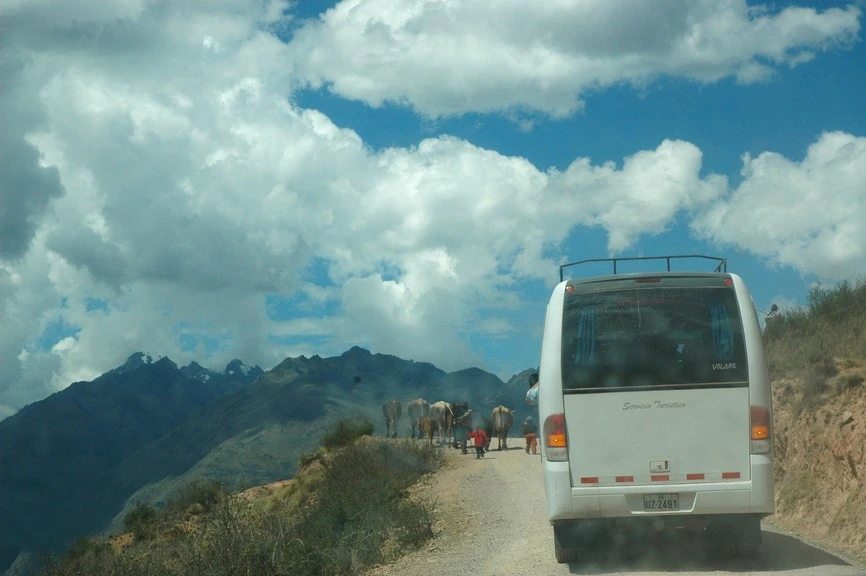
The eternal tears of Ayar Cachi are today a source of income for the communities of Maras and Pichingo. They extract and sell the mineral from the pools, continuing the tradition of their ancestors. In pre-Hispanic times, salt was a highly valued ingredient in cooking and food preservation, and great caravans once crossed the Andes in search of this “white gold.”
Times have changed. Today, no longer do llama caravans arrive — instead, it’s tourists on bicycles, pedalling their way to Maras in an exhilarating adventure that begins in the town of Chinchero (28 km from Cusco). The route takes around three hours, and local operators organise specialised cycling tours. Hop on one!
If you’re looking for a less demanding option, you can book a traditional tour from Cusco (3,400 m a.s.l.). Another alternative is to hire a taxi or take public transport. The journey is relatively short (about 50 km), and if you go with a travel agency or private vehicle, they’ll drop you off and wait for you at the entrance to the site.
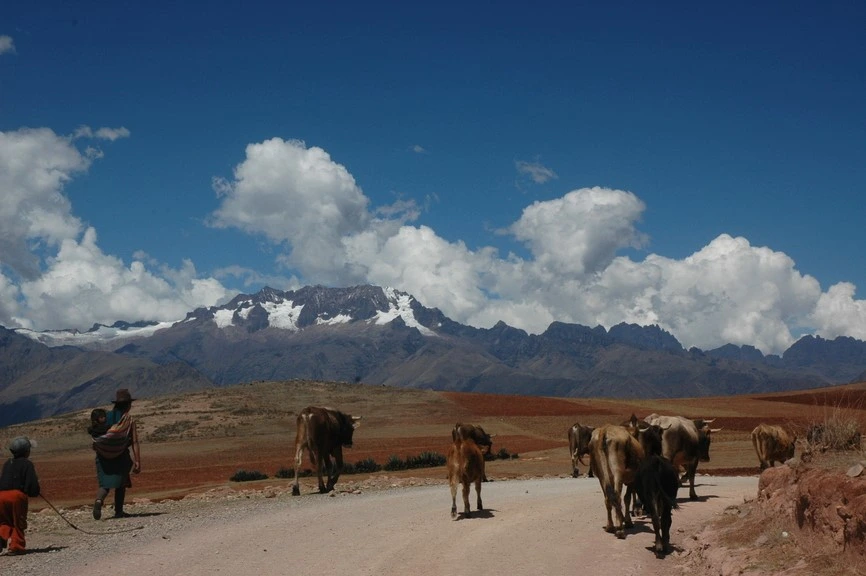
If you choose to travel by public transport, take a bus to Urubamba (via Chinchero). When you get on, tell the driver or ticket collector that you’ll be getting off at the turn-off to the salt mines. From there, you’ll find taxis and shared cars that can take you to the town of Maras, the archaeological site of Moray, or the stunning salt terraces. If you’re feeling energetic, you can even walk the final stretch and enjoy the scenery along the way.
Once you arrive, you’ll need to pay an entrance fee of 20 soles (foreign visitors) or 15 soles (Peruvian visitors). A few years ago, visitors were allowed to walk among the pools, but now there are viewpoints that offer spectacular panoramic views of one of Cusco’s most captivating attractions — a place said to have been formed from the tears of the “salt brother.” Sorry, but I just can’t forget the legend I learned back in school.
October 10, 2025