


Cusco: The whims of the Málaga Pass
“You’re going to cross the Málaga Pass!” he told me, in a tone that mixed admiration with a clear note of warning. What struck me at the time was that this seasoned explorer focused on the geographical point that marks the end of the Andes and the beginning of the Amazon, rather than describing the attractions of the warm, forested Cusco province of La Convención.
Perhaps it’s because Peru is a land of famous — and fearsome — mountain passes, like the well-known Ticlio or Anticona, the highest point (4,843 metres above sea level) on the road and railway linking Lima with the central highlands and jungle. In this natural setting, some 60 km east of the capital (Chicla district, Huarochirí province), many travellers experience dizziness, nausea, general discomfort and shortness of breath when breathing.
These are some of the symptoms of a mild and temporary condition known scientifically as Acute Mountain Sickness, but better known in Peru as soroche or altitude sickness. No one is completely immune to it — it can affect anyone who ascends too quickly, without proper acclimatisation, to towns and cities located thousands of metres above sea level.
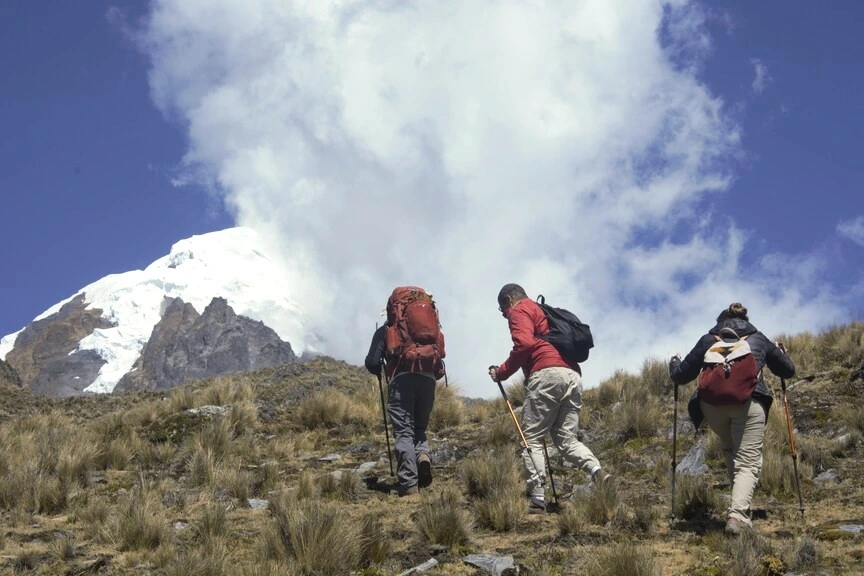
But that remark, halfway between admiration and warning, had nothing to do with altitude sickness. My companion knew I’d crossed many Peruvian — and Cusco — mountain passes by bus and on foot. Salkantay (4,650 metres above sea level on the trek of the same name), Palomani (5,200 metres on the Ausangate route) and Warmiwañusca (4,200 metres on the Inca Trail to Machu Picchu) are all “badges of honour” on my traveller’s résumé.
So what was he referring to? What lay behind his comment about that pass located 130 kilometres from Cusco and just 44 from Ollantaytambo, the historic and tourist “Living Inca City” of the Sacred Valley? Curiosity got the better of me and I asked him — but I didn’t get the answer I was looking for. He simply smiled and, after a long pause, threw out an enigmatic line: “You’ll find out.”
A night at the pass
And realise it I did — very much so. So much so that, after what I went through, I’m now the one who says, with the same mix of admiration and warning, “You’re going to cross the Málaga Pass!” whenever I hear that a friend or acquaintance is heading that way. Want to know why? Then keep reading. I’m sure my experience on this mountain pass will surprise you.
It’s not a pleasant story, but since it had a positive ending, I’ll share it to show that journeys are never free from unexpected events. Sometimes, defying the seasons, a fierce and punishing snowfall can strike at high altitude. That’s exactly what happened when I was returning to Cusco after visiting Quillabamba, the capital of La Convención province.
“The Plain of the Moon” — that’s the meaning of its name in English— is a lush destination with natural attractions such as the Seven Tinajas Waterfall, as well as nearby archaeological sites like Huamanmarca and Ñusta Hispana. It’s also the starting point for the Pongo de Mainique, where the Urubamba River narrows into a dramatic gorge. Crossing it is a thrilling, adrenaline-filled challenge.
That’s another adventure altogether. Let’s go back to the snowfall — the one that blocked the road for hours, many hours, so many that I ended up spending an entire afternoon and a whole night inside the bus, with very few comforts, on my way back to the “Historical Capital of Peru”. And to think that everything had been going perfectly well until, in a desolate stretch of road, the driver switched off the engine.
A mechanical fault (and who would rescue us now?), the driver fancying a quick nap, or perhaps an emergency stop requested by one of the passengers (no one is immune to those situations)? That’s what I wrongly assumed. Minutes flew by and the journey didn’t resume. Worried, I remembered the enigmatic “you’ll find out” that had followed the initial warning: “you’re going to cross the Málaga Pass”.
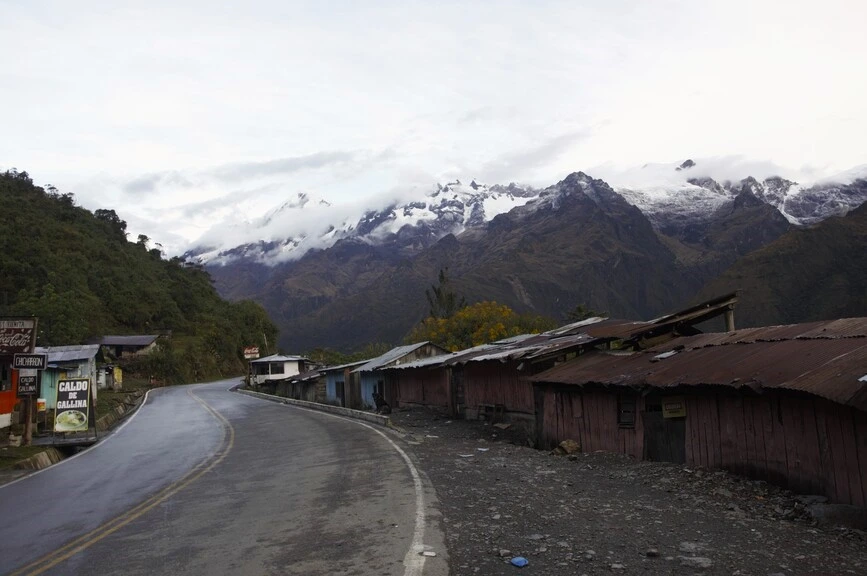
And, well, that very idea of “crossing” turned out to be the problem. We couldn’t. Snow, ice and bad weather made it impossible to continue along the winding, asphalted road that skirts Málaga — a mountain pass at 4,316 metres above sea level, famous for its whims. There are countless stories of passengers stranded by sudden snowfall and other causes. Mine is just one more among them.
Walking in the snow
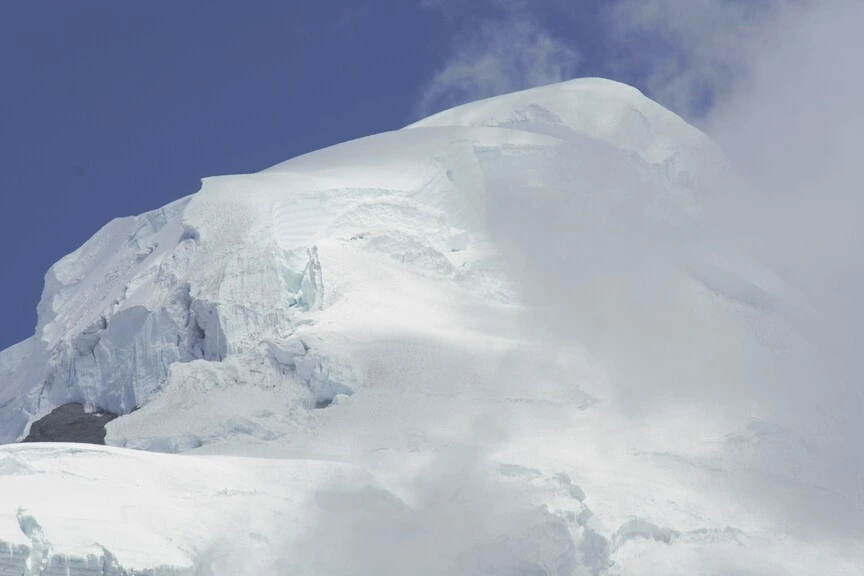
A story with a happy ending — but one marked by real hunger (no lunch, no dinner, just a life-saving bottle of water) and bitter cold during the night when my bus didn’t move a single centimetre. I wasn’t alone. A long line of “sleeping” vehicles waited for the miraculous arrival of machinery to clear the road. It never came. The situation was critical and distressing. I had to act. And I did.
I grabbed my belongings, got off the bus and set off towards Ollantaytambo along the frozen tarmac. I knew my steps wouldn’t take me all the way there, but at least they might help me escape the pass. And so I walked on, despite being weak from lack of food and poor sleep, despite the icy slush seeping through the seams of my waterproof, and despite the punishing wind lashing my cheeks.
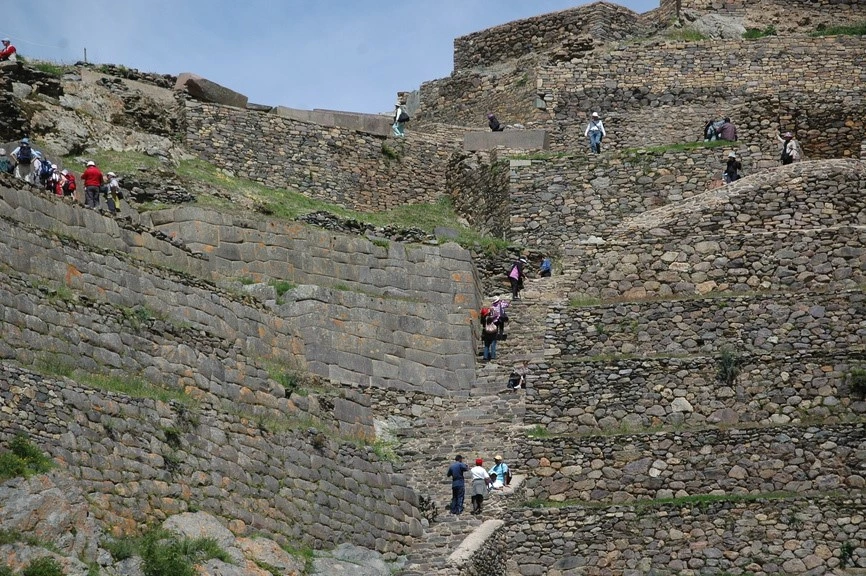
My persistence paid off. After a long stretch weaving past lorries, buses and cars, I noticed a pick-up truck pulling out of the line of stranded vehicles and heading back towards Ollantaytambo. I ran. I shouted. I waved my arms. The driver stopped. He rescued me. Riding in the open bed, I made my way down to the “Living Inca City”. A steaming bowl of caldo de gallina finally buried my hunger.
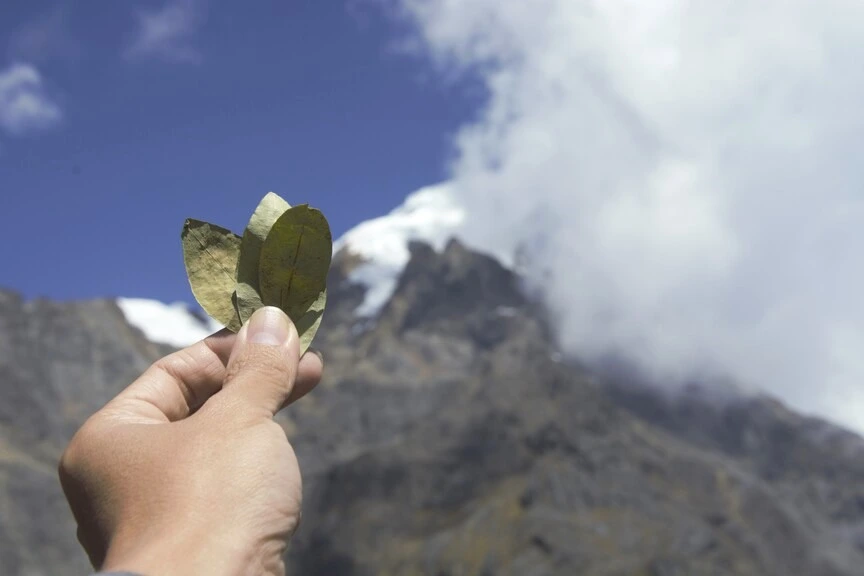
Back in Cusco, safe in the comfort of a hotel, I made myself a promise: I would return. I wanted my rematch, on a calm, clear day, because — as I would discover years later when I kept my word — “you’re going to cross the Málaga Pass” has another meaning. One linked to quietly contemplating its landscapes and to seeking out the plant and animal species that inhabit this mountain pass.
The return to the pass
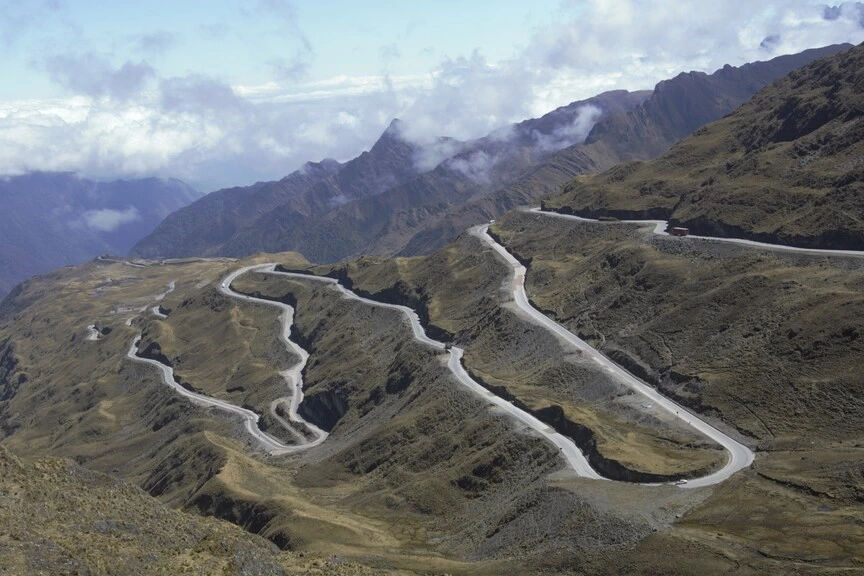
I went back twice, and each time everything was different. The pass treated me kindly. You could say we made peace, and that day of snow, cold and hunger turned into nothing more than an anecdote — and a lesson. Mountain passes are geographical zones with unstable and often harsh weather. You should never take them lightly. Always carry warm clothing and something to eat when heading towards them.
It doesn’t matter if you’re only going to see them through the window of a bus. A prepared traveller enjoys the route far more, along with the sweeping views offered by places like Málaga, on the boundary between the provinces of Urubamba and La Convención. As you cross it, the landscape begins to change dramatically. That’s how complex and ever-changing Cusco — and Peru — really is.
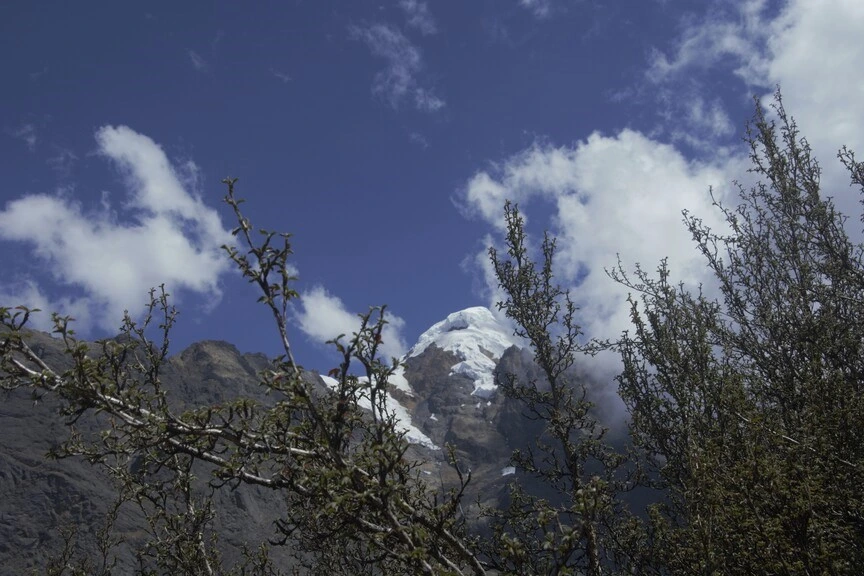
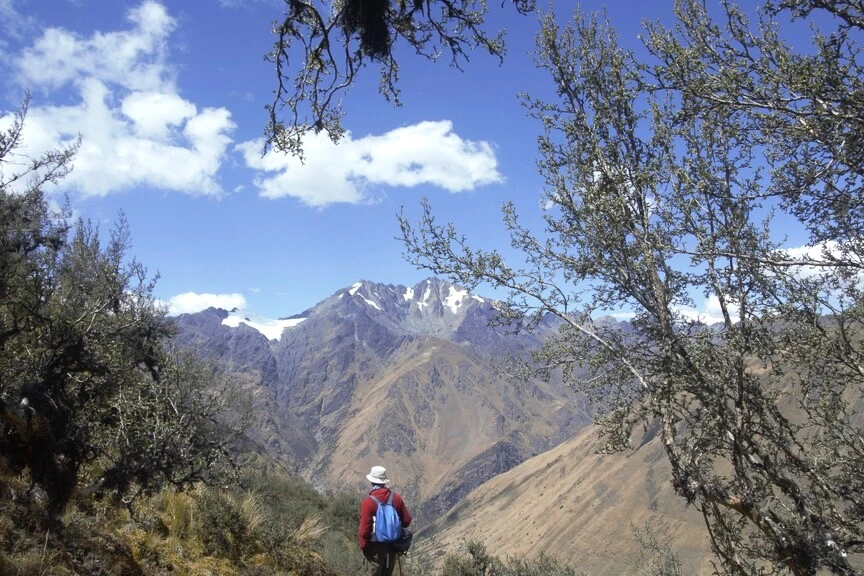
On my return visits, I was able to walk and explore its winding terrain. During my wanderings, I discovered forests of queuña (Polylepis), an Andean tree that stoically withstands the rigours of the climate; I admired the grandeur of La Verónica, the highest peak in the Urubamba range (5,792 metres); and I went in search of the bird species that spark the curiosity of birdwatchers.
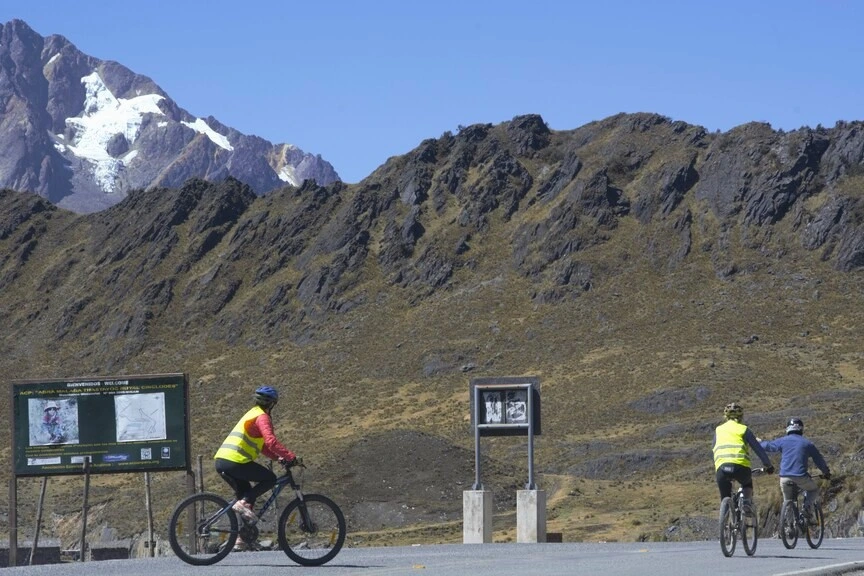
I’m not one of them, though I did try to spot the Andean cinclodes, the ash-breasted mountain finch, the sunbeam hummingbird, and the condors and hawks that inhabit this unique ecosystem, where more than 300 bird species have been recorded. No luck. Maybe next time — perhaps the time when I finally decide to cycle from the pass down to the beginnings of the La Convención rainforest.
So now you know: if you’re looking for a challenging and fascinating attraction in Cusco, cross the Málaga Pass by vehicle or on foot. The choice is yours. The good thing is that, whatever you decide, you’ll live a great experience — the kind that stays etched in a traveller’s memory and turns into a story told more than once, just as I’ve done here through these words.
January 9, 2026