


Cusco: A Word Search of Tourist Attractions
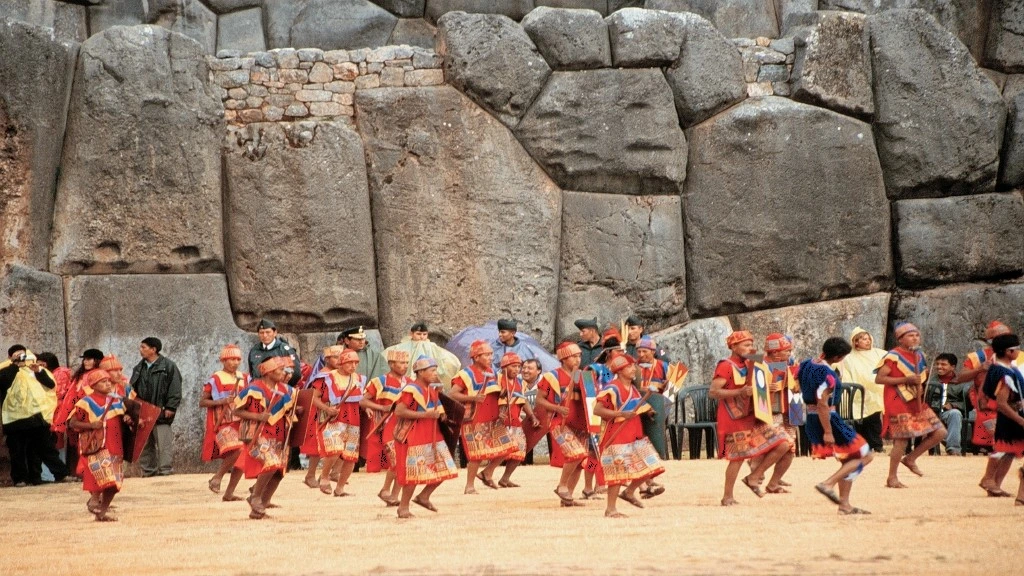
With Q and W, or with C and H… Should the final vowel have an accent? Is it with S or Z, or maybe with K or C? Both or neither? Should I toss a coin to decide how it’s written, or should I turn to the Internet to settle the doubt? It’s useless. The words appear written in various ways. I know, I’ll consult an official dictionary. No luck. It doesn’t exist. The language from which these names come didn’t have a known written form.
This is what happens, for example, with Saqsaywaman or Sacsayhuaman, although some write it as Sacsayhuamán, with the emphasis on the final syllable. That’s how confusing and changing it can be. This is the case with the name of this archaeological park. This happens with many places in Peru, whose names come from Quechua, Aymara, or other ancestral languages.
It also happens with the city of Cusco (Cuzco), with the temple of Qoricancha (Coricancha), with Hatun Rumiyoq street (Hatun Rumiyoc), where you’ll find the famous Piedra de los 12 ángulos (Stone of the 12 Angles), with the snow-capped peak Salkantay (Salcantay), and even with the llacta (llaqta or llajta) of Machu Picchu (Machupicchu), the world wonder, the country’s tourist icon, and the greatest architectural work of the Incas.
Yes, there are various ways to write and pronounce the attractions that will fascinate you during your holiday in Cusco or Cuzco, and even Qosqo. So, jot them down in your itinerary however you like. The important thing is that you come, visit them, explore them, and enjoy them with the best attitude and spirit. After all, one or two letters don’t change the amazing adventure you’ll have in the Cusco or Cuzco lands.
In the Streets of Cusco or Cuzco
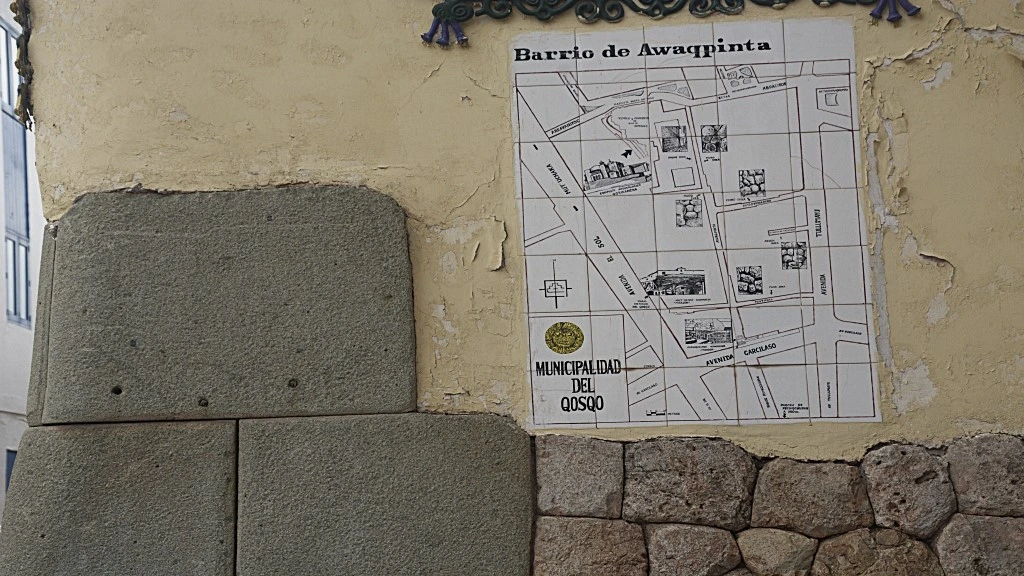
The name of the “navel of the world” will be written with both S and Z. Here, we don’t aim to reach a conclusion. We’ll just point out that both the Regional Government and the Provincial Municipality use Cusco in their official documents and on their online platforms. It’s important to note that the word has been castellanized, and that Quechua purists prefer the term Qosqo or Qusqu.
And if this happens with the city’s name, imagine what happens with the ancient names of the streets and Inca-era buildings. This is the case with Qoricancha or Coricancha (“Temple of Gold” in Spanish), the temple where the “Children of the Sun” honoured their father, and which would later become the Convent of Santo Domingo during the colonial era.
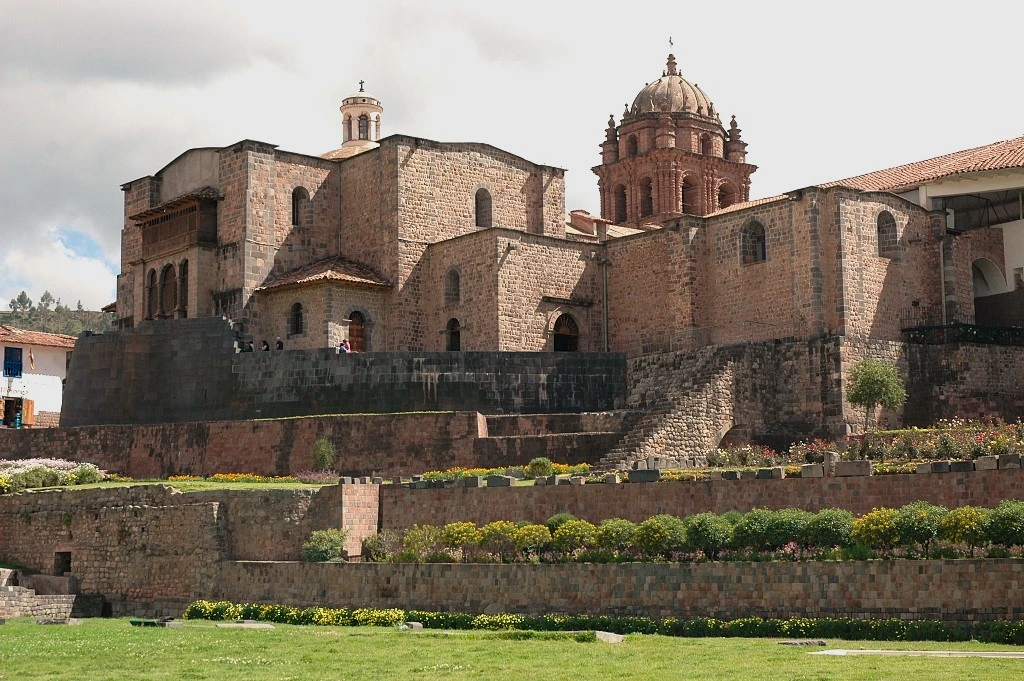
Impressive and striking, the temple is located on Avenida El Sol, just a few blocks from the main square. Its location was chosen by none other than Manco Capac, the legendary founder of the Inca Empire; however, it was Pachacutec who would bring the temple the shine and splendour that would awaken the greed of the Spanish conquerors or invaders. The reason? He ordered that its walls be covered with sheets of gold.
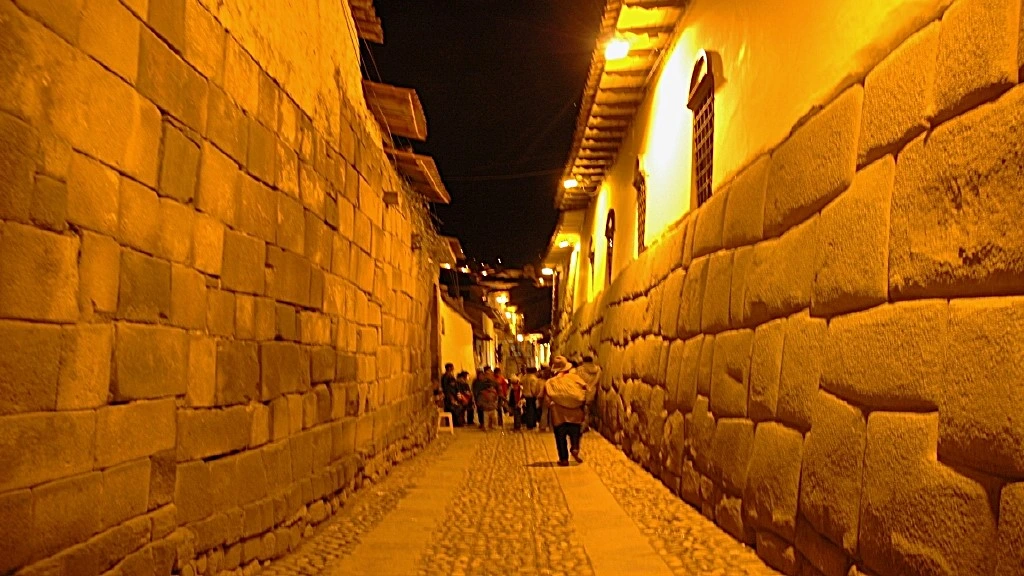
Where there’s no gold, but plenty of tourists eager to capture the perfect photo or video, is the Piedra de los 12 Ángulos (Stone of the 12 Angles) on Hatun Rumiyoq street (also spelled Hatun Rumiyoc). Declared a National Cultural Heritage site, this block of perfectly worked diorite, crafted by pre-Hispanic architects, was part of the outer wall of the palacio (palace) of Inca Roca.
Here, you won’t need to buy a ticket or present any tourist pass. This famous stone block —which fits perfectly into the wall thanks to its 12 angles— is visible to everyone who walks along the street of the “house with big stones” (that’s the meaning of Hatun Rumiyoc in Spanish). You just need to be patient and wait for the right moment to approach. And of course, don’t touch it or photograph it with a flash.
In Saqsaywaman or Sacsayhuamán
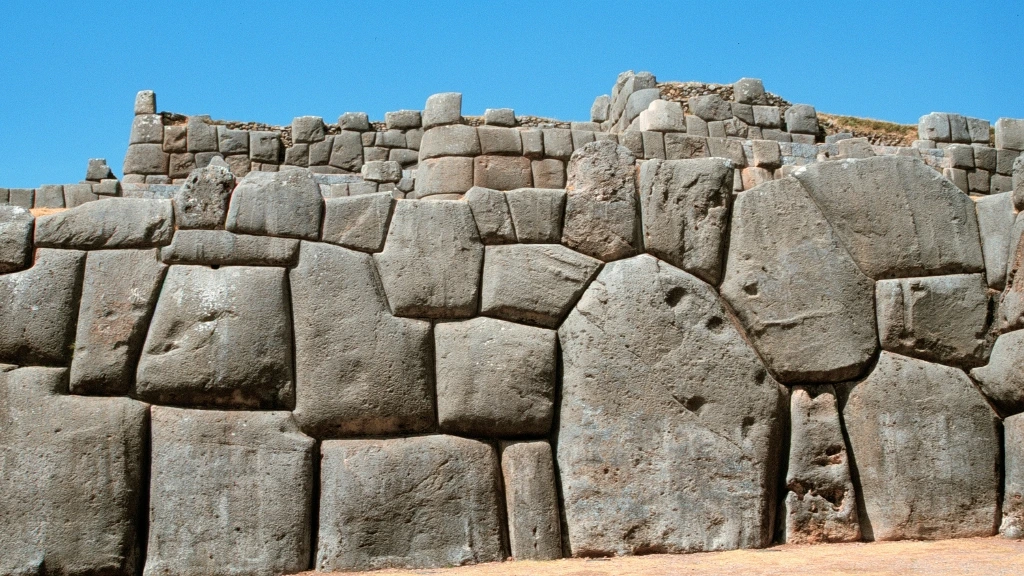
A Q, a W, and an H don’t change the fact that the Casa del Sol of the Hanan Cusco dynasty is one of the main attractions of Qosqo… excuse me, Cusco, or is it Cuzco?… anyway, the former Inca capital, to avoid confusion. Now, regarding this archaeological park of 2,997 hectares, the Dirección Desconcertada de Cultura (DDCc) uses the spelling Saqsaywaman.
This isn’t the case, however, on the Boleto Turístico del Cusco website, where it reads Saqsayhuaman. Nor is it on the many websites that use the word Sacsayhuaman, with or without an accent on the final “a”. In conclusion, where you’ll really need to place the emphasis is on your eagerness to reach the 96 sectors of the “Halcón Satisfecho” (which means “Satisfied Falcon” in Spanish) — whether walking, cycling, by public transport, or on a guided tour.
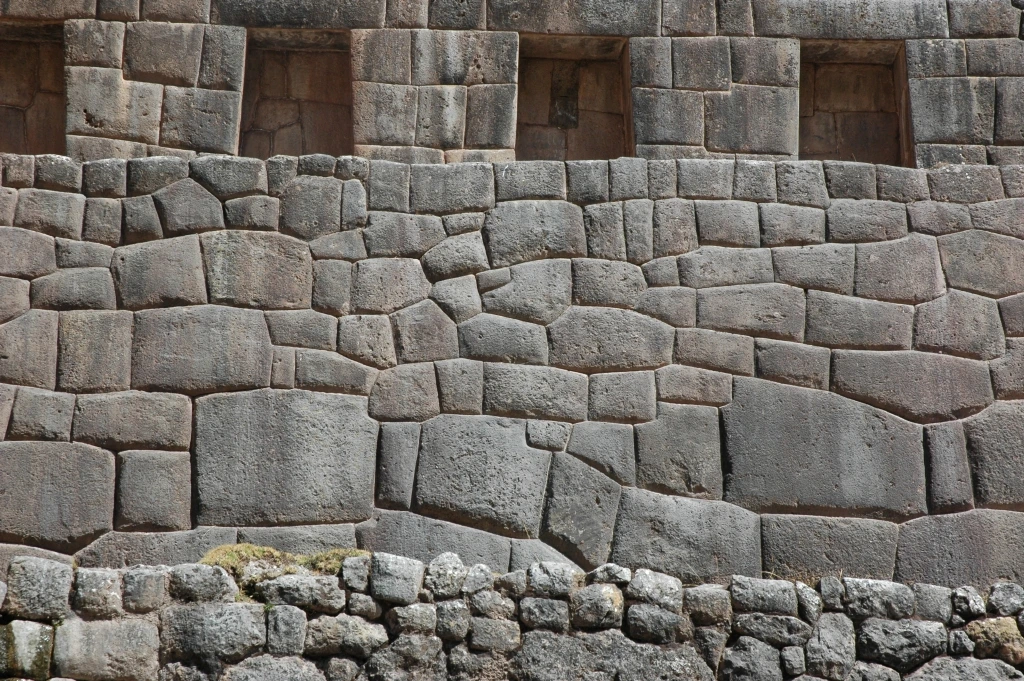
You get to decide how to arrive at what was once “the most important place after the llaqta of Qosqo,” as the DDCc website informs us. So, how could you not visit it? How could you not explore its various remains? How could you not marvel at the enormous walls of this fortress or sanctuary, which, when viewed from above, resembles the head of a puma?
Come on, you have to go. From the Plaza de Armas (3,400 m a.s.l.) to Saqsaywaman (3,700 m a.s.l.), passing by the viewpoint of the Cristo Blanco, the image that protects the city. The journey is short (2.5 km), but the panoramic views of Qosqo and the Andean geography will stay with you forever. The same will happen when you visit the monumental area and the sectors of Q’enqo, Tambomachay, and Kallachaca, among others.
So much to see and learn. The zigzag stone walls of the Baluartes (bastions), the Muyuqmarca or Muyucmarca tower (“Round Place” in Spanish), which was the site of resistance for the rebel Cahuide, the “sliding slopes” of the Rodadero, a grand stone block where the ancients carved benches, altars, and steps, and the underground limestone labyrinths known as Chinkana.
On the Apu Salcantay or Salkantay
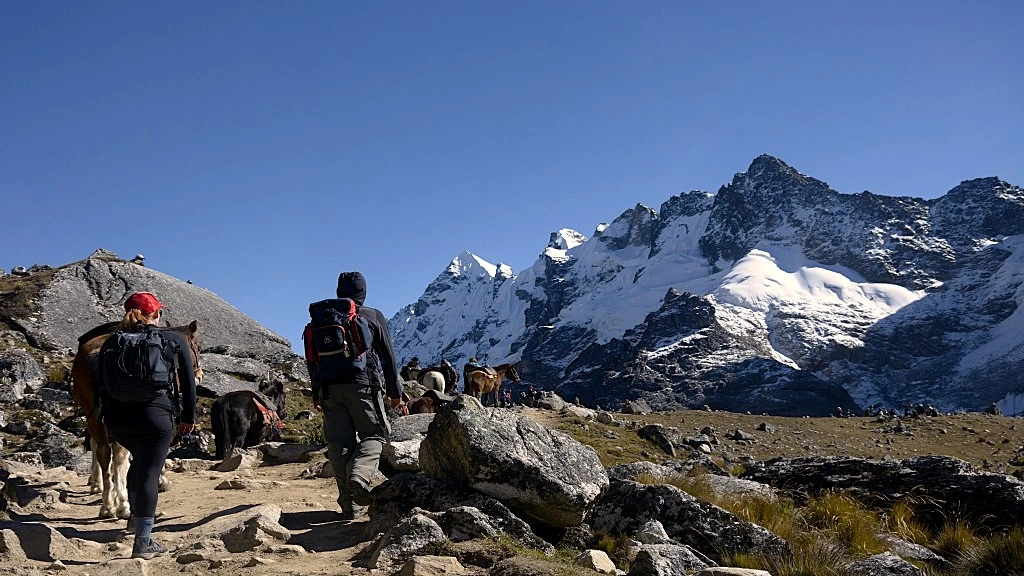
The Cusco (or Cuzco) snow-capped peaks are not free from “confusions” when it comes to writing their names. It could be said that, in this matter, the apus or sacred mountains —as they have been considered by the Andean people since ancient times— enjoy no special privilege or status. Just ask Salcantay, which sometimes swaps its C for a K. What never changes, however, is its condition as the “Wild Mountain.”
That’s what its name means in Spanish, regardless of how it’s spelled. What also remains steadfast, unyielding, and never varies is the majesty of this 6,264-meter giant that stands out in the Vilcanota mountain range. In its domain, the Andean landscape is fascinating, and the trails are more than a challenge, making it one of the favorite challenges for trekkers who arrive in the mythical Inca capital.
If you enjoy walking for several days, the Salkantay-Machu Picchu trek is an option you shouldn’t overlook. It’s five days and four nights during which your steps will take you from the mountain range to the cloud forest. On this journey of approximately 75 kilometers, you’ll cross a high pass at 4,630 meters above sea level before descending along a winding trail into the lush lower jungle.
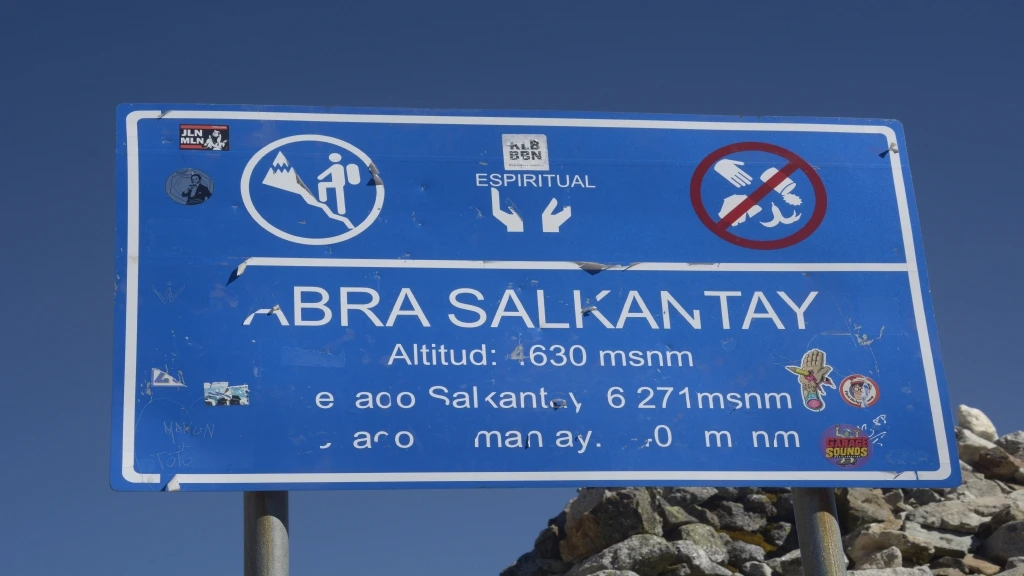
What do you think? An authentic adventure that begins with a road trip from Cusco to Mollepata (in the Anta province) and from Mollepata to Challacancha. This is usually the starting point of a circuit where you’ll not only see Salkantay but also other snow-capped peaks, like Humantay, at the foot of which lies the lake of the same name. This lake can be visited in a round trip from Qosqo.
Prepare your trekking boots. The Apu—spelled with either a C or a K—is waiting for you. And while you can explore it on your own, we recommend doing it with a local operator. In Cusco, you’ll find several agencies that offer the route. Their services include transportation, food, tents (but not sleeping bags), and guiding, among other details that will make your journey easier.
The Sanctuary of Machu Picchu or Machupicchu
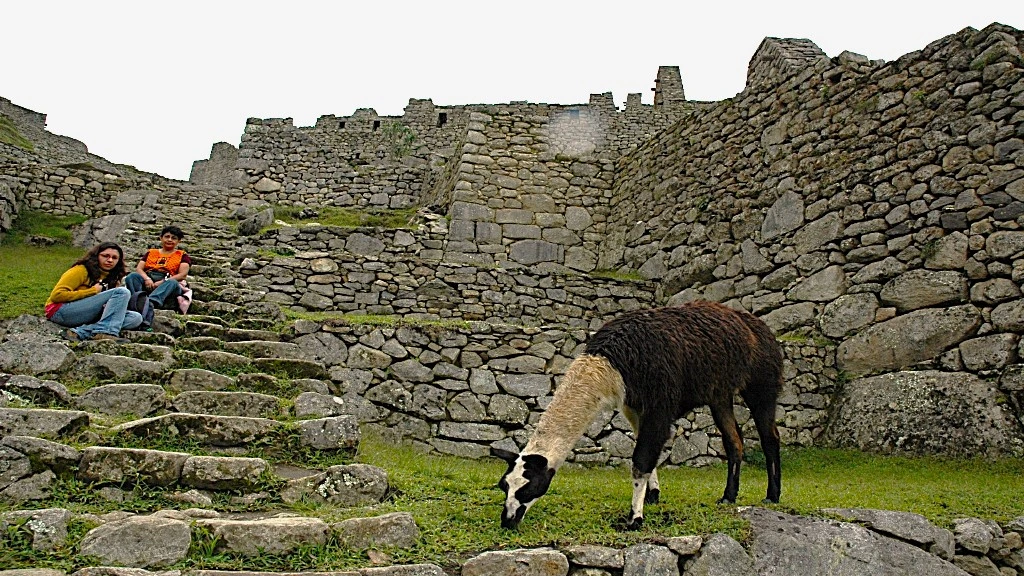
Whether you write it in one or two words, Machu Picchu—translated as the “Old Mountain” in Spanish—is the standout attraction of Cusco and Peru. I won’t ask you to include it in your list of places to visit; it’s a given. It undoubtedly tops that list because everyone wants to see one of the world’s greatest wonders.
But it’s not just the ruins that make Machu Picchu remarkable. The forests surrounding the citadel, built by the ninth Inca, Pachacutec (or Pachacútec), are home to various species of Andean and Amazonian flora and fauna. You know the drill—don’t just focus on the stone structures and the mountains blanketed in green. If you’re observant and a bit lucky, you might spot endemic orchids and vibrant bird species.
For its archaeological and natural value, this world wonder is protected by the Peruvian state as a Santuario Histórico (Historic Sanctuary). Beyond its Incan structures, the sanctuary boasts a rich environmental significance, with wooded areas, rugged mountains, and snow-capped peaks. It represents a unique intersection between the Andean and Amazonian domains.
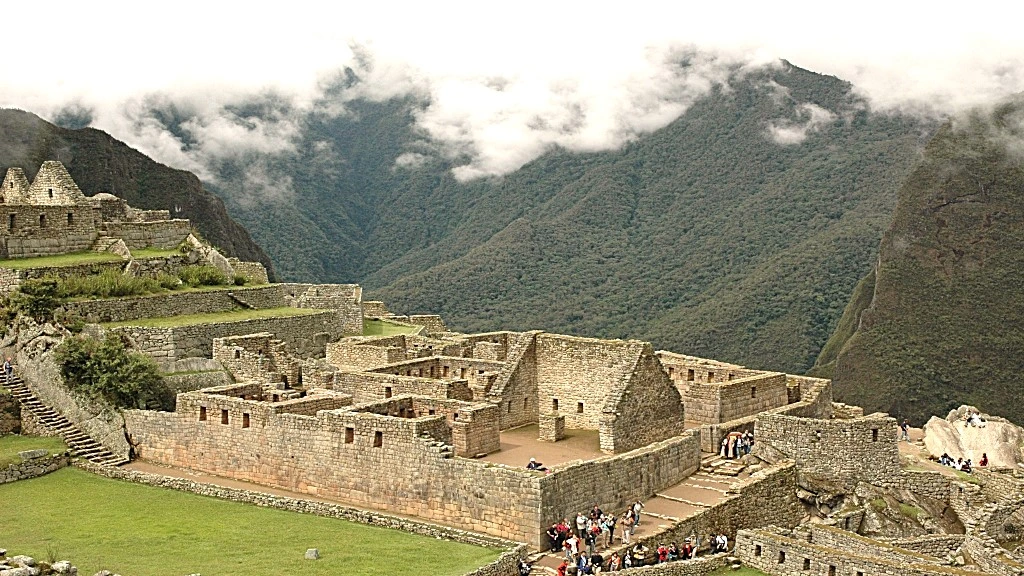
That’s the foundation for the creation of the Machu Picchu Sanctuary (yes, written as one word), whose objective is “to protect endangered species, such as the spectacled bear (Tremarctos ornatus) and the Andean cock-of-the-rock (Rupicula peruviana), as well as the archaeological remains,” as reported by the Servicio Nacional de Áreas Naturales Protegidas por el Estado (Sernanp) on the Gob.pe website.
Nature is another compelling reason to visit this Incan jewel. Keep in mind that access tickets must be purchased in advance via tuboleto.cultura.pe. Similarly, be cautious with your train tickets (they sell out quickly during the high season from June to August). If you’re planning to take the famous Inca Trail, which takes four days and three nights, book your spot months ahead as access is limited.
To avoid any worries, trust a local tour operator who specializes in this route. With their professional support, you’ll get the most out of your Cusco vacation, regardless of how you choose to spell the places you’ll explore. The whole issue of Q’s becoming C’s and S’s changing to Z’s is just a quirky detail that helped us share a little more about our land.
November 7, 2024