


Cuisine in Cusco: One destination, many flavours
“What will you be ordering?” the waiter asks, tapping his pen on the notepad where he takes the diners’ orders. The persistent tapping adds a note of annoyance to a familiar scene. Many customers hesitate, unsure, and reluctant to experiment. In the end, they prefer the familiar.
“They don’t know what they’re missing,” the regulars joke when they hear that, at the next table, a couple orders out of habit or lack of culinary daring: a grilled chicken breast and a simple soup, instead of exploring traditional dishes or experimenting with gastronomic fusions.
To be adventurous or conservative. That’s the dilemma for many travellers. Is it yours? Which table would you choose to sit at: the one with diners who know what their neighbours are missing, or the one with the outsiders who never tire of their grilled chicken?
If you’re someone who believes that the gastronomic experience is an integral part of travel adventures, if you’re determined to try new ingredients, even if they’re spicy and their appearance isn’t very appealing, if hearty dishes with strange names don’t intimidate you, then Cusco will captivate you with its aromas and flavours.
Another reason to visit Peru’s main tourist destination, where kitchens are filled with the finest offerings from Pachamama (Mother Earth) and the pots are generous and welcoming. During rural and religious festivities, communal lunches are organised, where food is shared among friends and strangers alike.
The table is set
Cusco of clay pots and flames stoked with firewood. Cusco of breakfasts and lunches in a market known for its excellent flavours. Cusco of giant breads, quinoa soup, and coca tea. Cusco of traditional picanterías and chicherías, and of towns famous for their guinea pigs and crackling pork.
But Cusco is also cosmopolitan flavour, gourmet offerings, and novoandina cuisine in innovative and sophisticated restaurants. This variety and openness to new trends in international gastronomy make the legendary Inca capital a destination with much taste and something for everyone.
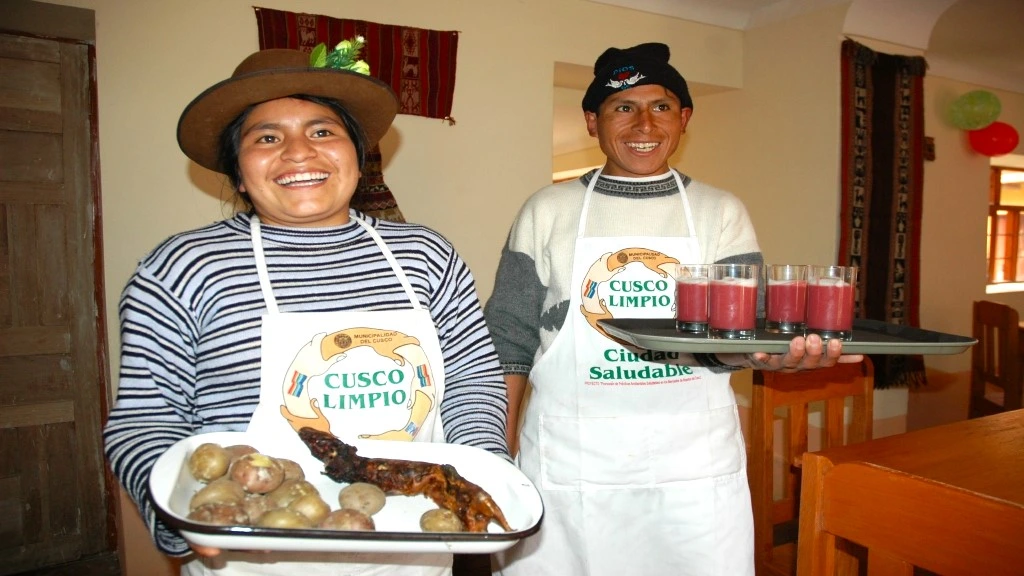
So get ready to fully enjoy the pan chuta from Oropesa, the guinea pig stuffed with rocoto and noodle pie from Tipón, the chiriuchu (a traditional dish) from Corpus Christi, the crackling pork and tocto from Saylla, the corn with cheese from the Sacred Valley of the Incas, and the native potatoes sourced from all over the region.
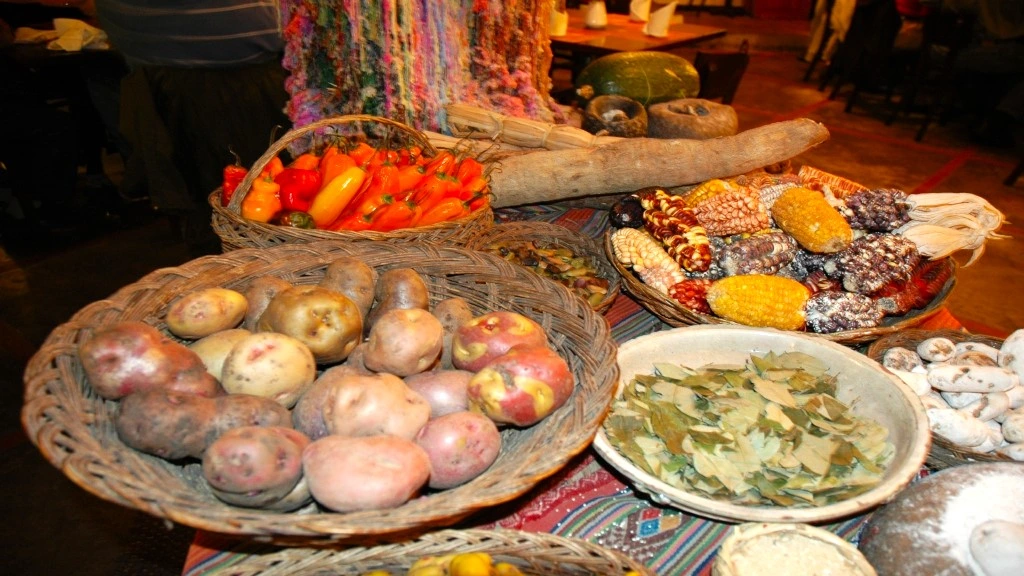
Boiled in a pot or cooked underground using a technique known as huatia, Cusco potatoes, Peruvian potatoes, don’t need much “science” to be a delight. Just add a bit of ají—an essential and nearly indispensable condiment—or combine them with cancha or cheese to brighten your day.
And it’s true that Peru begins with P for potato, the tuber domesticated thousands of years ago in the Andes. A basic and popular ingredient, it is eaten by farmers during their work and served in countless ways at street stalls, in market kitchens, and at the finest restaurants.
Cusco a la carte.
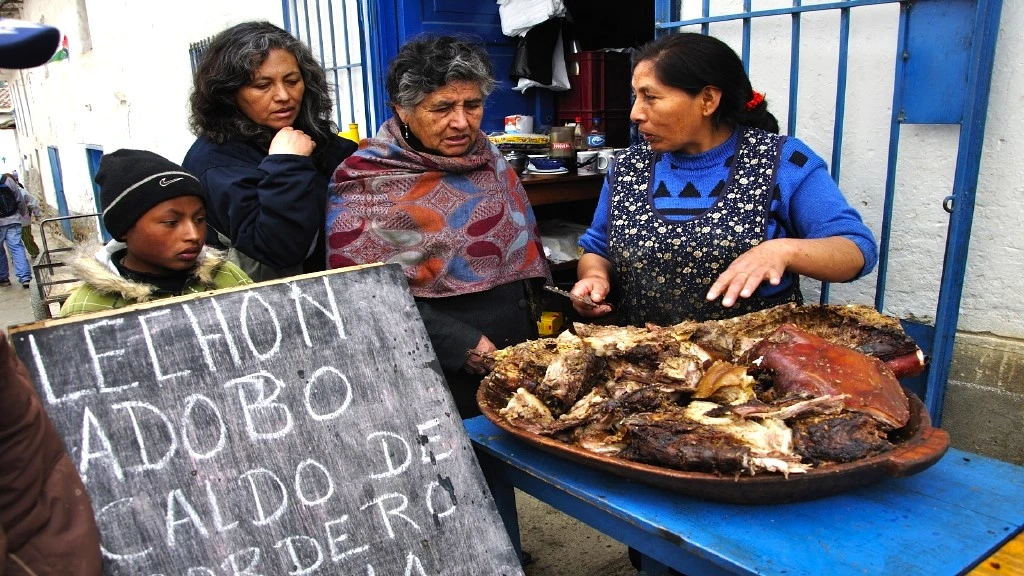
And although there’s no accounting for taste, we still recommend some typical dishes that grace the menus of Cusco’s picanterías and the chalkboards of the San Pedro central market, one of the must-visit spots if you want to explore authentic popular cuisine.
Tips for a great lunch. If you enjoy soups, try the timpu, a typical carnival stew that includes various meats and vegetables; or chuño cola and chairo, both of which contain chuño (naturally dehydrated potatoes); or quinoa soup, one of Peru’s superfoods.
If you have a hearty appetite and soup leaves you wanting more, chiriuchu is your next challenge. Considered one of Cusco’s flagship dishes, it is traditionally prepared for the Corpus Christi festival, but don’t worry, you can taste it on other occasions too. Just know that it won’t have that special flavour from the fervent religious celebration.
Chiriuchu (literally “cold spicy” in Spanish) is a spectacular combination of ingredients from the coast, mountains, and jungle. The list includes cochayuyo (seaweed), fish roe, oven-roasted guinea pig, boiled hen, and charqui (dried meat), among others. Most are simply boiled, and all are served on the same plate.
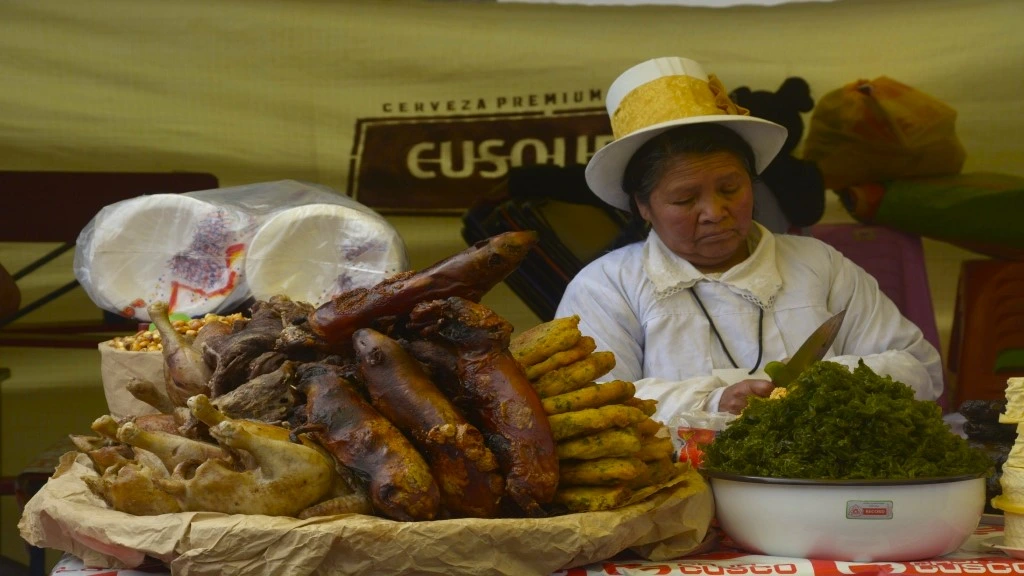
Abundant and ideal for sharing! That’s how it’s done in the “navel of the world.” You’ll confirm this when you order oven-roasted guinea pig (the always controversial cuy), fried pork crackling (chunks of meat fried in their own fat), slow-roasted suckling pig (tender and well-seasoned), or a good fried trout.
A rewarding route
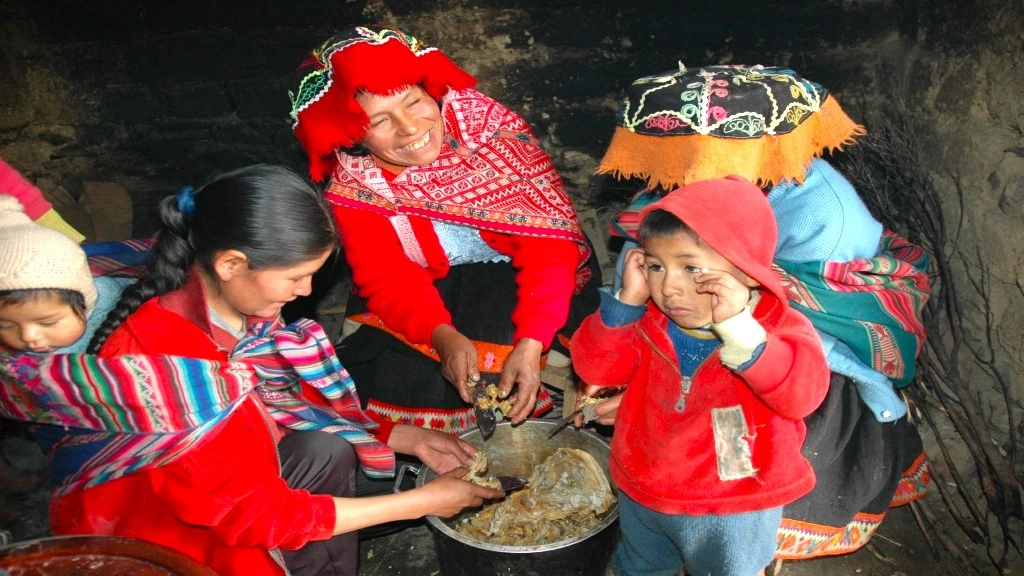
A tasty excursion on the outskirts of Cusco. An itinerary through archaeological sites, chicharronerías, cuyerías, and bakeries that will satisfy your interest in pre-Hispanic history and well-served tables. A nutritious adventure that starts before breakfast and ends at tea time.
The proposal is set. You just need to embrace a delightful day filled with archaeological and gastronomic “ingredients,” where tocto (fried pork crackling) and chicharrones—served with mote (boiled corn), golden potatoes, and sarza criolla with mint—will welcome you to Saylla.
In this district, just 20 kilometres from the Historic Centre (30 minutes by public transport), a swarm of chicharronerías lines the Cusco–Puno road. All are highly recommended. Each one will treat you to a hearty portion that will give you the energy needed to head to the community of Choquepata in Tipón, Oropesa district, Quispicanchi province (7 km, with public transport available).
The tourist menu is varied in the “National Capital of Oven-Roasted Cuy.” To start, a walk through the terraces, channels, and enclosures of the Tipón Archaeological Park, where the Incas worshipped water. As the main course, there’s the majestic cuy, feared by a few and adored by all who savour its tender, soft, and nutritious meat.
Consumed since pre-Hispanic times, cuy is well accompanied on the plate. A serving of noodle pie, the essential potatoes, and a stuffed rocoto—beware: your palate may be on fire—complement the feast. Wash down your lunch with chicha de jora or frutillada, ancient fermented corn drinks.
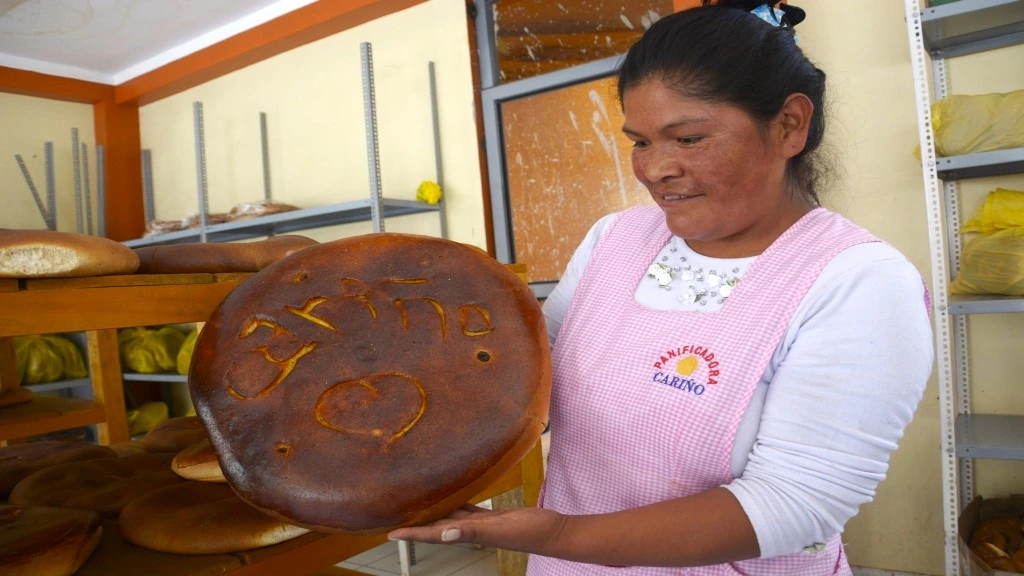
Before returning to Cusco, take a detour to Oropesa (3 km, 10 minutes by public transport) to try and take home the enormous pan chuta for your tea. Round like old records, these loaves are baked over wood fires. The secrets of their preparation are passed down from parents to children, who take pride in their district being known as the “National Capital of Bread.”
If time allows, extend your route to the archaeological sites of Piquillacta (“The Town of Fleas” in Spanish), a pre-Inca city on the outskirts of Cusco, and to the site known as Rumi Colca, which is thought to have been a checkpoint built by the “Sons of the Sun” to control access to the capital of their empire.
Variety is the spice of life
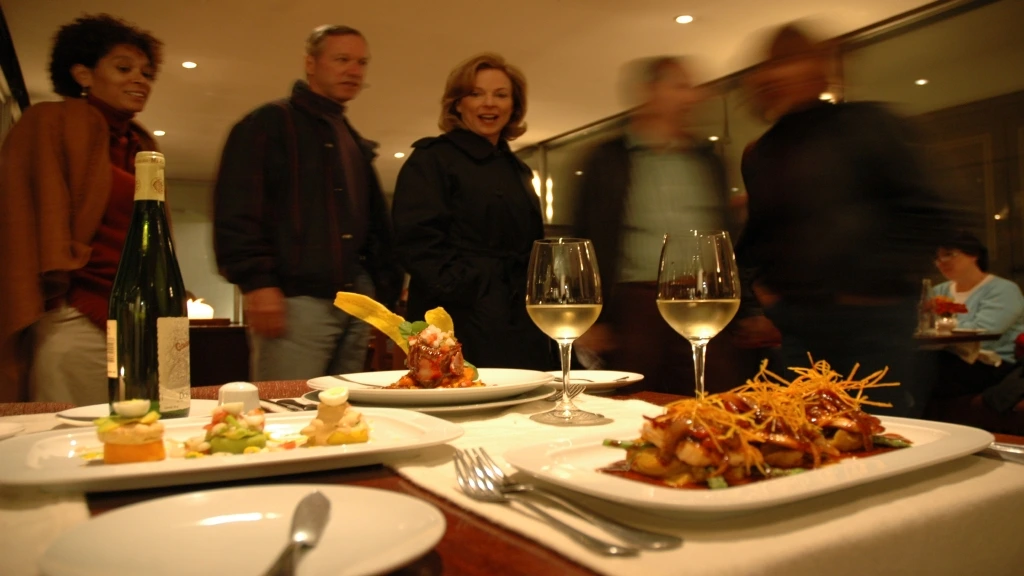
Cusco is not just about Andean flavours. Its status as a tourist destination transforms it into a city with diverse culinary trends. In the streets of the Historic Centre and the San Blas neighbourhood, to name just two urban areas, you’ll find restaurants specialising in international cuisine.
If you fancy some pasta, you’re in luck. Cusco pizzas have an excellent reputation. For an Oriental dinner, visit a sushi bar, a chifa (Chinese food with a Peruvian twist), or an Indian restaurant. There are also places inspired by French, Argentine, Mexican cuisine, among other options.
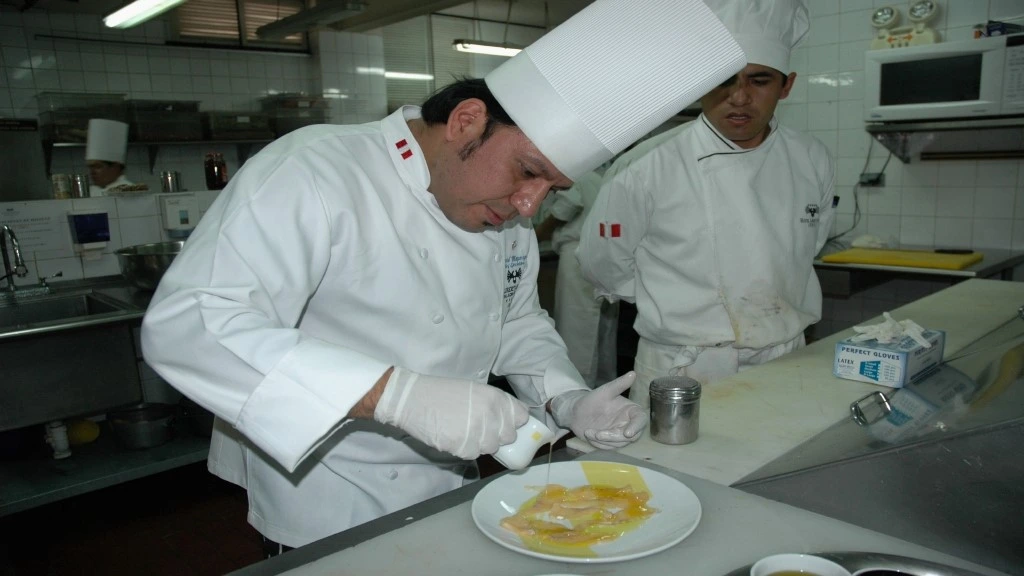
New trends have a place in the “Imperial City.” In kitchens, chefs experiment and reinvent, presenting ancestral ingredients in innovative ways, such as alpaca meat—low in fat and ideal for consumption at high altitude—quinoa, and native potatoes. The results are exceptional. You have to try them.
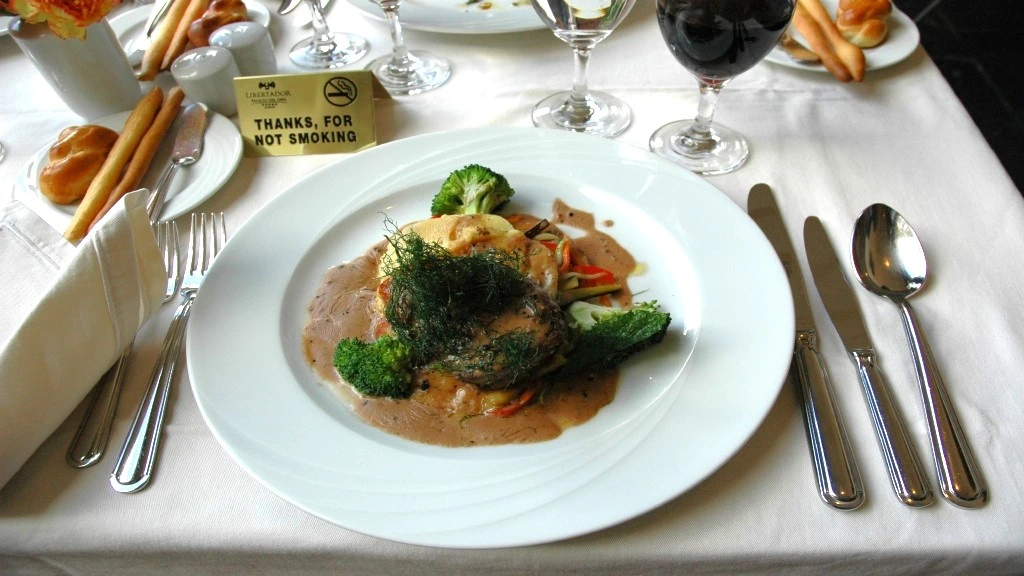
An interesting proposal is the cooking classes offered to travellers. It’s a fun alternative for you to learn how to prepare representative dishes like ceviche, lomo saltado, or ají de gallina. Additionally, you’ll be taught how to make pisco sour, the most famous Peruvian cocktail in the world.
Come to Cusco and let yourself be seduced by the art of all its cooks: those from the countryside, the market, the picanterías, and the fine restaurants. With their knowledge and techniques learned by the fire or in the classrooms of culinary schools, they keep the flame of tradition alive, the flame of creativity.
September 28, 2024