


Tambopata: Adventures in the Amazon
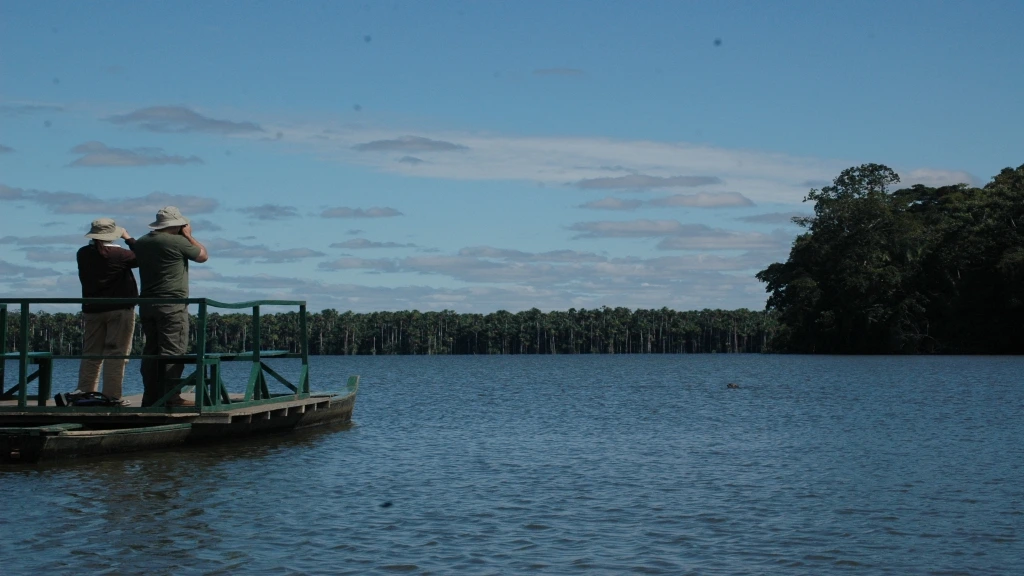
That unexpected vision was the sign that I would return to the Tambopata National Reserve. That’s what I thought on that misty morning as I navigated the course of an Amazonian river heading to Puerto Maldonado, the capital of the Madre de Dios region, after several days of adventures on the narrow, muddy paths (trochas) and lakes (cochas) of a biodiverse forest.
I wasn’t mistaken. Years later, as I sailed those same waters, but in the opposite direction, I would remember that thought and the unexpected vision that inspired it: a jaguarundi perched on the branch of a dry log, anchored on a riverbank. Amidst the mist, the feline seemed like a totem and an eternal guardian of that jungle I was leaving behind, the very same jungle I have returned to many times.
But none of those returns would repeat the fantastical scene that marked my first visit and my first goodbye to Tambopata, the protected area where I searched for caimans at night and watched a river wolf fish, where I observed the colourful flight of macaws and the gymnastic leaps of monkeys, where I found a tarantula in my tent and a jaguar’s footprint on my path.
“Don’t worry, it won’t do anything. I’ll get it out right now,” reassured the guide accompanying me through the forest, which experts call the subtropical humid jungle of southeastern Peru. “Don’t be scared. It’s watching us and will only come out once we leave,” predicted the native guide, showing us a fresh jaguar track—one of the many names for the largest feline in the Amazon.
I believed them both. They knew the reserve, showed it, and interpreted it for the researchers and tourists who explore the riverways and trails of one of Peru’s most popular green destinations due to its proximity to Puerto Maldonado (a 40-minute boat ride) and its accessibility from Cusco. You just need to fly an hour from the ancient capital of the Incas to venture into biodiversity.
A city in the forest
From the mountain range to the jungle. From the Andean peaks to the Amazon plains. From the altitude that tempts altitude sickness to the heat that suffocates you even in the shade. Everything changes as you descend the airplane or bus steps (9 hours, 80 soles) that takes you from Cusco, the “Historical Capital of Peru,” to Puerto Maldonado, the “Capital of Biodiversity” via the Interoceanic Highway.
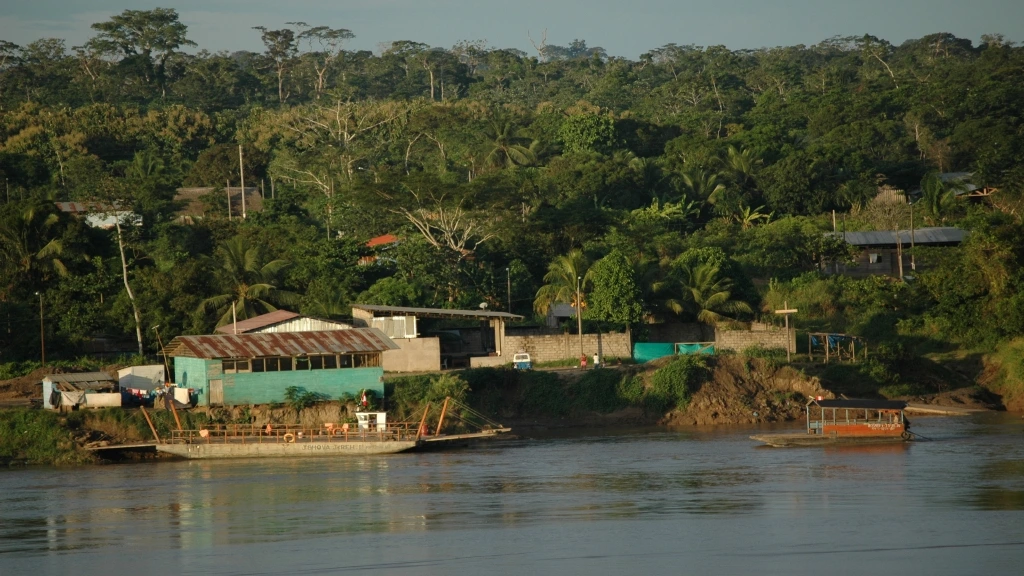
These contrasts are part of the magic of traveling through Peru, a nation of diverse geographies, natural landscapes, and climatic conditions. You’ll realize this when you arrive in Puerto Maldonado (southeast of Lima), a city “planted” by the rubber baron Carlos Fermín Fitzcarrald in 1894 on the wooded shores of the Tambopata and Madre de Dios rivers.
The urban seed would officially become a city in 1902. Ten years later, it would be designated as the capital of the Madre de Dios department (now region). Lively and bustling with the “swarms” of motorcycles that roam its streets, Puerto Maldonado is a touch of urbanity amidst the Amazonian exuberance and the powerful riverbeds of its rivers.
During the dry season, its shores transform into beaches (from April to October). If you’re heading to or returning from Tambopata during these months, take a day to “summer” on the riverbanks. It’s a unique experience where you’ll mingle with the people of Puerto Maldonado, many of whom are children or grandchildren of Andean migrants who ventured into the forest in search of new opportunities.
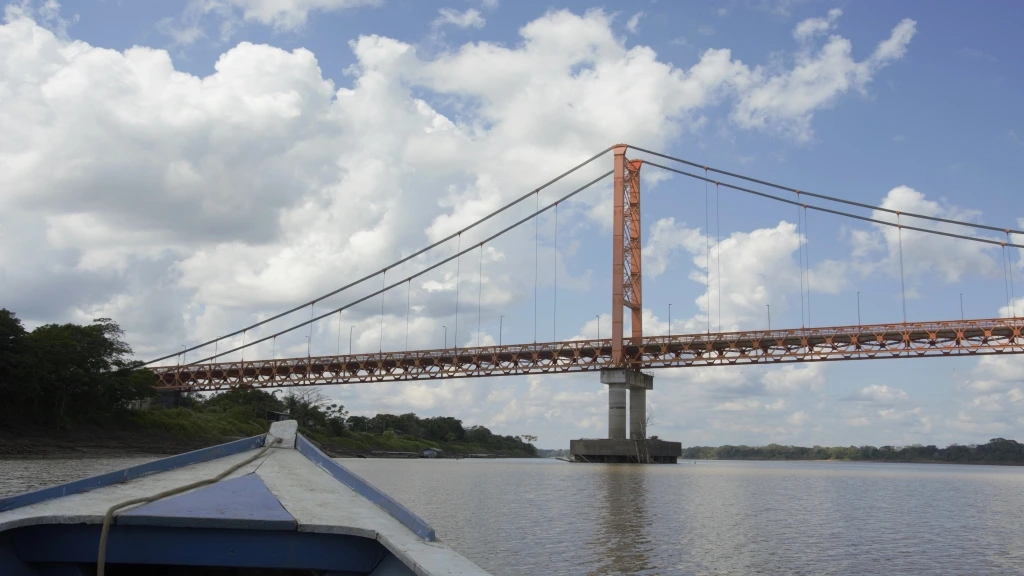
That’s not the only thing you can do in this city, which is accessible by air and land from Lima and Arequipa, and by road from Puno and Brazil, via the Interoceanic Highway. Take advantage of your stay to visit Plaza Grau, with its magnificent views of the Madre de Dios River, the Billinghurst or Continental suspension bridge, and the Obelisk or Biodiversity viewpoint.
A paradise of wildlife and flora
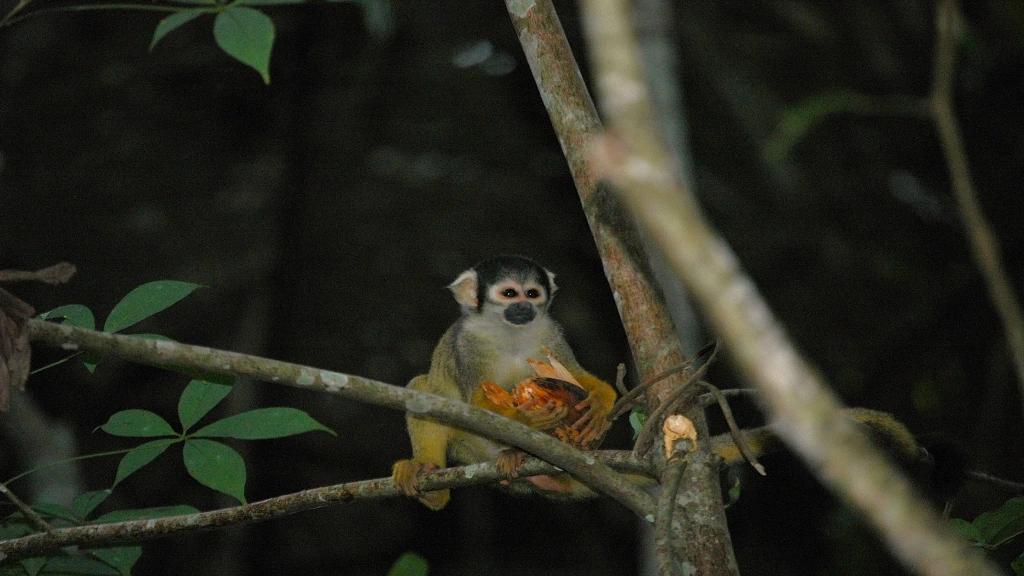
The jungle: walk it, explore it, feel it, and live it in Tambopata. The green destination that awaits you, surprises you, and lulls you with the “songs” and “voices” of its extraordinary wildlife. Here, nature is the main attraction. You won’t find archaeological remains or monumental structures here. The excursions are always different, unique, and unrepeatable.
That’s why I never saw the jaguarundi again. Nor the tarantula that wanted to “sleep” in my tent. That’s why I can’t tell you which animals you’ll spot on your excursions through this reserve, created on September 4, 2000, on your journeys through this unpredictable destination that is home to 648 species of birds, 108 species of mammals, 123 species of reptiles, 323 species of fish, and 1,713 species of plants.
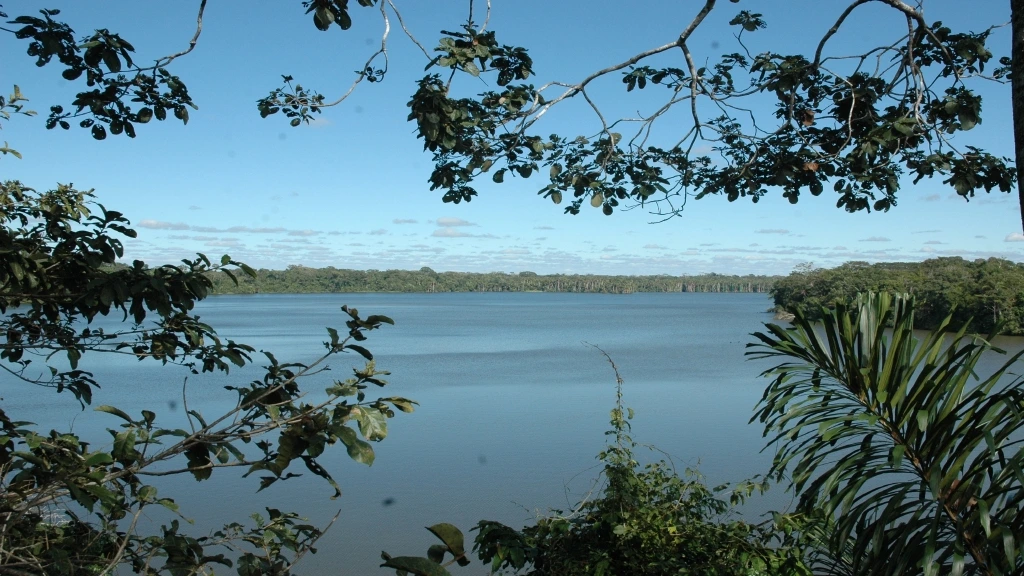
Life, so much life, so much wildlife in the 274,690 hectares of Tambopata, where there are three key tourist areas: Lake Sandoval, a water mirror with palm trees and aguajales, with river wolves and macaws; the Medio Tambopata sector, which can be reached by boat (about two hours) from the native community of Infierno. In this area, you’ll discover the Condenado I and II lakes, Cocococha, and Sachavacayoc.
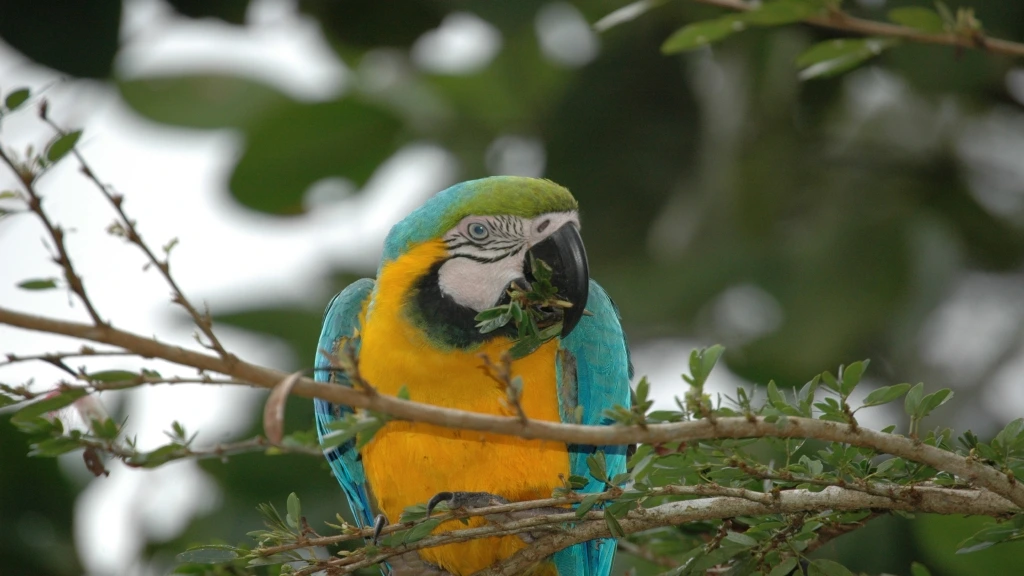
Don’t be scared. On this journey, you won’t encounter the devil or terrifying lost souls. There’s no need to carry holy water to protect yourself from evil. Nothing like that. You’ll simply enjoy the landscape, the tranquility of the forest, and, if luck is on your side, you’ll spot caimans, birds of all sizes and colors, and sloths, to name just a few species.
The third sector is Alto Tambopata. Visit it if you have a special fondness for colorful birds. The reason? It is home to the Colorado clay lick, the largest in the Peruvian Amazon, “where you can see hundreds of macaws and parrots taking turns to gather clay for their diet,” as explained on the official website of the National Service of Natural Protected Areas (Sernanp).
Amazonian experiences
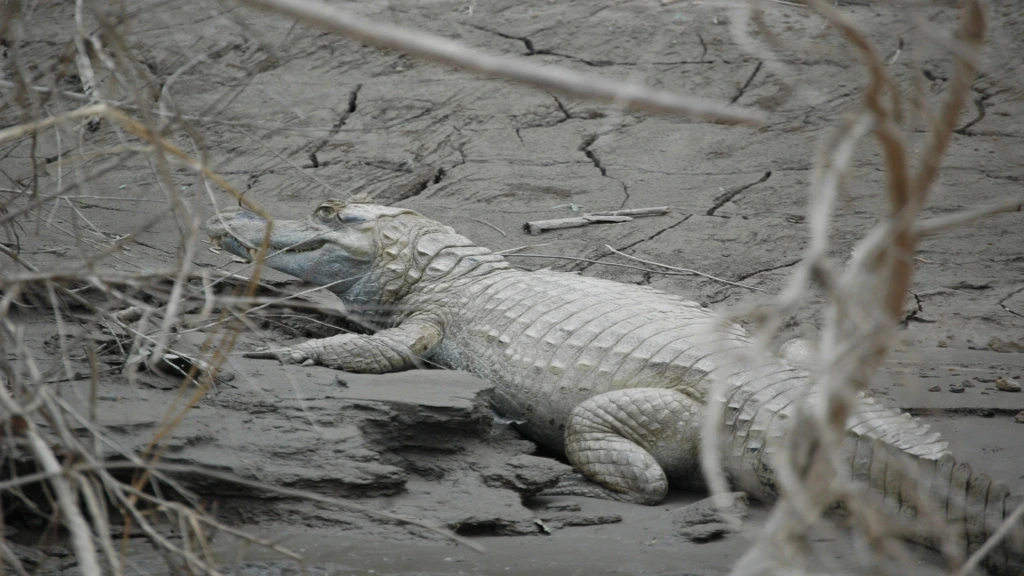
Sailing. The wind hits your face; suddenly, the guide signals the canoe motorist to stop. “To the left, there’s a caiman,” he says, pointing to the reptile soaking up the sun on the shore. Nearby, several butterflies flutter around it. The animal ignores them and does the same with the strangers who stare at it in awe. Still and unperturbed, it seems like a sculpture four metres long.
Walking. A flashlight cuts through the darkness of the night. “No noise,” suggests the guide so the travelers’ voices don’t drown out the symphony of the wildlife. Here, there’s no silence. Here, you hear the endless songs of creatures hiding in the undergrowth. The jungle expresses itself, and you listen as you move through a muddy trail, a path covered in leaves and seeds.
Exploring. Almost there, the guide encourages you, wielding his machete to clear the intrusive branches blocking the way. You want to believe him, but you hesitate. Yesterday, they said it wouldn’t rain, and yet a downpour broke out that night, proving once again that the Amazon is unpredictable. What could happen now, as we head toward a hidden lake? You don’t know. That feeds your anticipation and your desire to keep going.
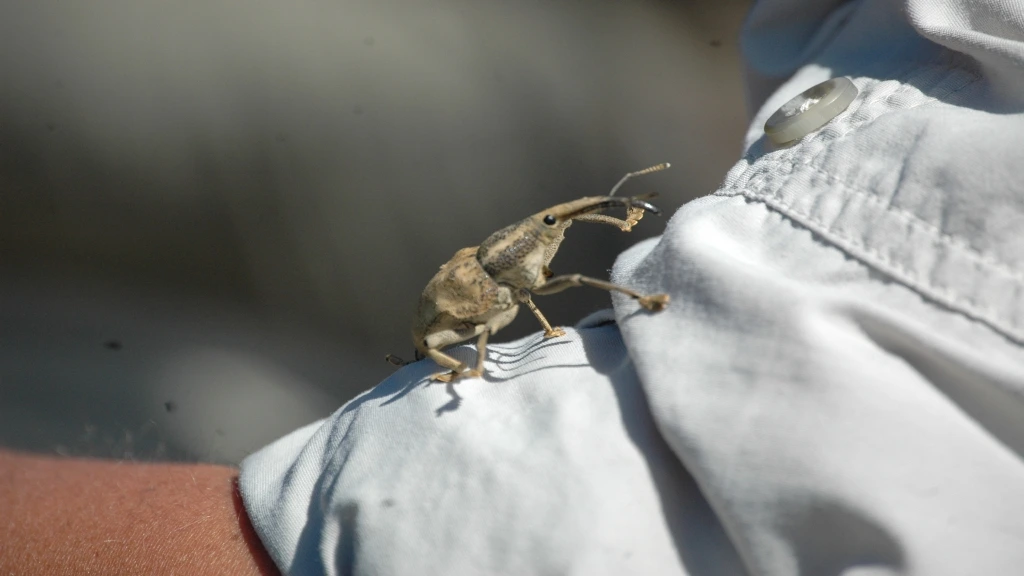
Learning. The forest is not an amusement park or a zoo. You must be cautious, respect the wildlife and flora, and always walk carefully. Observe everything with attention and enjoyment. Listen to and follow the guide’s recommendations to make your stay in Tambopata both intense and revealing, but without mishaps. Remember with every step that nature reigns in the jungle.
Making the decision. If you want to sail, walk, explore, and learn, dare to vacation in Tambopata, where you’ll find eco-friendly hostels and lodges that will serve as your base and starting point to the forests, aguajales, chestnut forests, clay licks, lakes, cochas, and rivers of a reserve that is home to several species in vulnerable situations.
A reserve, multiple tourist options
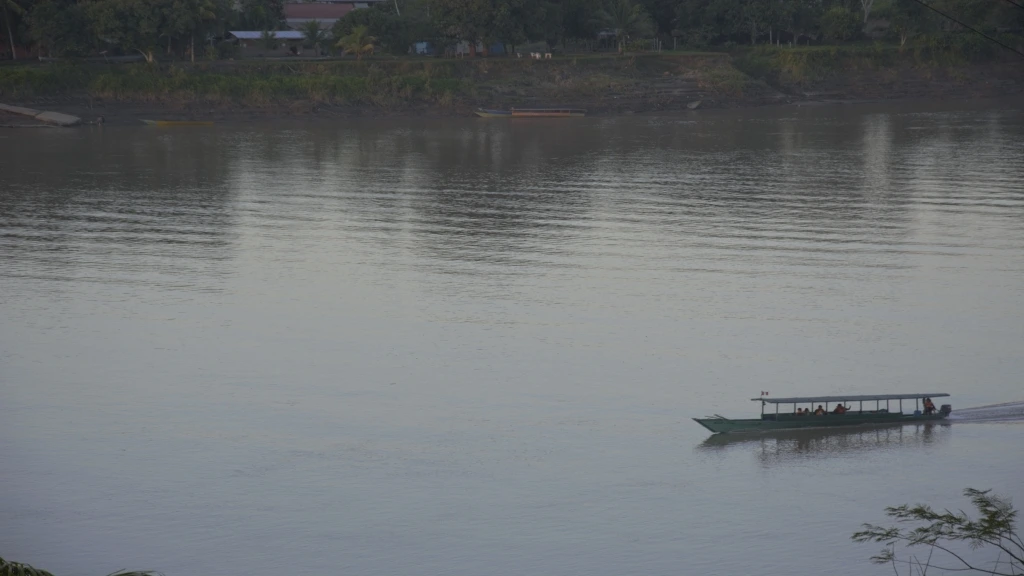
If you’ve never been to the jungle, if the forest scares you a bit with its bugs, insects, and snakes, or if you think you’ll have a bad time because you won’t have any comfort, I have good news: you’re wrong. Tambopata is a destination designed to offer you a safe and comfortable adventure in one of the most diverse natural spaces on the planet.
Dare to discover the Peruvian Amazon. It’s not difficult to do. Local operators offer various programs. If you’re short on time, opt for a full-day excursion to Lake Sandoval or a 2-day/1-night tour. But, if you’re fascinated by the idea of immersing yourself in the wilderness, choose a 6-day/5-night tour, and you’ll feel like a legendary explorer.
You decide, you choose: a quick getaway or a deep journey. What do we recommend? The answer is simple: it depends on your interest and your previous experience in similar places. If it’s your first time and you’re not sure how you’ll feel in a lodge in the middle of the forest, take a short tour, and you’ll get a general glimpse of the destination.
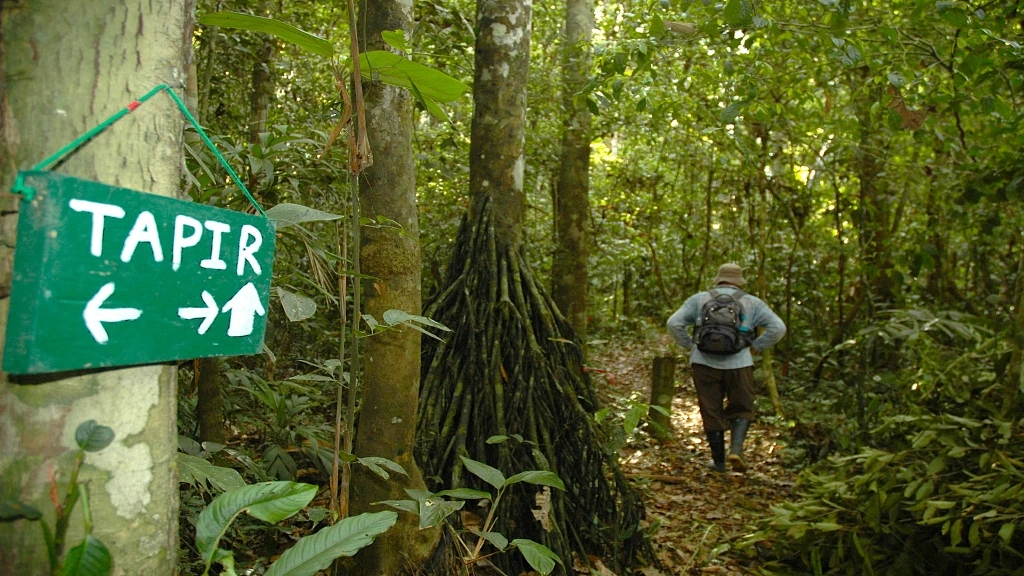
If you’re an experienced traveler, used to or excited about navigating rivers and walking through muddy areas, if the heat and rain don’t scare you, if bugs don’t bother you, and if the idea of camping for one or more nights excites you—maybe even the possibility of spotting and photographing a jaguar or a capybara—then pack your bag and immerse yourself for several days in nature.
But beyond the hours and days of stay, the Peruvian jungle is an excellent tourist alternative. And although we can’t guarantee which animals you’ll encounter or what will happen during your excursions, we know that you’ll have an extraordinary experience in a green destination that is vital for the planet. The lungs of our global home are in Tambopata, they’re in the Amazon.
February 14, 2025