


Cusco: Waqrapukara, the fortress of the horn
Early, very early, before dawn in Cusco. That would be the first challenge. A challenge that began with yawns and stretches to shake off the sleep, determined not to step out like a sleepwalker or zombie onto the desolate streets of a city where I was a stranger – a city I would leave as a tourist but would return to as an explorer.
That thought pushed me out of the room with high spirits and the conviction that I would overcome all the obstacles along the way; however, my enthusiasm crumbled when the cold wind “slapped” me for the first time. No, this was too much. Only a madman would leave the warmth of the bed to search for the stop where the minibuses would take him closer to his destination.
The worst part was that I was that madman – a madman who wouldn’t change his plans of reaching Waqrapukara today, yes, today, “the fortress of the horn.” “You can do it,” I cheered myself on as I continued down the hotel stairs. I did so with more doubts than certainties, given the hostile weather and the wedding being celebrated on the first floor. The guests were so cheerful that they surely would have wanted to toast with me.
“Yes, I do,” I replied as if I were a groom at the altar… “but just one little drink,” I warned, knowing full well they’d offer me more than one. The quirks of being a traveller. Things that happen in Peru, a country with open doors, where you’re invited, shared with, and welcomed as if you were family – especially on festive days, when everyone is welcome. Everyone has to be happy.
I stuck to my warning. I said my goodbyes. “See you at the divorce, my waykis (friends),” I dared to joke, inspired by that little drink that took away my sleep and laziness. It also chased away the cold. I stepped outside. I walked through the San Blas neighbourhood, the Plaza de Armas, and several streets with names in both Quechua and Spanish. There was no turning back now. My journey to Waqrapukara had begun. Come with me!
Dawn on the road
Once again in Cusco, but not to visit the marvelous Machu Picchu or the challenging Choquequirao with its four-day trek. Not even the string of towns and archaeological sites that beautify the Sacred Valley of the Incas, or the winding roads that approach and surround the snow-capped peaks of Ausangate and Salkantay, the mountains that watch over and protect the “Historic Capital of Peru.”
It’s time to change things up, to explore, to discover new destinations. The search for alternative attractions enriches your itinerary and fuels your adventurous spirit. It’s always good to “escape” for a day or two from the most popular circuits and head toward that barely explored place recommended by a taxi driver, the receptionist at your hotel, or the globetrotter you met at a bar.
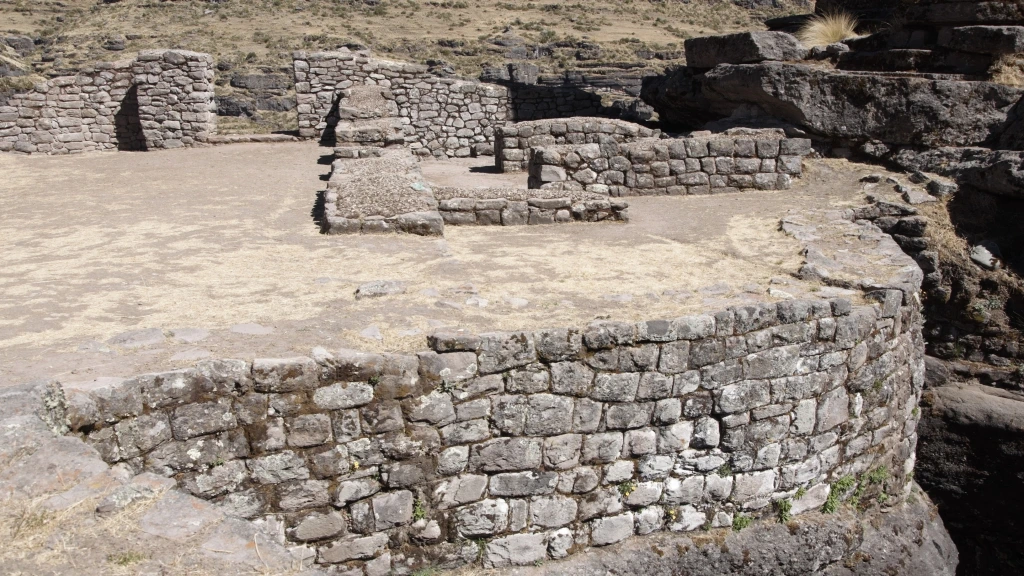
This quest would lead me to the 4,100 meters above sea level of Waqrapukara, at a time when almost no one — or very few — were exploring this archaeological complex in the district of Acos, province of Acomayo. Located at the top of a mountain that resembles a horn, the area has yielded evidence of several pre-Hispanic cultures, including the Incas, the “Children of the Sun.”
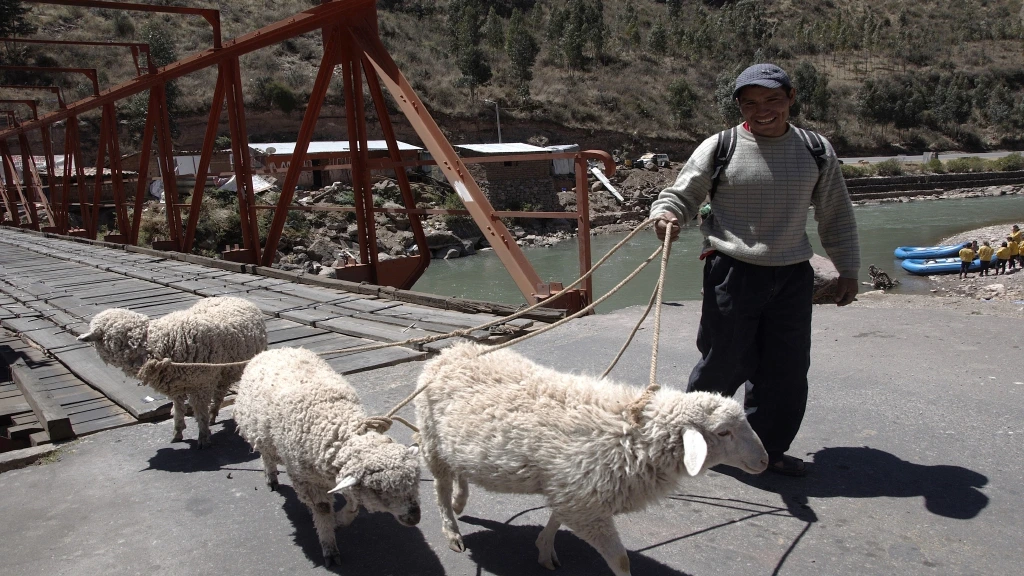
But I didn’t know that when I left the hotel. At that moment of yawns and stretches, my first goal was to board the minibuses to Sicuani (they depart from Wanchaq, near the closed coliseum) and get off at the Chuquicahuana bridge (about 2 hours, ticket cost: 15 soles, reference price).
At that point, I would meet Godofredo, a companion from many trips to little-known places around Cusco. And there I was, waiting for his arrival in the middle of the road. Had he gotten discouraged? I wondered, while glancing up at the sky, hoping that Tayta Inti (Father Sun) would finally wake up and warm the Andean dawn.
Waqrapukara: a cultural melting pot
All I had to do now was wait and complain about getting myself into these kinds of adventures. I could have been having a great time at the wedding or on one of the countless excursions that Cusco tour operators offer to tourists wandering the streets of the “navel of the world.” This is what the capital of Tawantinsuyu, the vast Inca Empire, has been called since pre-Hispanic times.
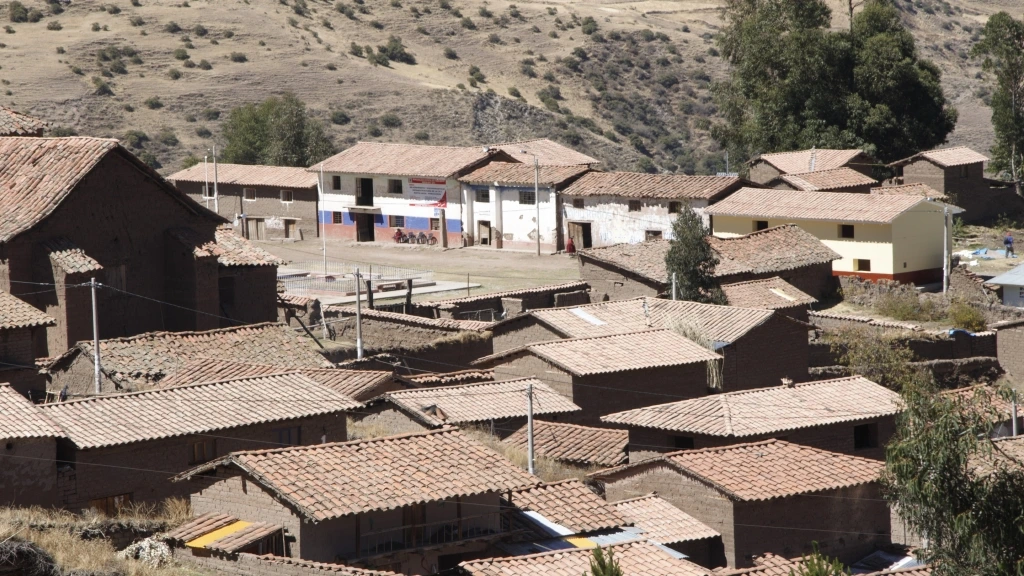
The options are varied and now include day trips to Waqrapukara. That’s the case now, but it wasn’t always so. Back then, you had to go on your own, always on your own, all the way to the Chuquicahuana bridge and from there, take a shared taxi (10 soles, travel time: less than an hour) to Pomacanchi Lake and the village. But the journey didn’t end in the “puma’s corral” – that’s what its name means in Spanish.
“In Pomacanchi — 3693 meters above sea level — we’ll look for a ride to Santa Lucía. Hopefully, we find one quickly. Sometimes there isn’t one. If we’re lucky, we’ll get there in an hour. Then we’ll start walking to the fortress. It’ll be five kilometers there and five back, Godofredo told me as soon as he appeared to avoid my complaints about his tardiness.
He succeeded. His information extinguished my fury. I just wanted to be in the village, to find a truck, minibus, or old taxi that would drop us off in Santa Lucía, to take that first step toward an archaeological complex that “some experts believe was originally a work of the Canchis, a warrior people who thrived before the Incas, who eventually took control of the area.”
In an article published by BBC News Mundo, Óscar Montúfar from the National University of San Antonio Abad in Cusco points out that “there are indications that its origins may be even older.” In his opinion, Waqrapukara could have been a cultural melting pot because “there is archaeological evidence of the Pukará cultures, the oldest, followed by Tiawanaku, Wari, Canchis, and then the Incas.”
A sacred fortress
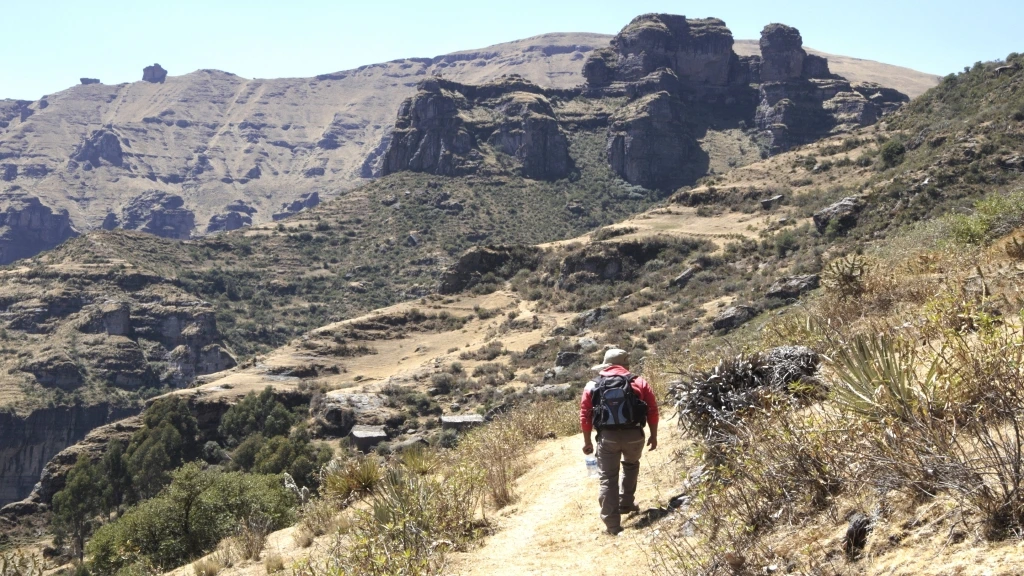
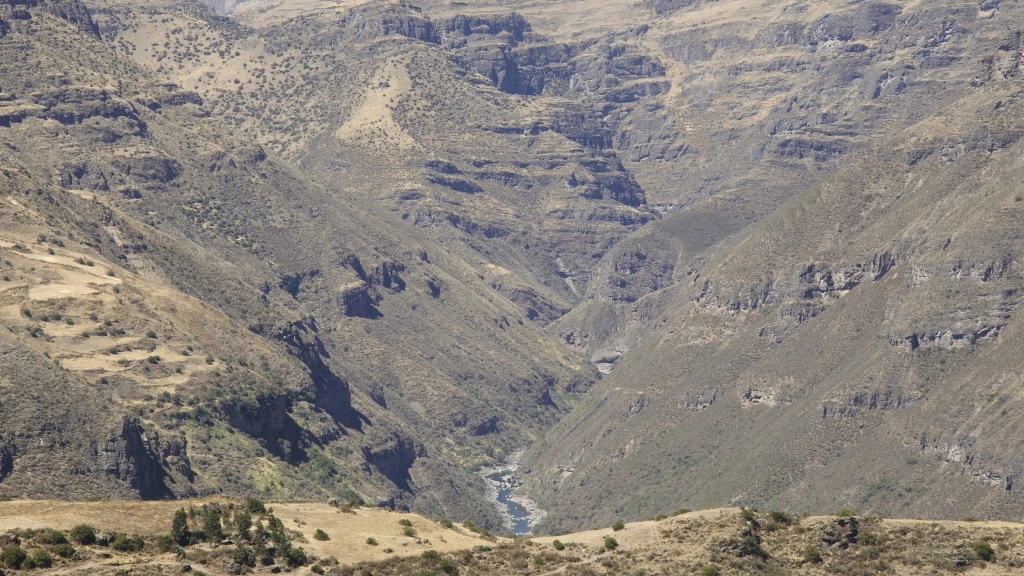
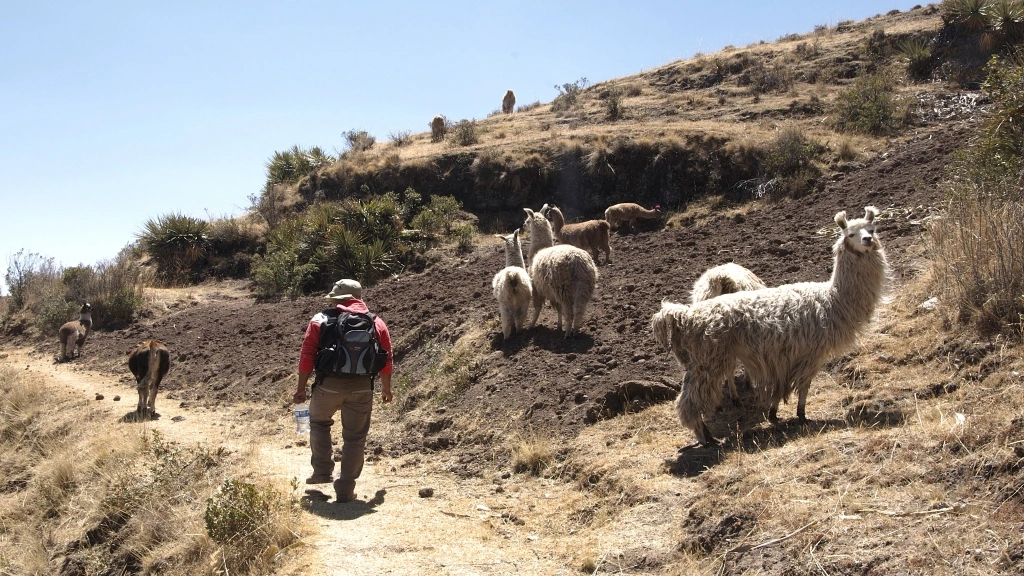
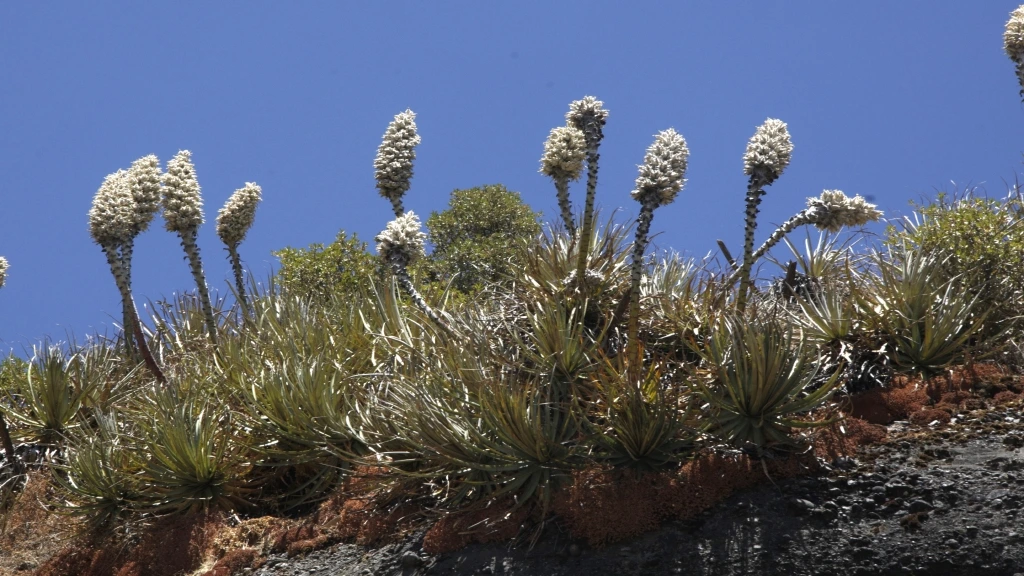
Calm down, don’t rush. Measure your steps. The journey has just begun. Don’t push yourself too hard. Don’t speed up, don’t run, don’t chase anyone. Enjoy it. Find your own rhythm. Stop to take several photos, to breathe deeply, to observe the rocky mountains, the cultivated fields, the herds of alpacas, llamas, and sheep, and also the depth of the Apurímac River canyon.
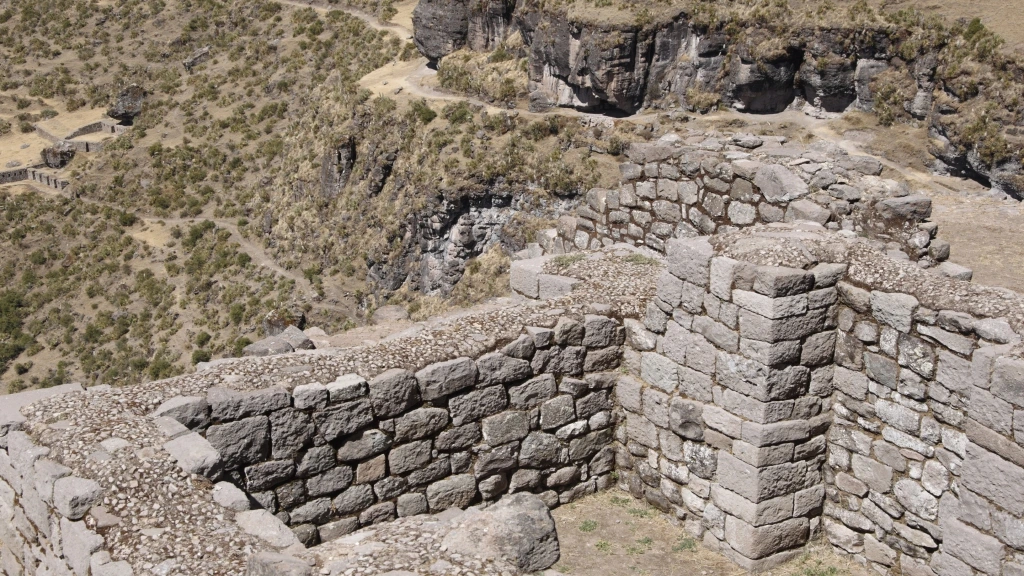
Don’t be scared if you’re short of breath or if your heart pounds like the drum of a marching band. Walking in the Andes isn’t easy. The altitude and the slopes challenge you with every step… those steps that lead me to Waqrapukara. Yes, I can already see it, it’s emerging on the horizon. It’s thrilling to see its “horns” and feel that I’m close, very close to its terraces, its stone walls, and its temples.
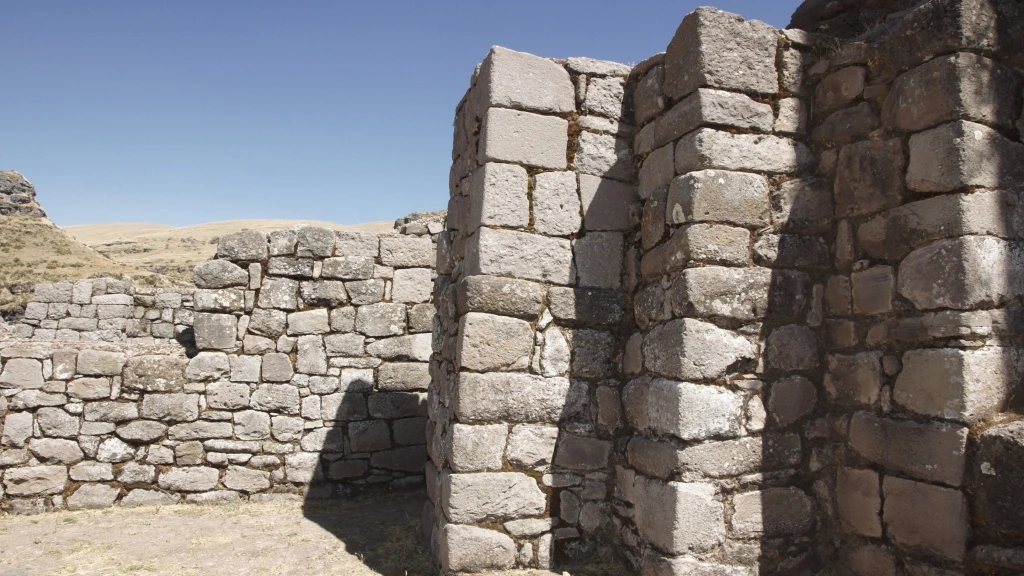
“When the Incas arrived, they designated it as a sacred site, but it was also used for rites and pilgrimages by pre-Inca cultures,” explains the previously cited article. This hypothesis is supported by the presence of doors with triple jambs, because “only spaces with a religious dimension have these three frames embedded within other frames.”
A sacred place with an breathtaking view of the surrounding landscape. I feel privileged to be here, photographing walls of fine Inca architecture, entering several stone chambers, observing the terraces that, besides ensuring food supplies, also served to prevent landslides. I’d love to stay, but “we need to head back now,” Godofredo convinces me.
The afternoon falls. We speed up. We don’t want the night to catch up with us. We don’t want to arrive in Santa Lucía when it’s impossible to find a ride to Pomacanchi. Once again, I glance up at Tayta Inti, hoping he’ll keep lighting our way. He hears me and blesses us, for we barely catch a truck. On the way back, I think about everything I would have missed if I had chosen to stay at the wedding.
April 8, 2025