


Arequipa: The fantastic Route of the Sillar

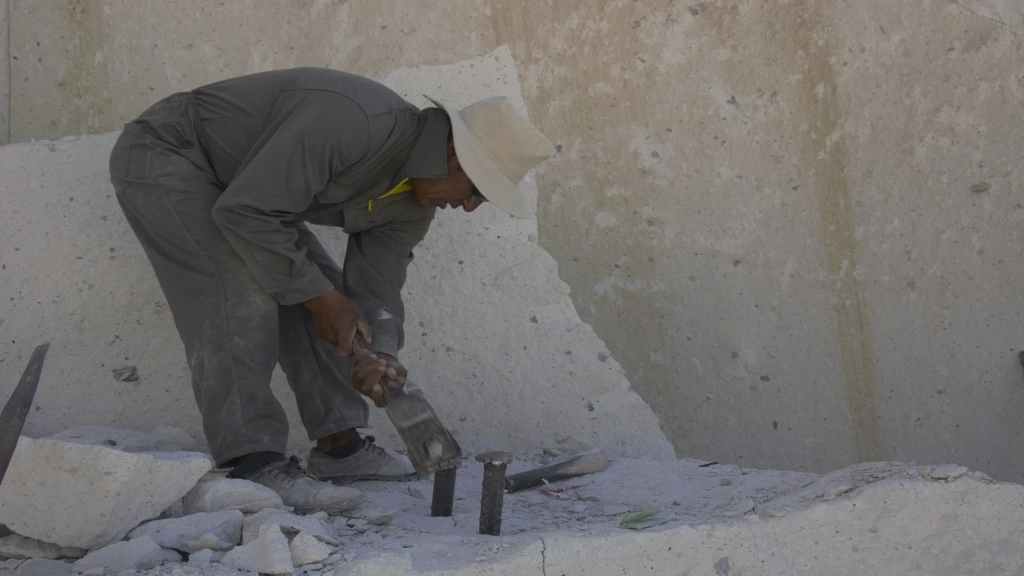
Armed with chisels and crowbars, workers skillfully shape volcanic rocks that will be used to build or rebuild walls and structures in the city and countryside. It’s not an easy job. It’s tough and exhausting, but it’s their craft. Many learned it from their parents or grandparents. Others came out of the need to earn an honest living in a quarry that has now become a tourist stop.
This is understandable because here, sillar is extracted, the volcanic stone that defines the architectural identity of the Historic Centre of Arequipa. This area was declared a UNESCO World Heritage Site in 2001 for being “a masterpiece of the creative integration of European and native features, essential to the cultural expression of the entire region.”
This is one of the criteria behind UNESCO’s decision, but it is not the only one. The construction system and the materials used in its mansions, churches, and convents are also highlighted. The use of sillar is considered a symbol of “the city’s identity.” This unique architecture, combined with the lush countryside, creates a natural and cultural landscape of great value.
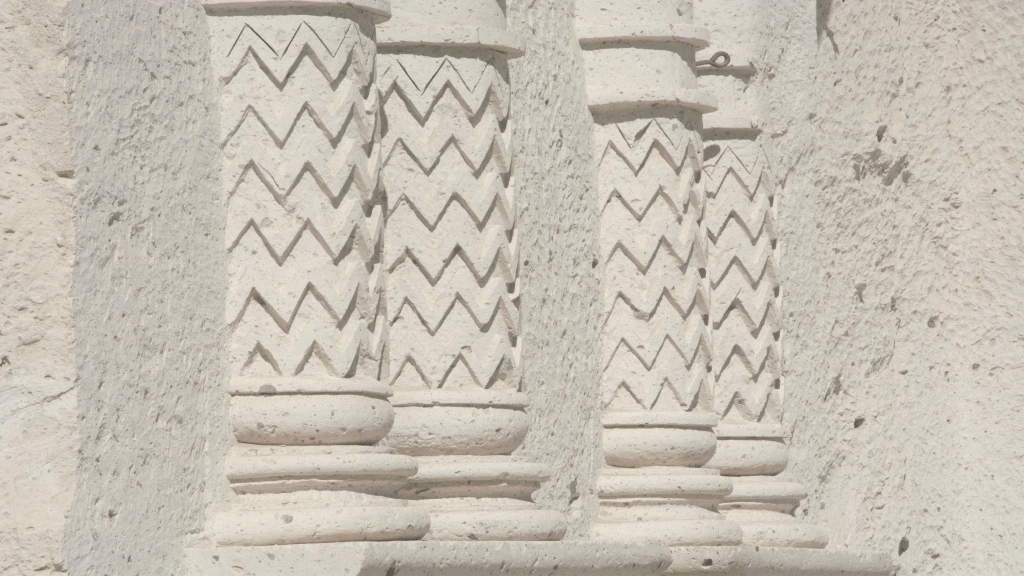
And this material, which is a key part of Arequipa’s identity, is the main attraction of the Route of the Sillar. On this excursion, you’ll learn about the origin of these stones, witness the determination of the men who cut them, hear the sound of the picks raising clouds of whitish dust, and marvel at the sculptures carved into the cliffs, where you’ll take plenty of photos.
Don’t just admire the sillar facades of Arequipa’s Historic Centre. Dare to explore Añashuayco, the main quarry of the “White City,” a city proud of its past, a city that grows under the protection of the Misti, Chachani, and Pichu Picchu, the trio of volcanoes that give this colonial and republican city, founded in 1540, a unique mystique.
What is ashlar?

1.65 million years ago, a volcano that existed before the Chachani and Misti erupted in what is now Arequipa. This process gave rise to the white ignimbrite that forms the vertical walls in the city’s ravines, as explained in the article How was the ashlar formed? by the Geological, Mining, and Metallurgical Institute (Ingemmet) of Peru.
In the text published on the Peruvian State Platform, it is explained that the term “sillar” is locally used to refer to the rock block typically and historically used for construction in the city. Due to the use of this rock for building and decoration, Arequipa is known as the “White City.”
From a geological perspective, the ignimbrite of the Route of the Sillar —waiting for you to explore— is called “Ignimbrita Aeropuerto de Arequipa” due to the proximity of the quarries to the airport. This emblematic rock is composed of ash, crystals, fragments of pumice stones (light and porous), and other types of rocks expelled by a violent volcanic eruption.

That is the origin of the sillar. This sillar is found spread across an area that spans over 600 km², in zones where the districts of Yura, Cerro Colorado, Cayma, Yanahuara, Alto Selva Alegre, Sachaca, and Uchumayo are currently located, as specified in the article we’ve cited, which helps you understand the geological and volcanic processes that created the enormous walls of Añashuayco.
The nearby and accessible quarry in the Cerro Colorado district (2335 m a.s.l.), where the stone cutters have organized to welcome travelers visiting this destination, is located just 40 minutes from the Historic Centre of Arequipa (Entrance fee: 5 soles). From the heart of the city, you can take a taxi or hire the services of a local operator to enjoy this fascinating route.
Sillar Architecture
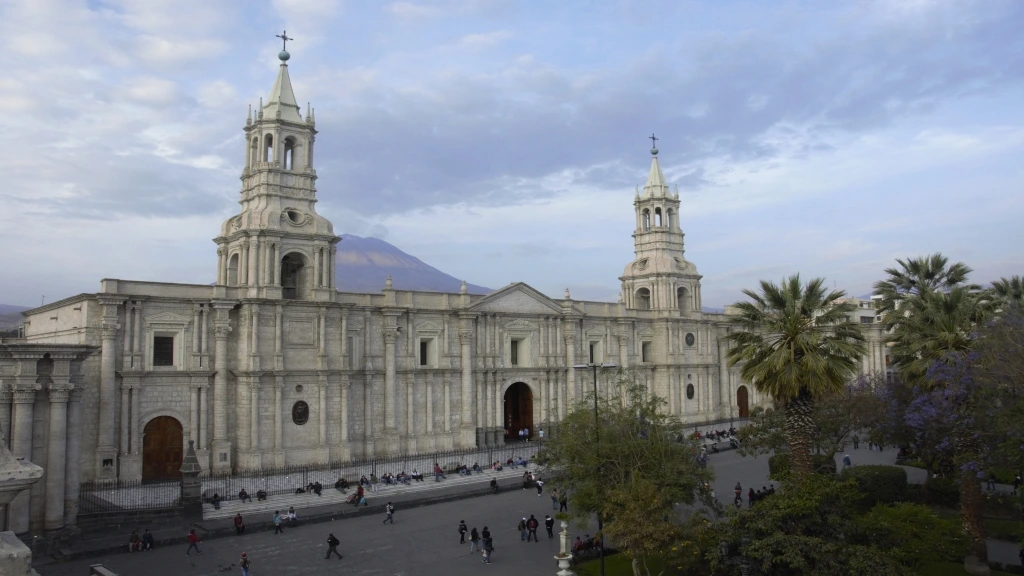
In Arequipa, during the 16th century, in the city founded on August 15, 1540, by Garci Manuel de Carbajal on behalf of the Spanish crown, temples and mansions were built in the Western style. Due to the scarcity of wood and other materials, the master builders and artisans of the time used the abundant volcanic rocks in the area, unknowingly laying the foundations for a unique and incomparable city.
During the colonial era, sillar became a symbol of power and distinction for wealthy families. Their homes, typically featuring two central courtyards surrounded by various rooms (a characteristic style of the city), were built with blocks from the nearby quarries. The same was true for churches and convents, which stand out for their finely sculpted facades.
As you walk through the Historic Centre, you’ll realize that sillar is essential in the city’s main architectural monuments, such as the Cathedral, the Santa Catalina Monastery, the churches of La Compañía and San Francisco, the Goyeneche Palace, the Tristán del Pozo House, and the Yanahuara viewpoint, among other buildings. You’ll also see it in historical constructions in the countryside, such as the Founder’s House and the Sabandía Mill.
Your stroll through the streets of old Arequipa —whether you travel from Cusco by air (time: 1 hour 10 minutes, cost: approximately 300 soles) or by land (time: 10 hours, cost: approximately 70 soles)— will spark curiosity about where sillar comes from and how it is processed. This curiosity was the origin of a successful and nearly unavoidable tourist route.
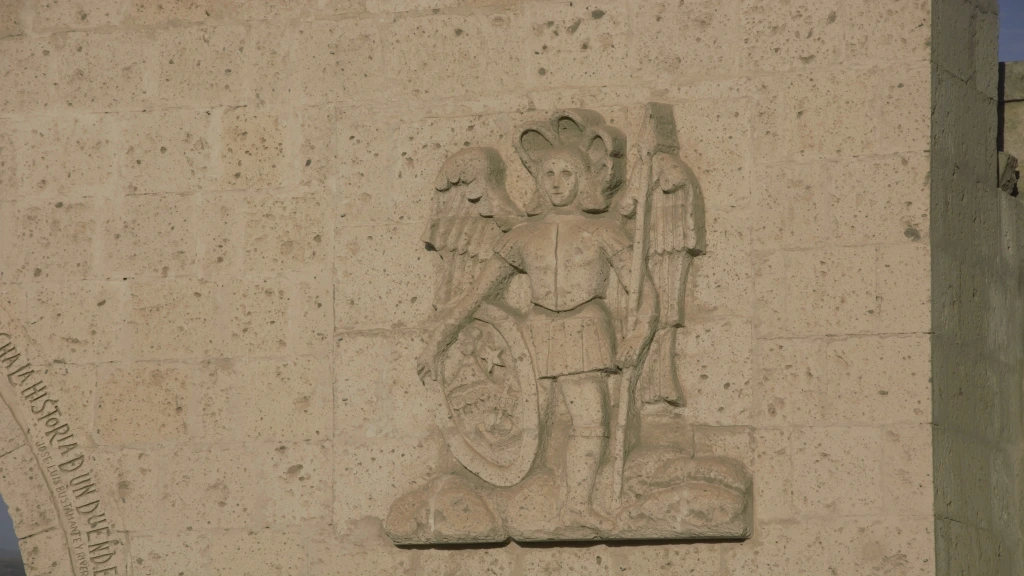
How could you miss the experience of exploring a ravine flanked by volcanic rock walls reaching 30 meters in height, observing the sculptures and representations of colonial facades carved in Añashuayco for the enjoyment of visitors, and conversing with the stone cutters, whose centuries-old craft is recognized as Cultural Heritage of the Nation?
The work of the cutters
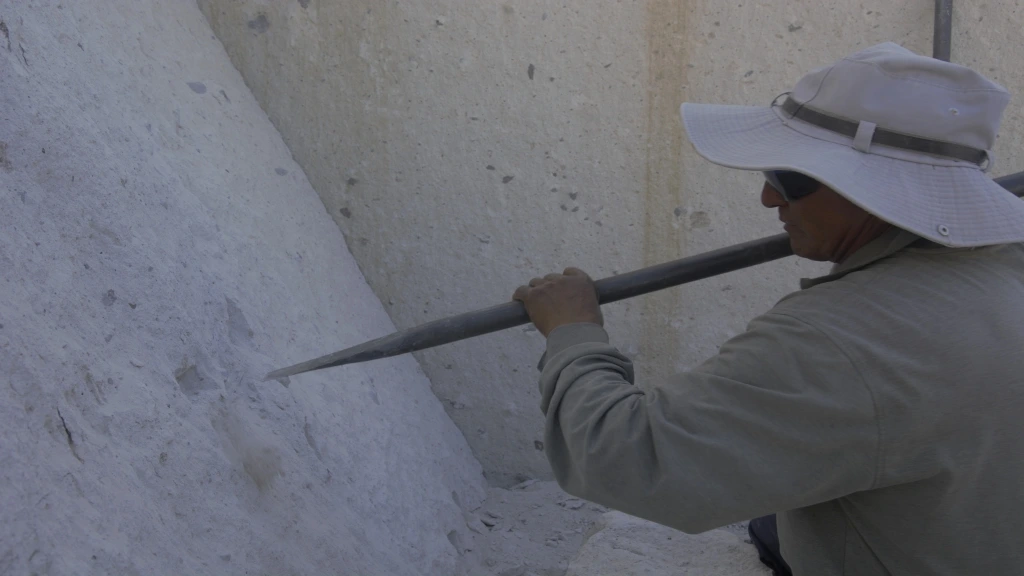
Handicraft work. There are no modern or high-tech machines here. Tradition is respected, and only basic tools are used: picks, chisels, combas (a type of hammer), and templates (a kind of ruler for drawing lines and setting dimensions). These are the basic tools used by the cutters of the Tourist Association of Sillar Cutters and Artisans.
As part of their work, the master cutters first create a crack in the blocks of sillar that they extract from the quarry. Then, with the precision and skill that comes from experience, they shape a rectangular block, similar to a brick. If they strike the rock too forcefully or in the wrong place, it will break or fragment, and all their effort will have been in vain. They will have to start over.
Yes, starting over or doing things differently, as they did a few years ago when they organized to “open” the Añashuayco ravine to tourism, located in the domain of the Chachani volcano. Today, sillar is used less and less in modern constructions, so it was necessary to reinvent themselves to ensure that their craft —so ancient and traditional— wouldn’t be lost in this globalized world.
Their idea was a success. The Route of the Sillar is one of the most popular half-day excursions in the “White City.” The itinerary includes a visit to the extraction area in Añashuayco, workshops of the artists who sculpt the sillar, and finally, a tour of the untouched Culebrillas quarry. This will impress you with its geography and the petroglyphs carved into its cliffs during pre-Inca times.
Now you know, escape to the quarries. This will help you better understand the monumental essence of the Arequipa region and city, one of Peru’s main tourist destinations, known for its magnificent colonial architecture, excellent gastronomy, and its coastal and Andean natural landscapes. These are just a few of the many reasons why you should include this land of volcanoes in your itinerary.
January 5, 2025