


From Cusco to the Sea: A Getaway to the Pacific
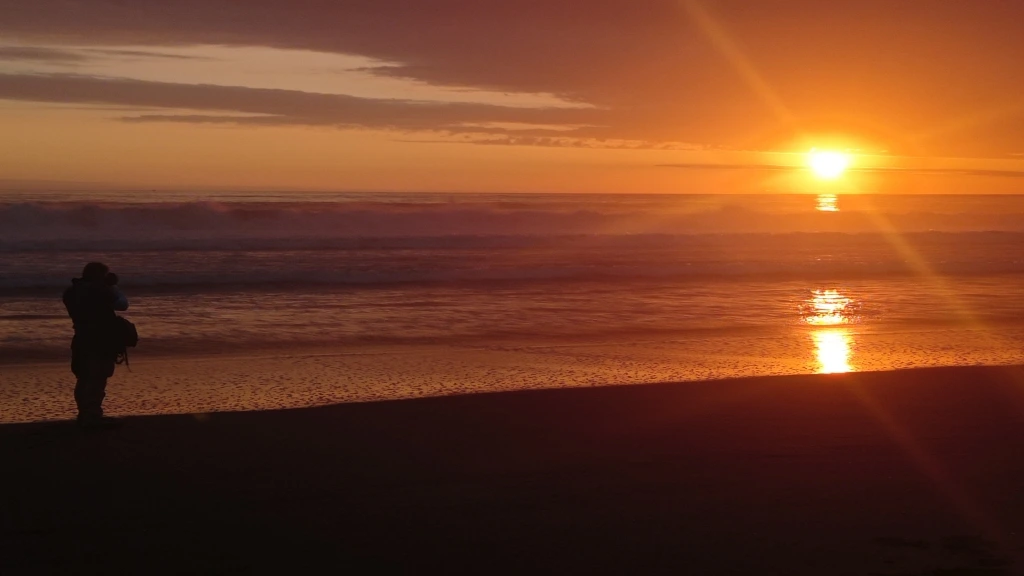
From the Mountains to the Sea. From the Apus to Mama Cocha. From the Andes to the Pacific. Everything changes in just a few hours. Everything is different when you step off the bus: the landscape, the customs, the climate, and even the way people speak and dress. Here, altitude sickness is no longer a threat, and the highland wind (wayra) is just a gentle breeze. Here, the Inti (sun) of the mountains sets into the ocean’s horizon.
From the Andean Peru to Coastal Peru. From Cusco at 3,400 m a.s.l. to the proud city of Arequipa (2,335 m a.s.l.), a region renowned for its volcanoes and canyons, its sillar architecture, and the flavours of its picanterías. Also known for the graceful stride of its vicuñas and the soaring flight of its condors. These are the attractions that draw the majority of tourists, but none of them will be described in this text.
We’re heading to the sea from Cusco. Join me on this getaway that will give a new twist to your Andean holiday. Because Peru is not just mountains and plains. It is so much more. It is sand, waves, and coastal relaxation. It’s sailing to hidden beaches while watching birds, dolphins, and sea lions. It’s spicy ceviche, battered lapas, and seafood stew in the coastal provinces of Camaná and Islay.
An Arequipa without volcanoes, but with cliffs and coves, where the demanding hikes in the Colca and Cotahuasi canyons turn into laid-back strolls along the sands of El Chorro, La Punta, Catarindo, Mollendo, and Mejía. While the challenges of the Chili and Majes rivers are replaced by serene kayaking trips that will take you to coastal corners that will be just for you.
And on this getaway —your getaway— you won’t see condors from a viewpoint on the edge of a canyon, but you will encounter a rich diversity of birds amidst the greenery and the water mirrors of a natural sanctuary that stretches all the way to the sea’s edge. How does that sound? Tempting, isn’t it? It calls to you. You might take a day or two of your holiday to enjoy Mama Cocha in Arequipa.
If your answer is yes, this text will serve as your guide for both winter and summer. If you’re unsure, I’ll try to persuade you with my words and images. And if you’re convinced that you won’t go… well, that’s fine too! You’re still welcome to read on. After all, life and travel take unexpected turns, and it’s well known that you should never say never. We’re heading to the sea. See you by the sea.
To refresh yourself in the ocean
By air or by land? Save time or save money? That’s the dilemma you’ll need to solve before embarking on your getaway. If your schedule is tight, the best option is to fly from Cusco to Arequipa (1 hour 30 minutes, approximately 240 soles); but if your credit cards are near their limit, get ready to travel 485 kilometres by road, taking roughly 10 hours (cost: 75 to 115 soles).
If you choose the budget-friendly option, you’ll board the bus at the Cusco bus terminal (Avenida Vía de Evitamiento 429). Night departures (between 7:00 p.m. and 10:00 p.m.) are excellent alternatives, as they not only save you a night’s accommodation, but you’ll also arrive early at Arequipa’s bus or land terminal, where buses to the coastal provinces depart (there are also shared taxis that leave from their own designated stops).
Flights depart in the mornings and afternoons from Alejandro Velasco Astete International Airport and land at Alfredo Rodríguez Ballón International Airport. If your plan is to head straight to the sea and the waves of the Camaná or Islay provinces, take a taxi to the terminal or land terminal (11 km, 30 minutes, costing between 30 to 40 soles).
At last, the ocean is getting closer. You get to choose whether to head to Camaná (3 hours, 40 soles) or Mollendo (2 hours 30 minutes, 20 soles, approximate price), the two beach destinations most frequented by people from Arequipa. A word of caution: in summer, avoid travelling to the coast on weekends. The beaches get crowded, making it hard to fully enjoy the natural beauty and tourist services in peace.
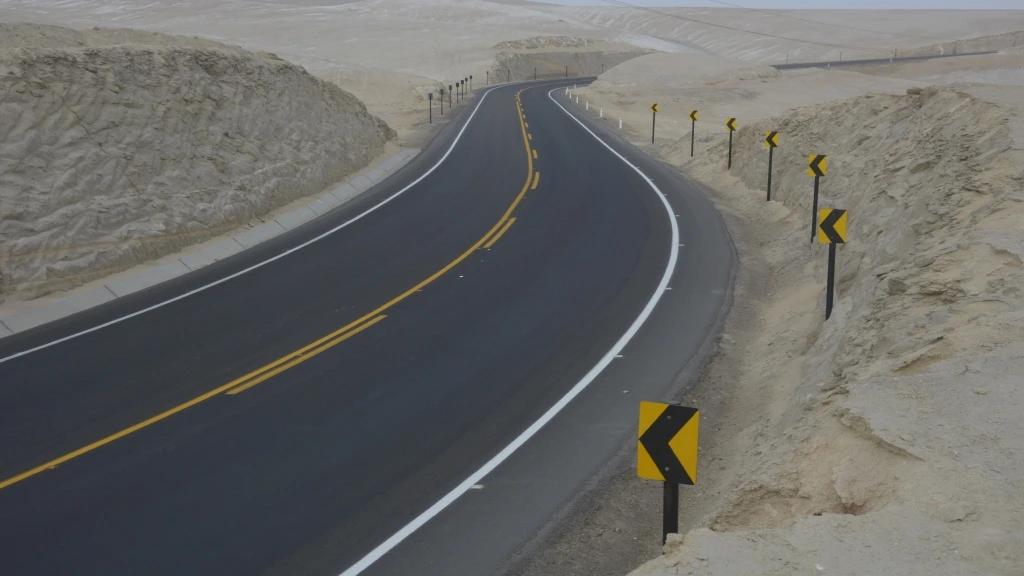
From Monday to Friday, the crowds are smaller (hotels will have rooms available, and prices will drop). Fewer people means more enjoyment. If you’re looking to fully relax and have several days to spare, it’s a great idea to head to Camaná and, from there, take a scenic coastal drive along the Costanera, a paved road that hugs the Pacific coast all the way to the neighbouring regions of Moquegua and Tacna (the border with Chile).
Adventure at Sea
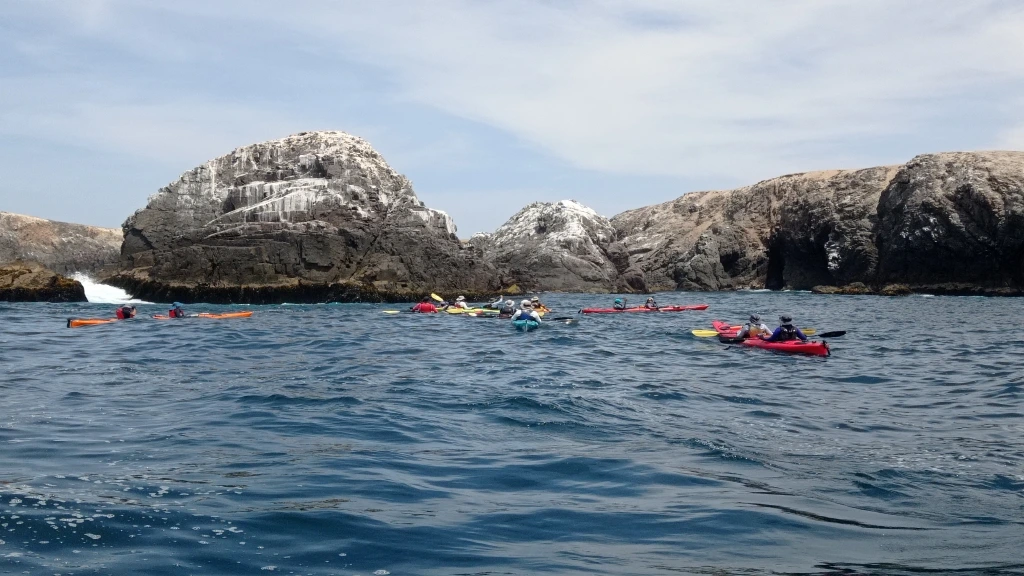
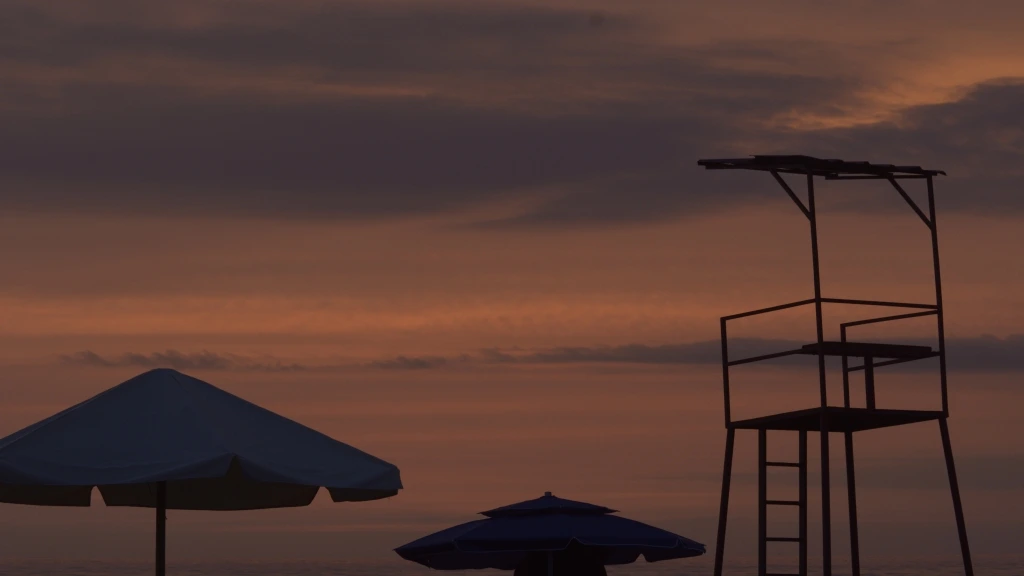
A wild beach or a serene cove. A lively, festive resort in the summer or a clear, solitary shoreline year-round. A day of relaxation on the sand under a protective umbrella or an intense journey to a marine reserve with extraordinary views. What will you do? Which option will you choose? What will your “sea menu” be along the coast of Arequipa?
The options are wide and varied. In Camaná, the beaches of La Punta and El Chorro are the most popular due to their proximity to the urban area. Very lively on hot days, they’re perfect if you enjoy movement, excitement, and a bustling atmosphere. If you prefer quieter spaces where you can connect with nature, your place is Quilca, a district and artisanal port located 40 km to the south.
Tucked away between some cliffs, it is said that in this port Admiral Miguel Grau hid the Huáscar, the legendary monitor ship he commanded during the War of the Pacific (1879–1883). The exploits of this modest vessel caused alarm in the powerful Chilean navy, until the ship was captured by the enemy during the Battle of Angamos on October 8, 1879.
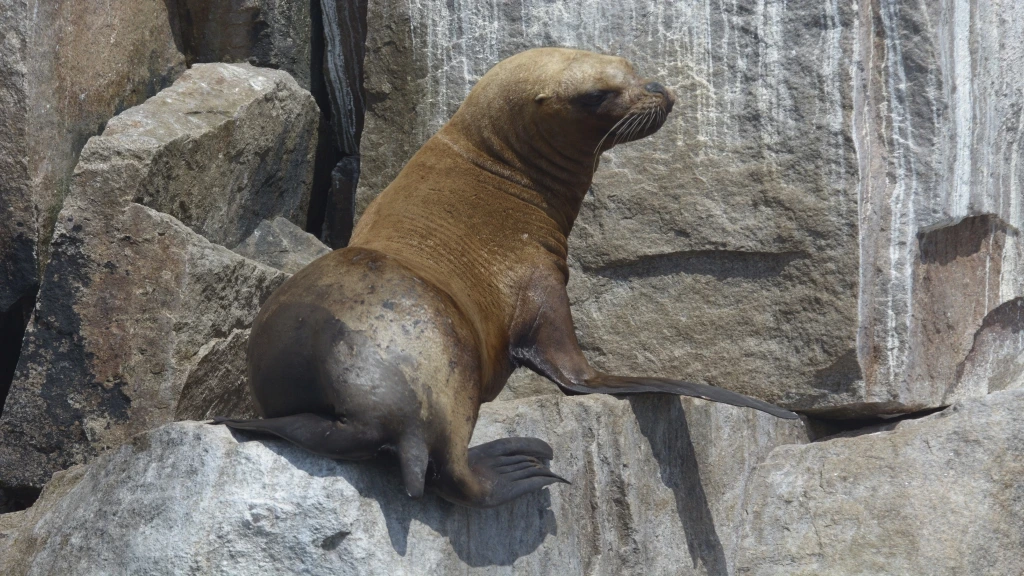
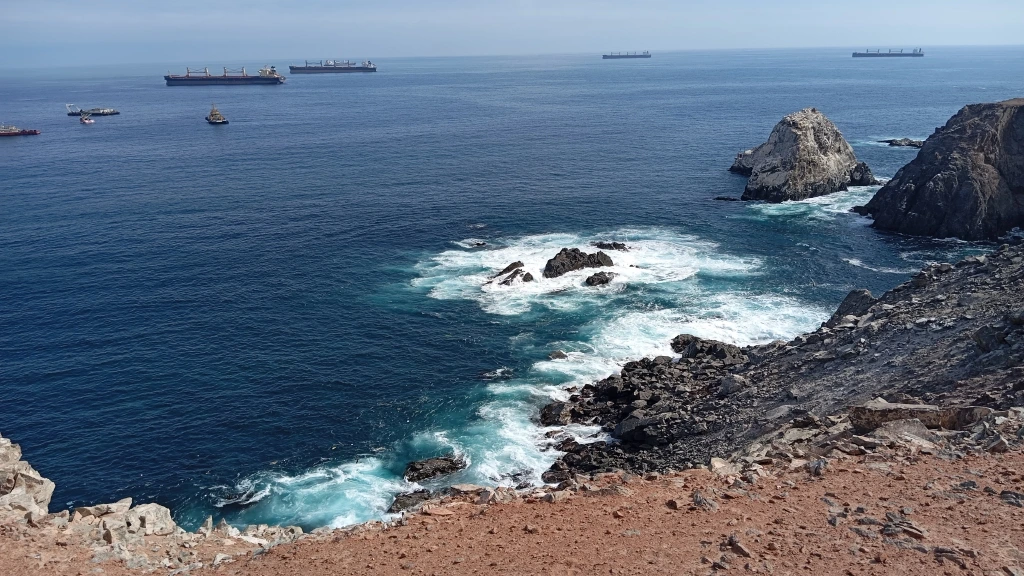
Truth or myth, what’s certain is that Quilca is the perfect place to set sail towards a series of coves, such as San José (where there’s a lodge), La Francesa, Honoratos, and Arantas, among others. Also towards Punta Hornillos, a fantastic marine spot that is part of the national reserve Sistemas de Islas, Islotes y Punta Guaneras, created to protect the biological diversity and ecosystems of the Peruvian coast.
Sailing. Feeling the gentle sway of the Pacific. Watching dolphins play. Dropping anchor in the coves. Exploring. Swimming in calm, wave-free waters. Returning to sea in search of rocky outcrops and a small island. Time to contemplate sea lions, Humboldt penguins, cormorants, pelicans, seagulls, and terns, just to name a few species.
From Quilca to Mollendo
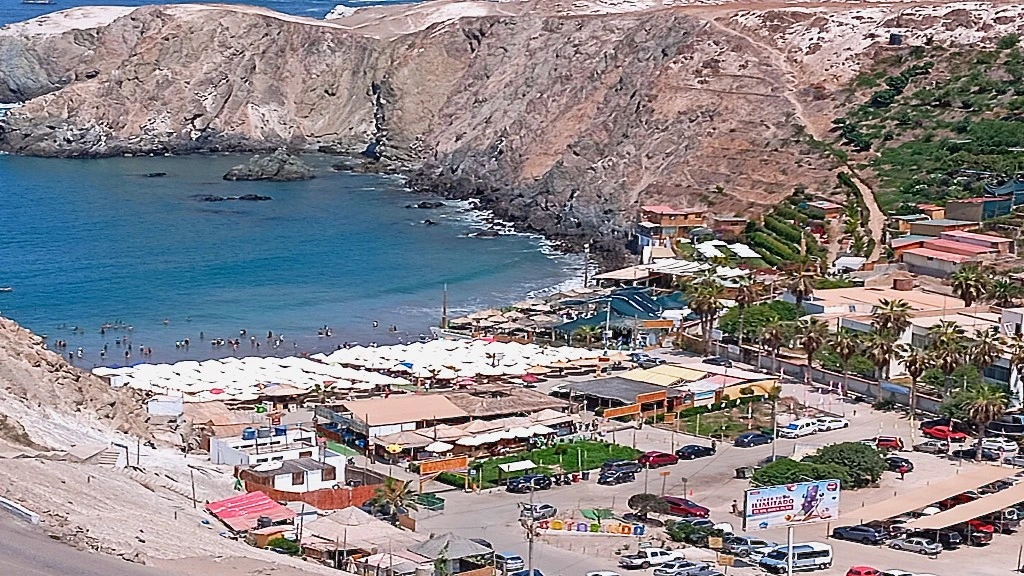
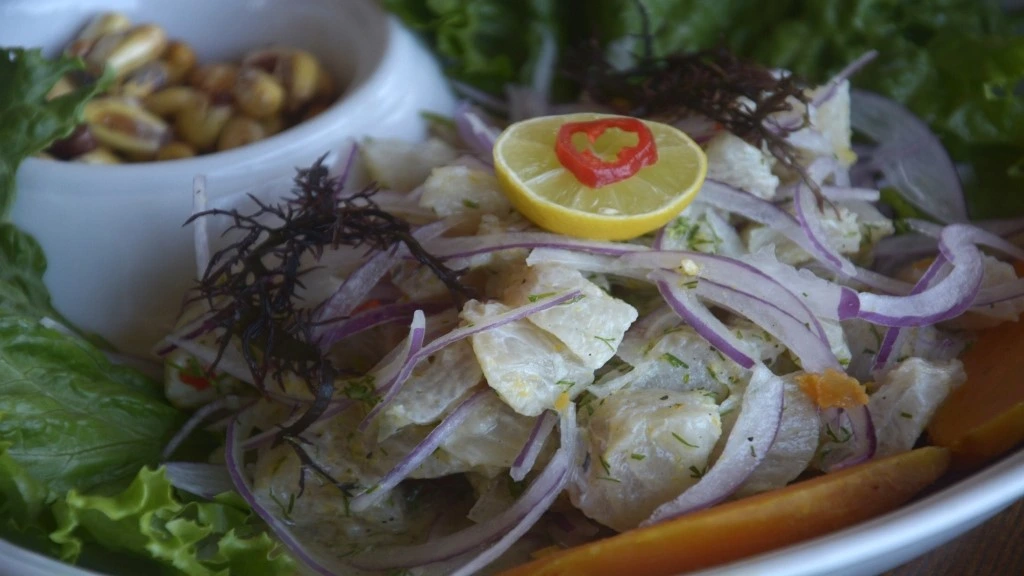
Return to Quilca. A new dilemma: go back to Camaná and try the flavours of the artisanal port, or continue along the Costanera towards Matarani and Mollendo (in the province of Islay). Patience. No rush. The best thing is to have lunch first. Enjoy some marine cuisine with fresh fish and seafood. A festival of flavours with signature dishes such as ceviche, parihuela, jalea, or chicharrón.
Now, ready to continue the journey; but before you set off, let me offer a recommendation: if you want everything to be more relaxed, hire the services of a local operator or rent a vehicle. That way, you’ll avoid waiting and the hassle of getting on and off public transport. Now that that’s clear, it’s good to know that Quilca and Mollendo are 73 km apart (around 1 hour 30 minutes).
On your way to your final destination, the road crosses the district of Islay, home to Matarani, Arequipa’s main port. If your itinerary allows, make a stop to take in the coastal panorama and the Albizuri Islands from the lighthouse. Just like in Quilca, from the private Océano Seafood dock, you’ll find boats departing for the coves.
The distance between the district of Islay and the bustling port of Mollendo is 14 kilometres. Before you get there, take a detour to the caleta Catarindo. This hidden beach with calm waters is one of the most popular for its scenic beauty. Along its shores, you’ll find restaurants and even accommodation. Here, be sure to try the creamy perol de mariscos (seafood stew). You’ll love it!
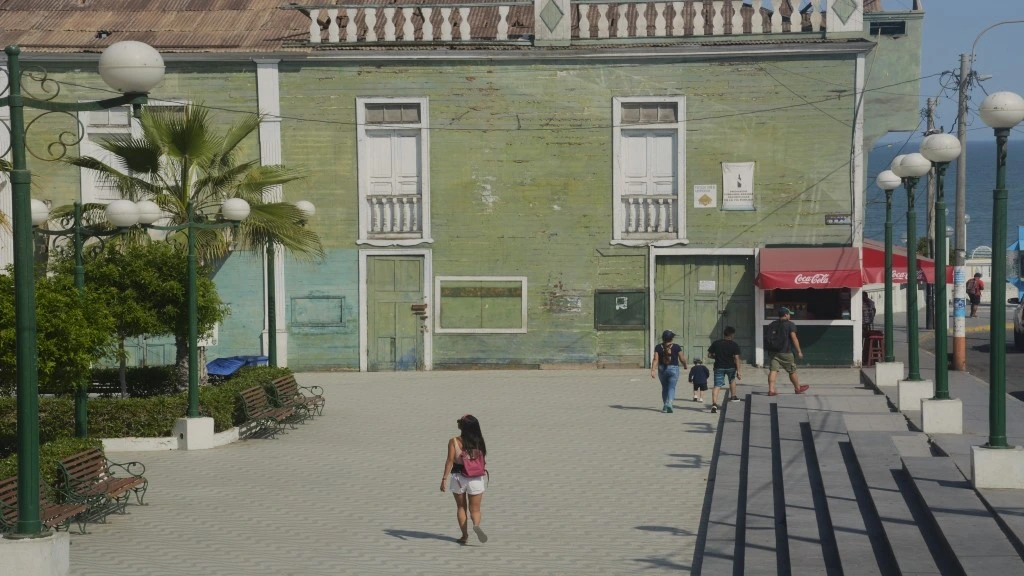
Once in Mollendo, explore its streets, its plazas —Grau and Bolognesi—, the old train station —now a cultural centre— and the Ratti promenade. You’ll be left in awe by its colonial-era mansions, which give the town a charm of an old port. Many of these buildings are true architectural monuments from a time that has passed, but which must be preserved, standing strong against the passage of time and the misunderstood rush of modernity.
Of Lagoons and Birds
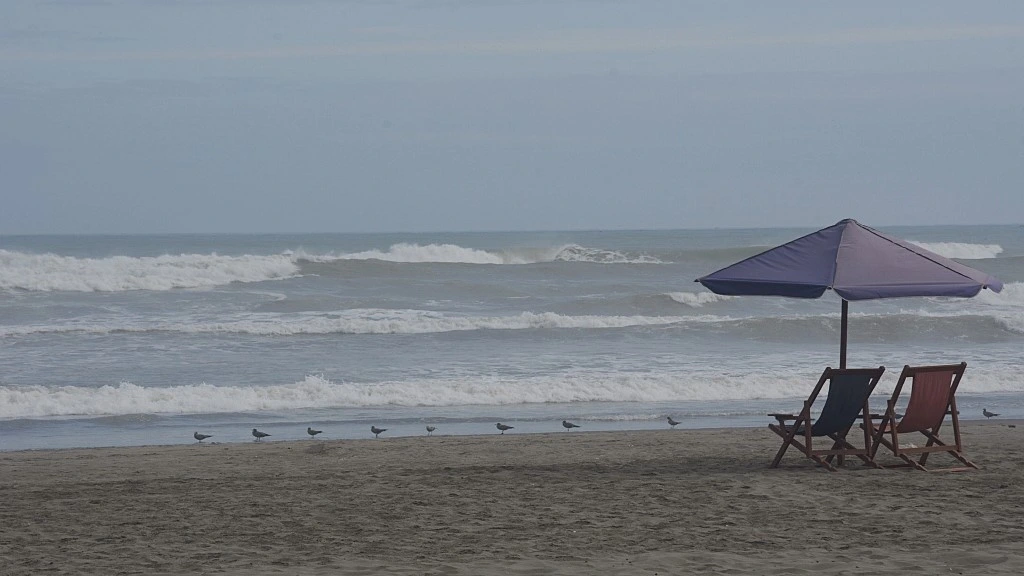
Just like in Camaná, Mollendo is crowded with tourists on summer weekends. The First, Second, and Third beaches are the most popular. This coastal area features a scenic promenade, and perched atop a hill is the Forga Castle. Built between 1908 and 1910, it is the symbol of the city. While its state of preservation is poor, it continues to attract the interest of both locals and visitors.
However, your journey shouldn’t end in Mollendo, the “Puerto Bravo,” so named for the power of its waves. Before heading back to the heights of Cusco or Arequipa, extend your getaway to Mejía (15 km away), a traditional district, a seaside resort with charming pinewood houses and modern buildings. In this haven for the region’s wealthier families, carnival celebrations are particularly memorable.
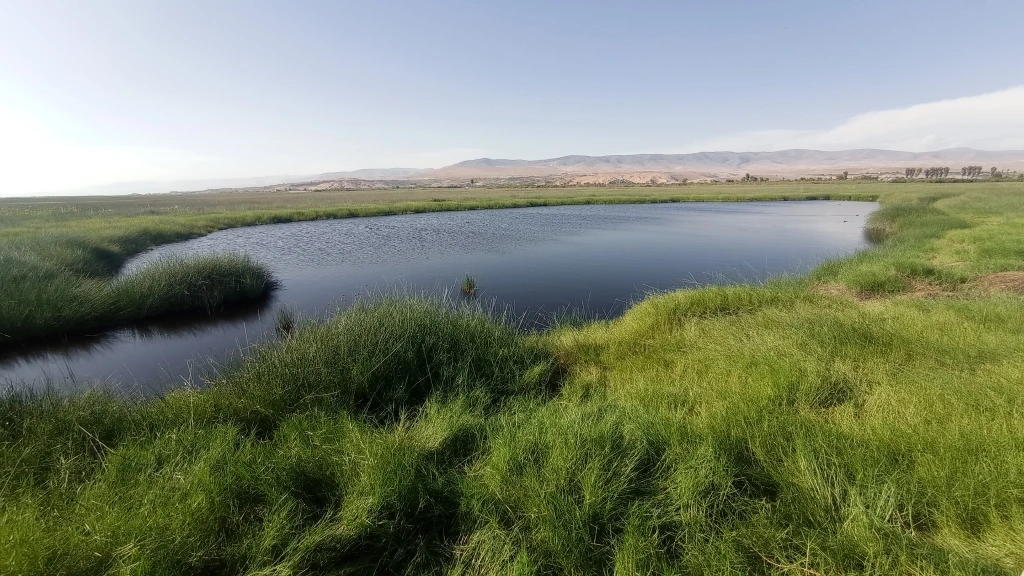
And if you’ve made it this far, venture further to the Santuario Nacional Lagunas de Mejía, just 10 kilometres south. This protected area, spanning 690 hectares, features totorales (reeds), swamps, riverine forests, gramales (grassy fields), and sandy beaches. It’s considered one of the most important wetlands along the Peruvian coast and was designated a Ramsar Site in 1992.
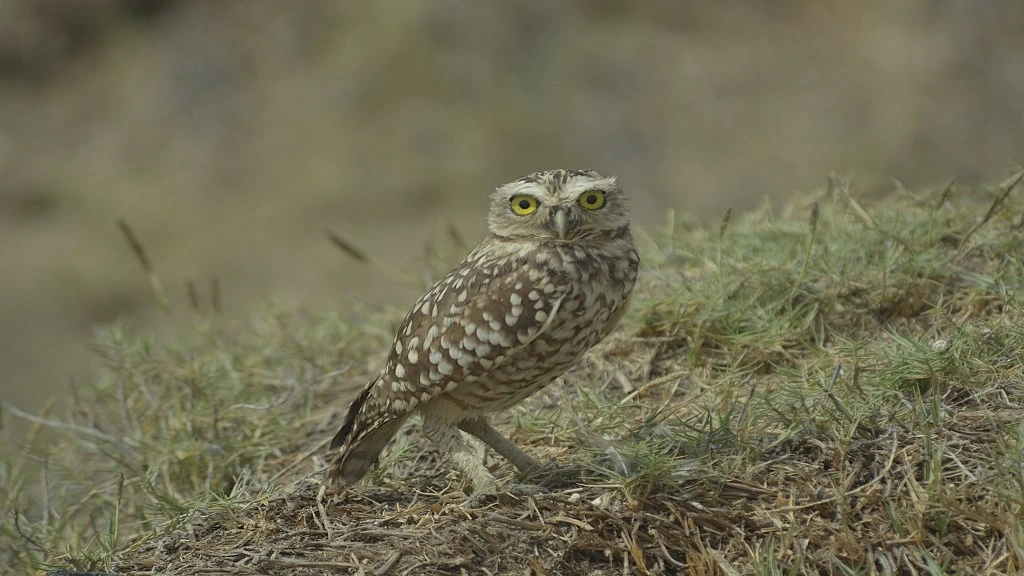
That’s what the Servicio Nacional de Áreas Naturales Protegidas por el Estado (Sernanp) reports about this sanctuary, which is perfect for birdwatching. Get your binoculars ready to spot zambullidores (divers), herons, seagulls, peregrine falcons, and huerequeques (a type of owl), among just some of the 211 species recorded, both resident and migratory. (Entry fee: 30 soles for foreigners, 15 soles for nationals).
The birds fly, the hours and days fly by in front of the sea. But that won’t happen with your memories. They’ll stay with you, always motivating you to return to the beaches, the coves, and the fishing villages of a coastline that is breathtaking, whether bathed in sunlight or shrouded in mist. There’s no way you can go wrong, you’ll never go wrong by the Pacific. If you have any doubts, take a few days off from Cusco and come to the Arequipa coast. We’ll meet by the sea!
October 30, 2024