


Cusco: Espinar, a wonderful destination
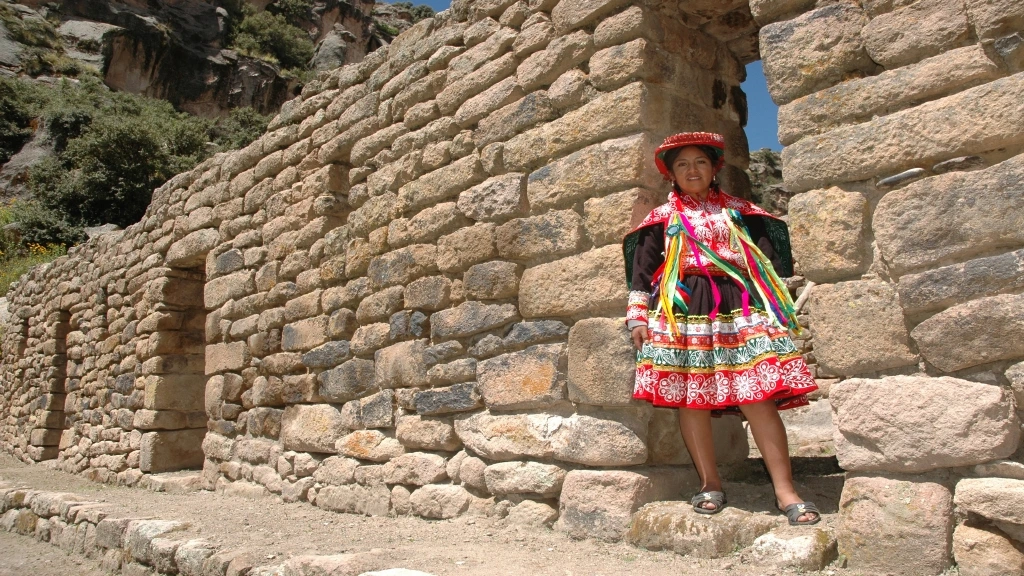
“Espinar, the other wonder of Cusco.” Is this slogan true, or was it just a clever phrase to attract tourists and travellers eager to explore new routes? Well, I’m one of them, so when I saw the promotional poster of this high-altitude province—really high altitude—at the bus terminal in Puno or Arequipa, my curiosity was piqued. I can’t quite remember where exactly it was.
What I do remember, though, is that a few months later I would be travelling to Espinar—a land known for its mining activity—to see for myself if the poster revealed a truth or was just a trick. What I remember is arriving in Yauri, the provincial capital (3,924 metres above sea level), which would be my base and starting point. What I remember are my adventures across the challenging geography of “the other wonder.”
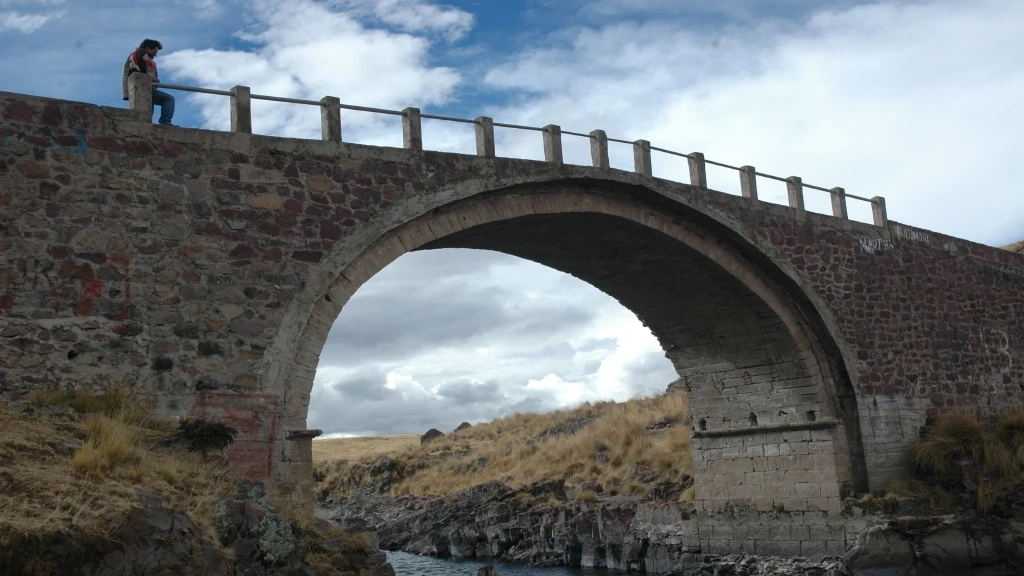
And as I’m reminiscing, I’ll take this moment of traveller’s nostalgia to share my experiences among winding rivers and forests of queñuales (an endangered Andean tree), my wanderings across pampas where the wind makes the tufts of ichu grass (the high-altitude grass) “dance,” and my steps through time in pre-Hispanic sites, as well as in colonial bridges and churches.
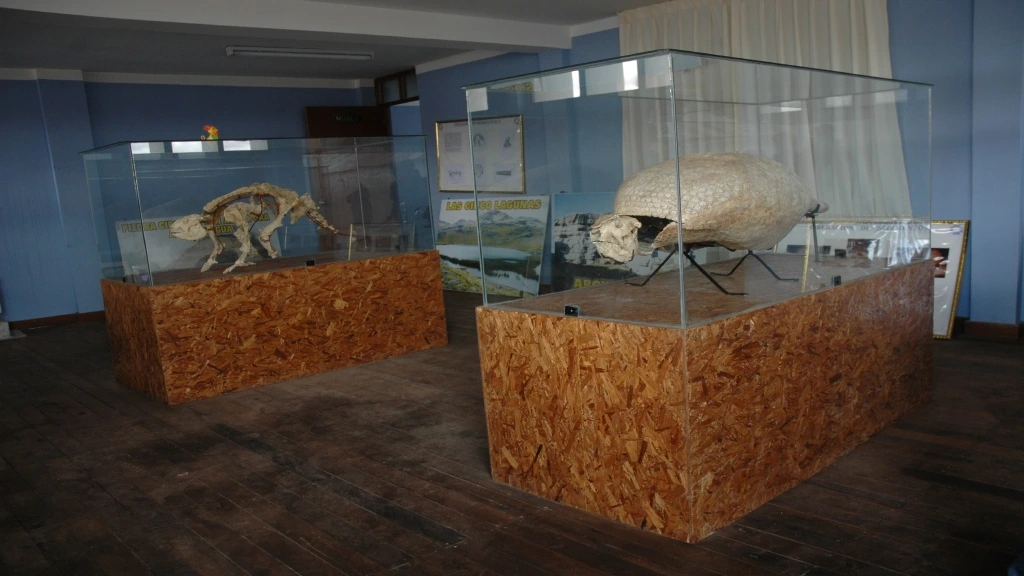
Is that all? No, there’s much more than that. In Espinar, I would feel like a paleontologist when I saw the fossil of an armoured mammal from the Pliocene. Yes, I was astounded in front of the gliptodonte from Alto Pichigua, a giant and distant relative of the armadillos. My reaction was similar to learning that more than one farmer, while ploughing their fields, discovers remains of animals that lived on the planet millions of years ago.
Incredible, but true—so true that the “other wonder” is considered by experts as a “paleontological site.” How could it not be, when the skeleton of a toxodonte was discovered during excavations for the construction of the Yauri stadium in 2005, marking it as the first fossilized mammal found on the Peruvian Andean plateau, as noted in an article from the Andina news agency.
There are many tourist wonders in the province of Espinar, as the poster I saw at the bus terminal promised, as this entry you’re reading reveals. I hope the end result is the same. I’d love for you to pack your bag and head towards a destination that only a few dare to explore.
Let’s head south of Cusco
You want to visit Espinar, but you’re worried that this “getaway” might complicate your itinerary. Let me tell you, that won’t happen. If your travel plans include visiting Cusco, Arequipa, and Puno—regions that make up the famous Southern Circuit, the most popular in Peru—you’ll just need to add one more stop to your route, because the “other wonder” is accessible by land from all three regions.
The journey to Yauri from Cusco (the distance is 241 km) takes approximately 4 hours. After exploring its attractions—over one or more days—continue on to the Colca Valley and Canyon, the main attraction of Arequipa (less than 4 hours), or head to Puno, with a journey of around 5 hours that will take you to the shores of Lake Titicaca, the highest navigable lake in the world.
Buses to Espinar depart from the old Incan capital, Cusco. They leave in the afternoons and evenings from the Terminal Terrestre (Avenida Vía de Evitamiento 429). The approximate cost of the ticket is 30 soles. If you prefer to travel during the day, head to Wanchaq and catch the colectivos to Sicuani (3 hours, 8 soles), where you’ll find public transport to Yauri (2 hours, 10 soles).
Once you reach your destination, you won’t have any trouble finding accommodation. While Yauri is a small town, it has several hotels, hostels, and lodgings, thanks to its mining activity. Don’t expect a five- or four-star hotel. Think simple rooms, but with everything you need to enjoy your stay comfortably, though without luxury.
The same goes for food. The restaurants offer affordable set menus and various à la carte dishes. There are also street food stalls. It’s not a bad idea to try the powerful drinks made from maca or quinoa, and don’t miss out on the delicious roasted lamb, a festive dish where the meat is cooked in a traditional oven. It’s served with moraya (dehydrated potato) and uchukuta (spicy sauce).
A hero and three cannons in Espinar
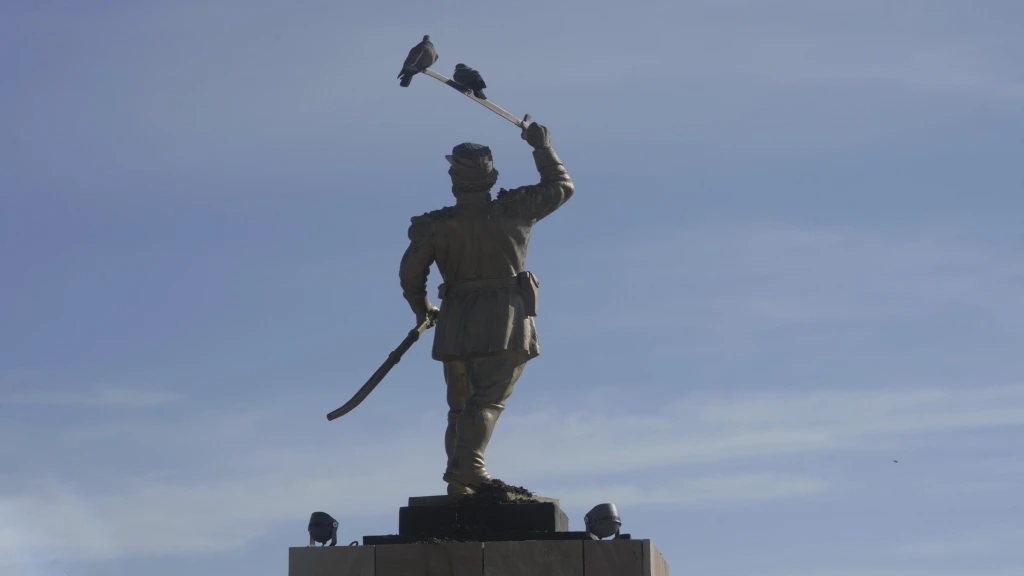
Now that you’re in Yauri, you’ve already walked around the square and visited the colonial church of Santa Ana, built on an Incan huaca. You’ve felt the strain of the altitude, and you’re eager to explore the three canyons of Suyckutambo, the main wonder among all the other marvels of Espinar, recalling the phrase from the poster I mentioned earlier.
What I haven’t shared with you until now is that the province is named Espinar in honour of a Cusco military officer who died heroically at the Battle of San Francisco during the War of the Pacific (1879-1884). The bravery of Commander Ladislao Espinar was recognised by his enemies, who gave him a respectful burial at the place where he fell, sword in hand, fulfilling his duty.
But in these peaceful times, you’ll only be wielding your camera to fulfil your “duty” of capturing a fantastic route that leads to the watersheds of Callumani, Cerritambo, and Apurímac—the river of the god that speaks in Spanish—the cliffs that surround these waterways, and the forests of queñuales in the Tres Cañones Regional Conservation Area (ACR).
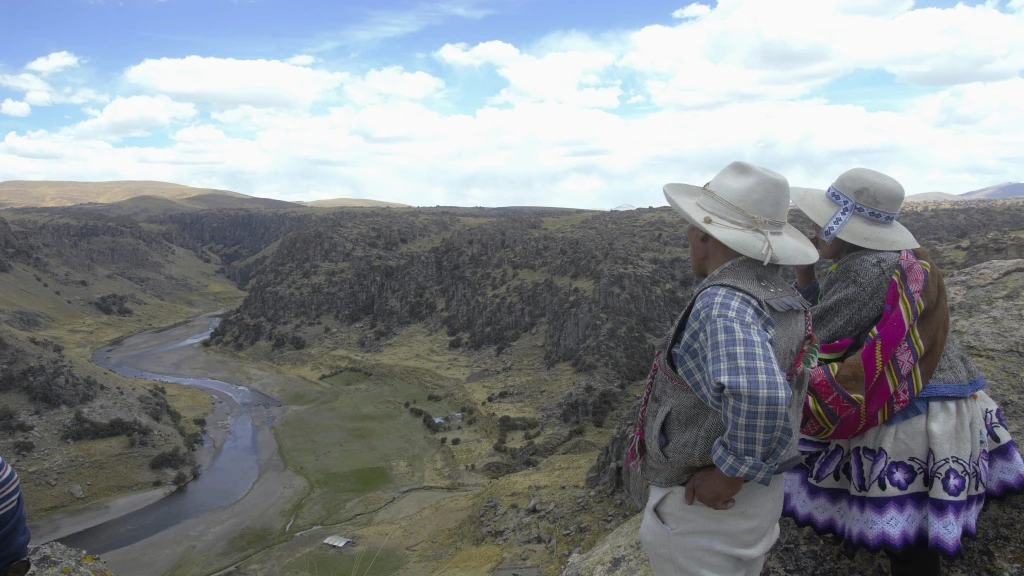
With an area of 39,485 hectares shared by the districts of Coporaque and Suyckutambo, the ACR (Regional Conservation Area) was created in 2017 with the goal of securing and conserving biodiversity, the natural environment of the landscapes, cultural identity, and monuments that showcase the greatness of the pre-Hispanic civilizations that once settled in this seemingly hostile geography.
But it’s well known that appearances can be deceiving. So don’t hesitate to travel to Tres Cañones from Yauri. The approximate distance is 40 km (about an hour without stops), and I recommend renting a vehicle so you can visit Mauka Llaqta and Taqrachullo, or María Fortaleza. If that’s not possible, look for the colectivos heading to the village of Suyckutambo (around 10 soles).
Between Canyons and Pre-Hispanic Sites
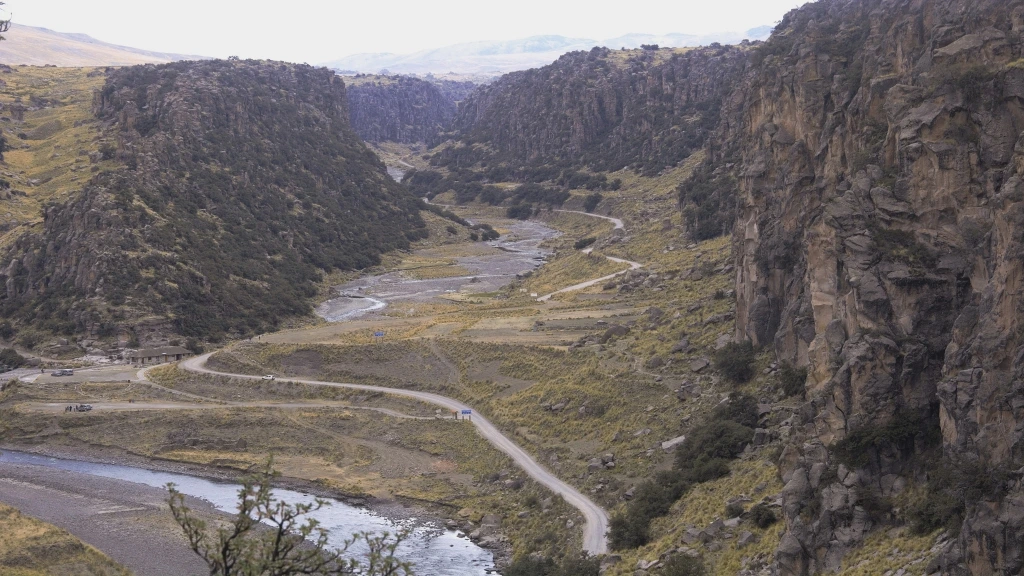
Two rivers that become one. Two rivers that, by feeding the flow of the Apurímac, turn into three. Yes, now there are three, and all three are surrounded by towering cliffs. The rugged landscape is softened by the lush green of the queñuales, a heroic species that defies the height, a tree essential to the Andean ecosystem because it controls erosion and captures water from the environment.
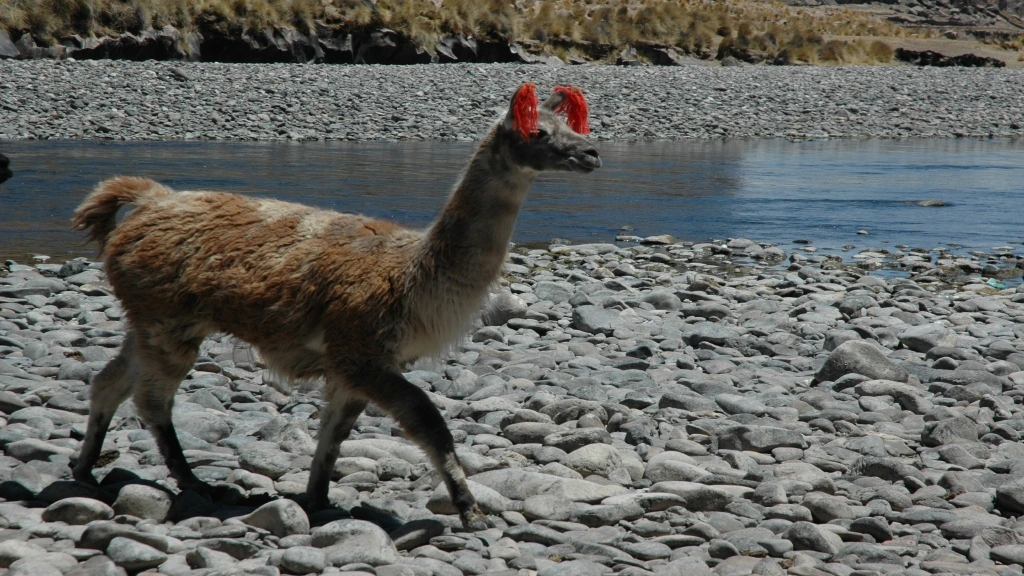
You’ve reached your destination. You’re now at the foot of the three canyons of Espinar. You’re gazing at a natural setting that is home to an extraordinary diversity of plant species (tolas, ichu, puyas Raimondi) and Andean wildlife (foxes, vicuñas, pumas, vizcachas, tarucas, llamas, and alpacas). You’re walking, exploring, and feeling small in the face of the magnificent geography of Suyckutambo.
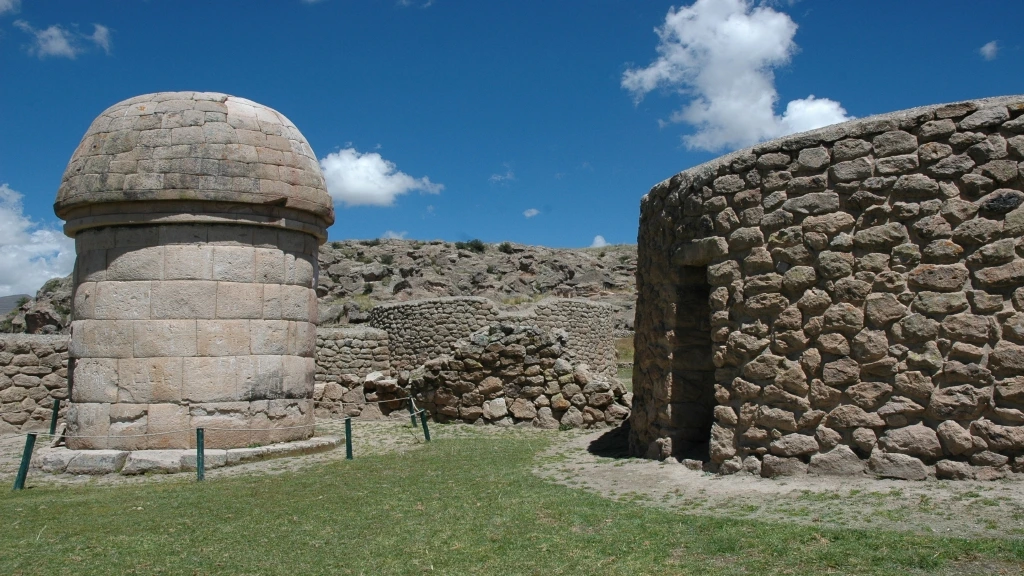
It’s hard to believe that just a few minutes ago, you were observing the canyons from Taqrachullo (4,038 meters above sea level), an archaeological site that stretches up to the top of a cliff. Circular and semicircular enclosures, chullpas (tombs), kallancas, and stone stairways are part of a historical attraction once occupied by the qaluyo, the first great culture of the Altiplano. María Fortaleza, as it is also known, was revitalized in 2024.
In this place, every step brings you closer to the past and the peoples who once inhabited these spaces, such as the Wari, the Collao, the Canas—natives of what is now Espinar—and, of course, the Incas. They left traces of their architecture in Mauka Llaqta, a must-see stop on the route to Suyckutambo. Here, a circular chullpa with a vaulted roof stands out.
Marvelous—that’s what you’ll think as you take in the whimsical, strange, and perhaps even intricate geography of Espinar, whether from the highest point of a cliff or at the foot of the canyons. In those moments of adventure and contemplation, you won’t mind the cold wind or the threats of soroche (altitude sickness). You’ll only want to enjoy the view and savor every second in a destination that wasn’t even in your plans.
March 8, 2025