


Biodiversity: Encounters with Peruvian wildlife
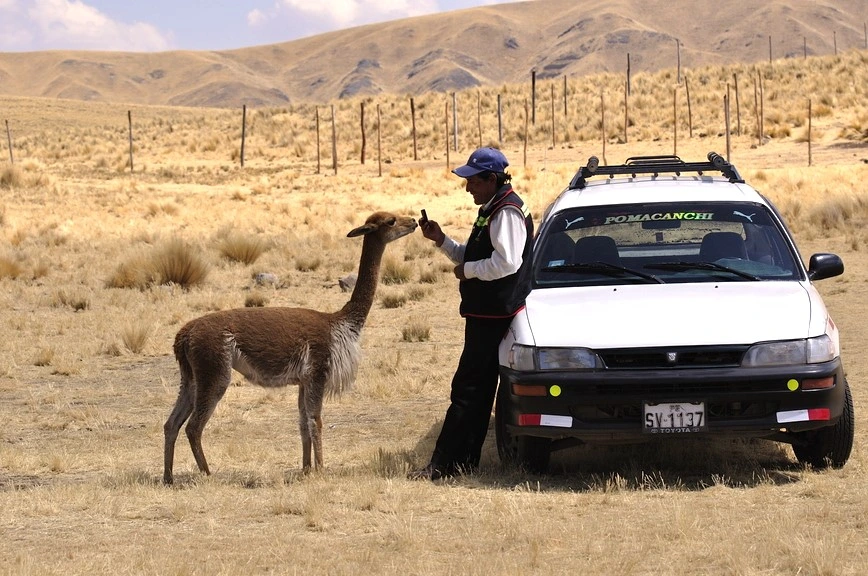
In the air, in the sea and on the pampas… and yes, even in the forest, you need to look around with the eyes of an explorer. Because what you’re searching for might appear here… or there. All it takes is patience and, quite often, a little stroke of luck to reach your goal. At other times, it’s much easier — no way you’ll miss it. One way or another, you’ll get that special sighting and the photo ready to share on your socials.
No, don’t get me wrong. You haven’t just read a tongue-twister, a riddle or even nonsense. I’m simply describing what may happen — or what will happen (that depends on you, only you) — during your journey to Inca, Hispanic and mestizo Cusco, the starting point for several biodiversity-filled destinations. Whether at sea level or thousands of metres above, you’ll enjoy thrilling close encounters.
And no, don’t get me wrong again. We’re not talking about UFO hunting, nor running into Martians, aliens, reptilians or humanoids, and certainly not abductions. Nothing of the sort. Although, if you’re into that kind of thing, let me tell you: Peru is a favourite among ufologists, who claim there are places where contact with the “elder brothers” is entirely possible.
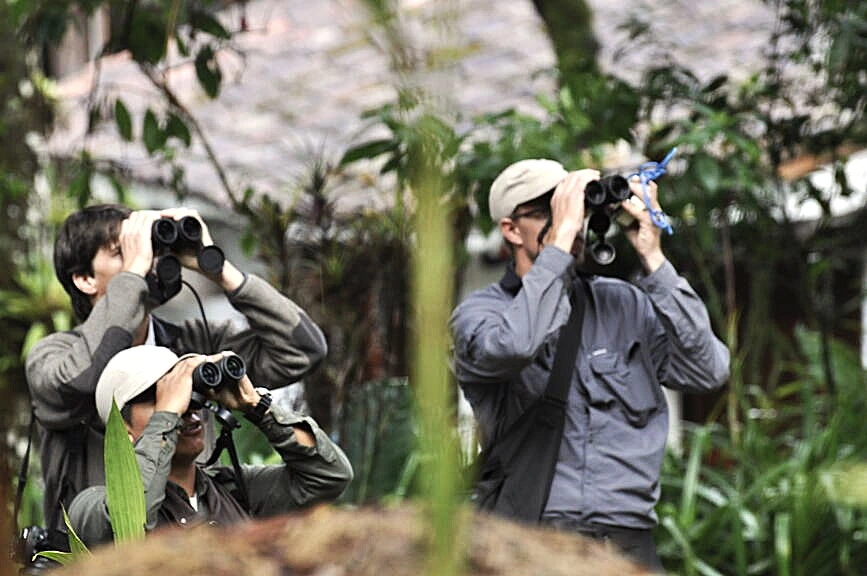
No, don’t get me wrong. We’re not about to give you a detailed description of Area 21 or Mosqoy Pacha, where you’ll come across figures of aliens and spaceships created by the local artist Tupaq Kamariy Candia. These are the result of his research, which includes delving into Andean myths and legends. But let’s leave that aside for now, because today I just want to share a few close — very close — encounters with native wildlife.
In the air, in the sea, on the pampas… and yes, in the forest too. In these natural settings, you’ll come across some of the most representative species of Peru and this part of the world. Fascinating moments, perfect for taking photos and learning more about vicuñas, spectacled bears, Humboldt penguins and the mighty Andean condor, among many other species that call the coast, the Andes and the Amazon home.
On the pampas and in the skies
I’d bet my bottom dollar that, in your search for information about travelling in Peru, you’ve already come across countless images of vicuñas, llamas and alpacas. Along with the mighty Andean condor, these South American camelids are perhaps the most iconic and best-known animals of the Andes worldwide. So much so that many travel guides and websites place their photos right on the cover. True or false?
I’d also bet you’d love to admire them in their natural surroundings. Here’s the good news: llamas (traditionally used as pack animals) and alpacas (famous for their soft fibre, woven into all sorts of garments) are easy to spot in the highlands of Cusco and in other regions such as Puno and Arequipa. Domesticated since ancient times, they’re often seen grazing quietly along the roadside.
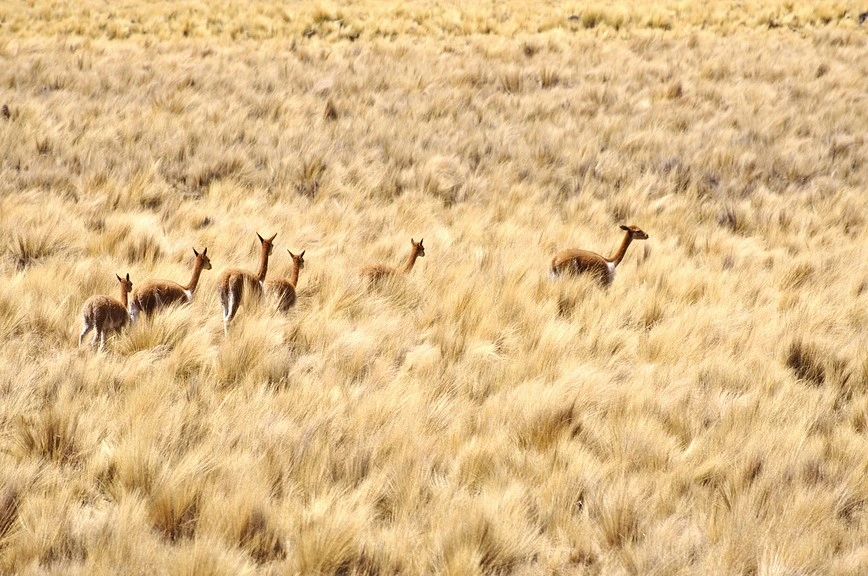
But it’s not that simple with the graceful vicuñas. Silence is required. Getting too close is off-limits — if you try, they’ll bolt. Unlike their cousins, vicuñas live in the wild and are usually found in protected areas such as the Pumawasi Reserve (Acomayo province, Cusco), the Pampa Galeras Bárbara D’Achille Reserve (Lucanas province, Ayacucho) and the Salinas and Aguada Blanca Reserve (Caylloma province, Arequipa).
A little stroll won’t do the trick. To admire vicuña herds —usually made up of one male and several females— you’ll need patience and a cautious approach. Out on the pampas, you’ll see just how stunning they are: their dark eyes, slender necks and soft cinnamon-and-white coats are dazzling. Shy, skittish and prized for their fine fibre, these graceful creatures are so symbolic that their image appears on Peru’s national coat of arms.
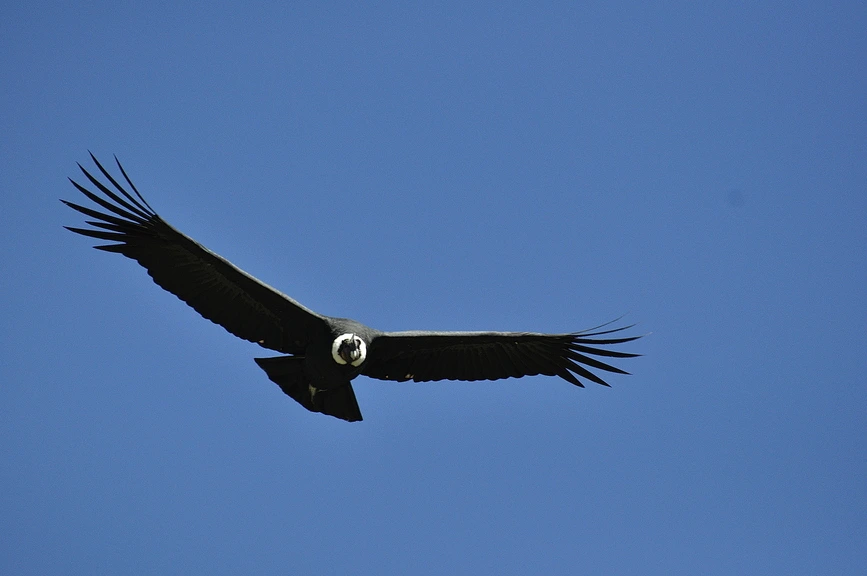
As for the condor, there’s no easy shortcut. Spotting this giant almost always means hiking uphill —and I’d bet you’ll be out of breath by the time you arrive— to a viewpoint where you can watch the world’s largest carrion bird soar. Mythical and legendary, the Vultur gryphus glides across the skies of Cusco at the Chonta viewpoint in Limatambo (Anta province). If you’re heading to Arequipa, you can look for them at the Colca Canyon (Caylloma province).
In Search of Penguins
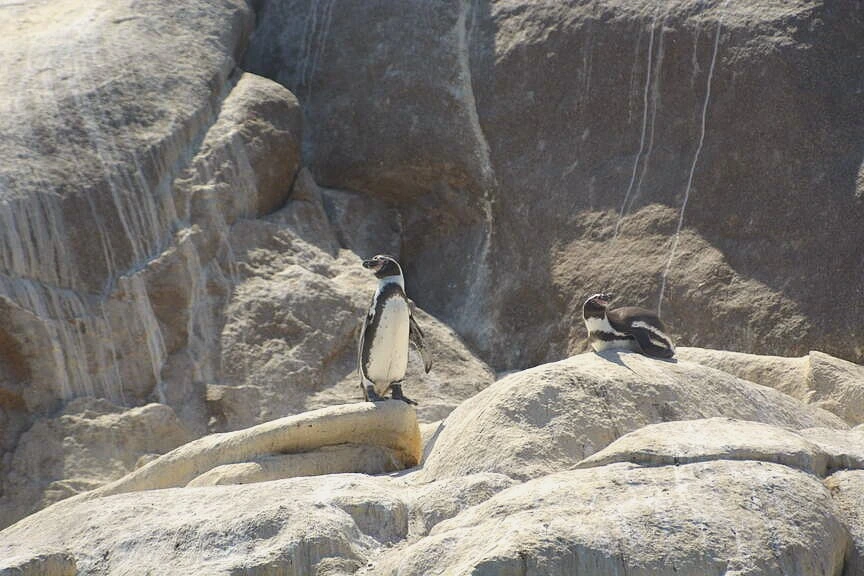
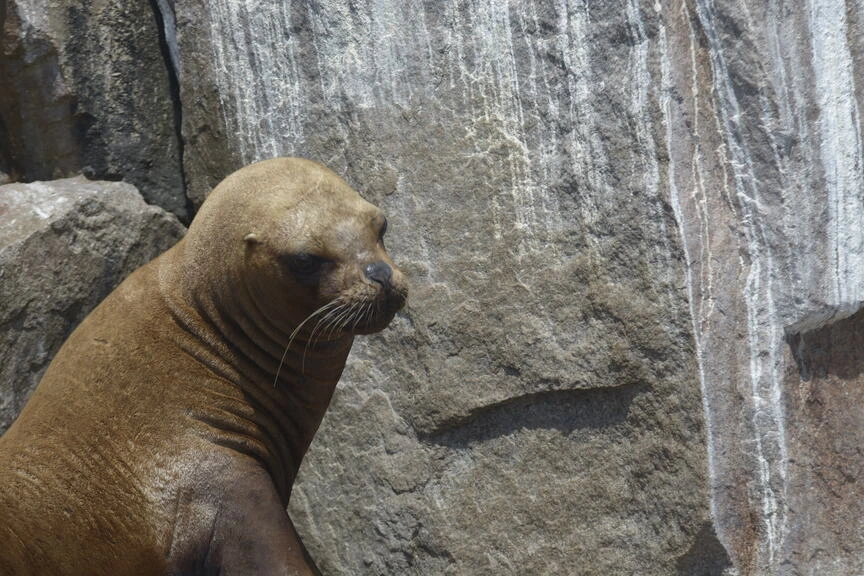
True, Cusco has no coastline —but that doesn’t mean you can’t slip away to the Pacific Ocean. If you do, you won’t just enjoy the waves or lose yourself in the sunsets along the shores of Arequipa or Ica. Take the chance to set sail towards the islands and rocky islets teeming with sea lions and a wealth of birdlife —including penguins. Yes, penguins, and not just any penguins, but species native to Peru and Chile.
Of course, there are penguins in other parts of the world, but the Humboldt penguins are quite special. Along the Peruvian coast, they can be spotted in several reserves both north and south. From Cusco, your best bet is to head towards Punta Hornillos (in Camaná and Islay, Arequipa) or the Ballestas Islands (in Pisco, Ica) —one of South America’s most popular marine destinations.
Sailing out, spotting and learning about the Humboldt penguin —named after the German scientist Alexander von Humboldt, who in 1802 discovered the cold-water current along the Peruvian coast— is an unforgettable experience. Now that you know the origin of their name, let’s focus on the bird itself: flightless, between 56 and 72 cm tall, and feeding mostly on fish, though their diet also includes cephalopods and crustaceans.
Set sail, cruise the waters, watch closely and learn how to tell them apart from other species. First lesson: Spheniscus humboldti (their scientific name) have a patch of pink skin on part of their face. Second lesson: they show a single black band across the chest. Third lesson: they nest on guano-rich islands. Fourth lesson: they’re smaller than their Antarctic cousins, such as the famous emperor penguin.
Yes, it’s true —you’ll need to take to the sea to discover the biodiversity and richness of Peru’s waters. Venture into the Pacific before or after exploring the Andes and the Amazon. It’s the best way to enjoy the ever-changing landscapes and natural wonders that my country offers. A country I invite you to explore. A country that is not only one of the lungs of the planet but also a true stronghold of wild flora and fauna.
The Bears of Machu Picchu
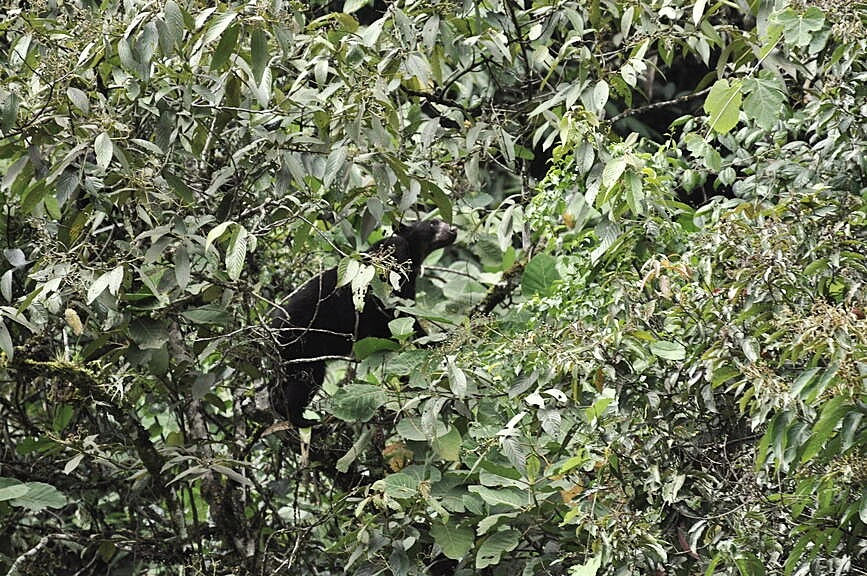
It wasn’t part of the plan to find you, but here we are. I’m watching you — not in a zoo or a rescue centre, but up in the trees across the river. You’re not alone; your cub is with you. The two of you are having “lunch”, completely unfazed by the curious onlookers who’ve stopped along the railway tracks near Machu Picchu Pueblo. After all, it’s not every day one gets to see a pair of spectacled bears feeding in such a busy place.
It wasn’t part of the plan to find you, but, as you know, travel is full of surprises. Ukumaris — that’s what they’re called in Quechua — aren’t easy to spot in the dry forests, cloud forests, or high Andean páramos. Today, I feel like a very lucky wanderer, because my visit to the Historic Sanctuary of Machu Picchu came with an unexpected and extraordinary encounter.
Stay a little longer, please don’t go. I know, Tremarctos ornatus — the spectacled bear — is the only bear species native to South America. You travel between 15 and 30 kilometres a day, spreading the seeds of the fruits you eat. And while you’re omnivorous, your favourite dish is achupalla (a type of bromeliad). You also enjoy roots, mushrooms, and fruits — and only occasionally feed on rodents or birds.
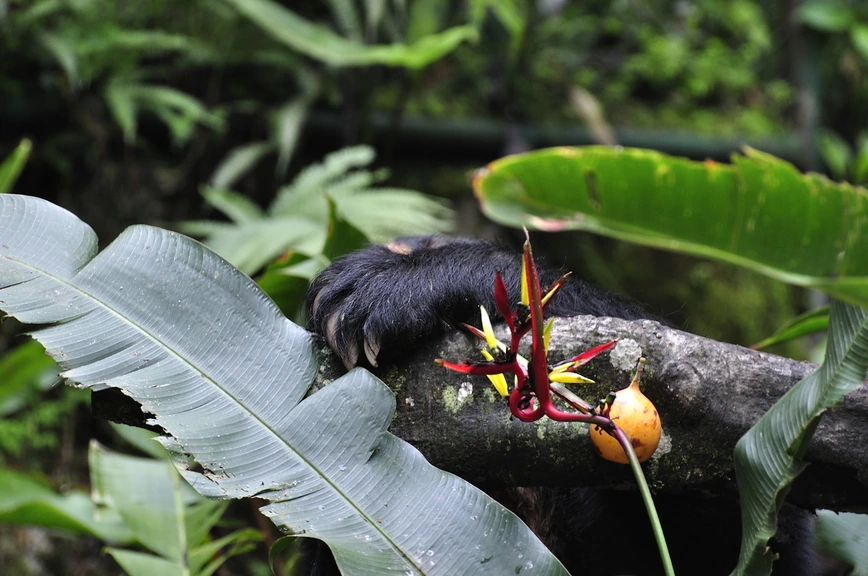
Stay just a little longer, please. I’m trying to get a clearer look at the yellowish or white patches on your face — those are the “glasses” you wear, though your eyesight is perfectly fine. Ah, but your sense of smell is your greatest gift. And your claws — powerful and precise — help you climb like a champion, despite your size (two metres long) and your weight (a female like you reaches around 85 kilos).
It wasn’t part of the plan, but again, please stay a little longer. That way I can proudly say I watched, for quite some time, the creature who, according to Andean cosmovision, bridges the world of the living and the dead. You’re no ordinary animal. You appear in myths and legends, in rituals and dances. That’s why I hope you and your cub keep feeding safely on the other side of the river. Will you listen to me?
October 3, 2025