


2026: A year for hiking in Cusco
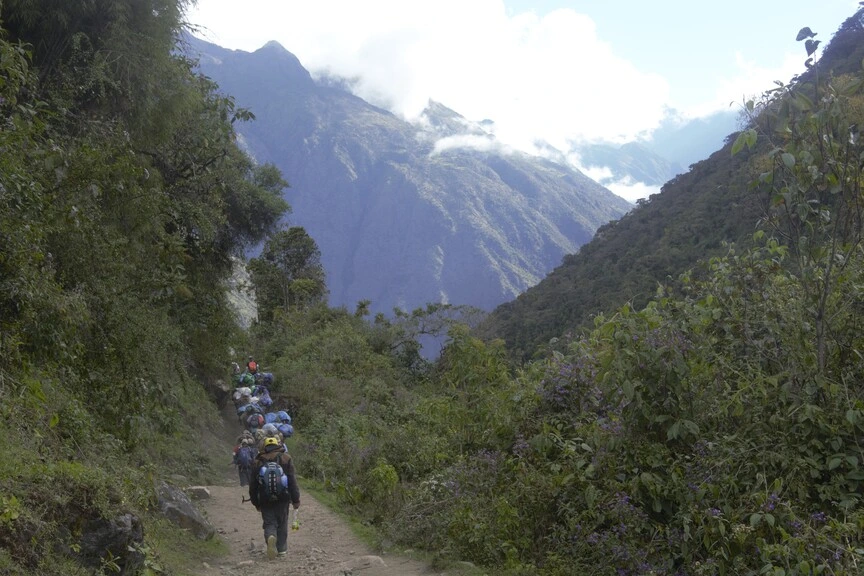
I see many paths in your future. Yes, I see you on winding trails along the slopes of the mountain range and deep in the forests of the High Jungle. Yes, there you are — no doubt about it — walking under the protective gaze of the Apus, the sacred mountains, stubbornly and steadily climbing towards a mountain pass, then heading down with lighter, renewed steps towards a patch of green that, just a couple of kilometres earlier, felt like a mirage.
I’m no fortune teller or seer. I don’t read cards or coca leaves, but in 2026 I see you walking through the Andes and the Amazon of Cusco. Perhaps it’s more a wish than a vision. I’d love for you to leave your adventurer’s footprints on one of the many hiking routes of the so-called “navel of the world”. There are plenty of them — more than you might imagine. I know this from experience… an experience you really should live for yourself!
Do it. Make it one of your goals for the year that’s about to begin. There’s time to organise your journey and to get physically prepared if long-distance walking isn’t yet your strong suit. What do you think? You can already see yourself with your rucksack on an ancient path. You can already see yourself camping high up in the mountains or tucked away in a small patch of forest. And you can already see yourself arriving tired — but infinitely happy — at the end of the trail.
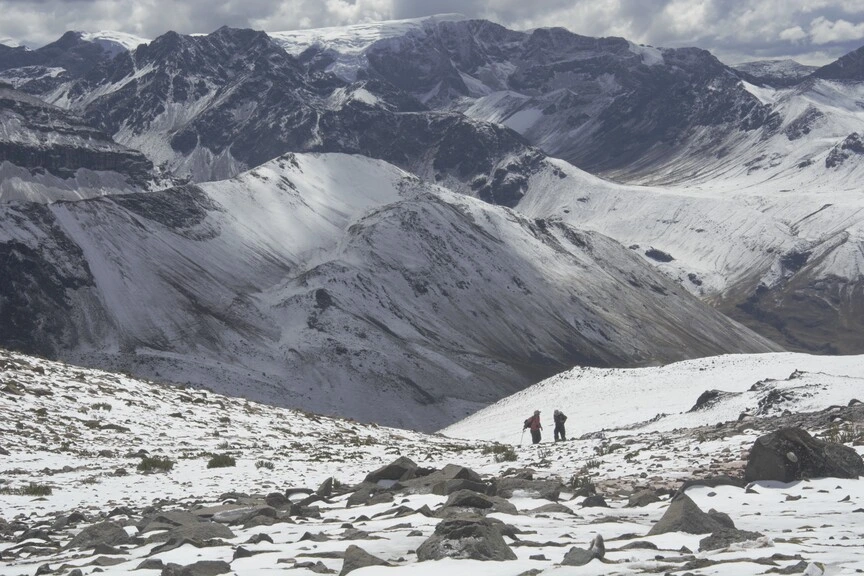
Just imagine what it feels like to explore the realms of the revered apus Ausangate and Salkantay — their lagoons, their frozen summits, their thousands of metres above sea level. Imagine the emotions along a route that takes you, in a single journey, to magnificent Choquequirao and on to Machu Picchu, the world wonder and the travel dream of millions.
And you’ll arrive there after eight or nine days of walking. Mission accomplished. A truly magical moment. Your unforgettable memory of 2026. Yes, I’ll say it again — that’s what I see in your future, without reading coca leaves. I’m just a traveller wishing you the very best for the New Year, hoping to see you out on the trails of my homeland. Because I’m certain you’ll enjoy them from the very first step.
The beginning of the adventure
Waking up early. Shouldering your rucksack. Leaving the room behind. Stepping out into a drowsy city. Shadows and cold wind. Cusco at dawn. A van pulling away from the “Historical Capital of Peru”. Cusco slowly fading into the distance. Inside, passengers chat quietly or try to make peace with sleep. You are one of them. You, like the rest, long to take that first step.
The vehicle moves through valleys and mountains, past villages and rural communities. Now the sun shakes off the mist. The horizon lights up with its rays. “We’ll have good weather,” the guide announces as the moment to leave the van draws near. Soon, the four- or five-day hike will begin — taking you to Choquequirao, Ausangate or Salkantay.
That is usually how long-distance walking adventures begin. An early departure, the drive to the trailhead — a farming community, a suspension bridge, perhaps a mountain gorge — breakfast with a hot drink to keep the cold at bay, the guide’s briefing, and a final check of your gear to make sure nothing has been forgotten.
Sometimes, doubts creep in too. Will I manage? Will I cope with the altitude and the cold nights? There’s no turning back now. It’s far too late for regrets. Walk — that’s what you have to do. Take it easy, no rush, admire the landscape, stop for a photo, and remind yourself that you can always take one more step. That step that will get you to the campsite or the mountain hut.
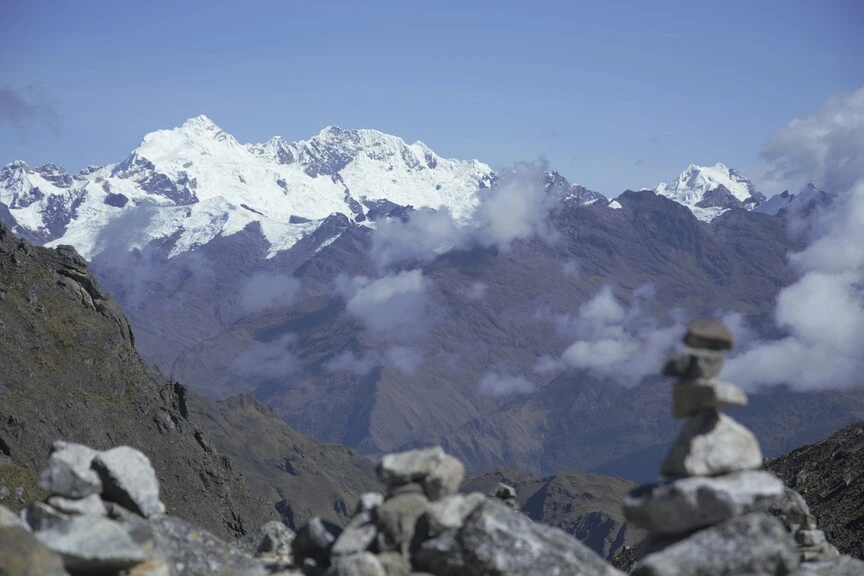
You rest, regain your strength, and carry on the next day. Will it be the toughest stage? Who cares. You know you’ll make it, even if your heart is pounding like a drum as you climb towards the abra, the mountain pass. The highest point. The lookout from which you take in the landscape in all its glory. And that’s when it hits you — every metre walked was worth it. You return to the trail with renewed, determined strides.
Two llaqtas, one path
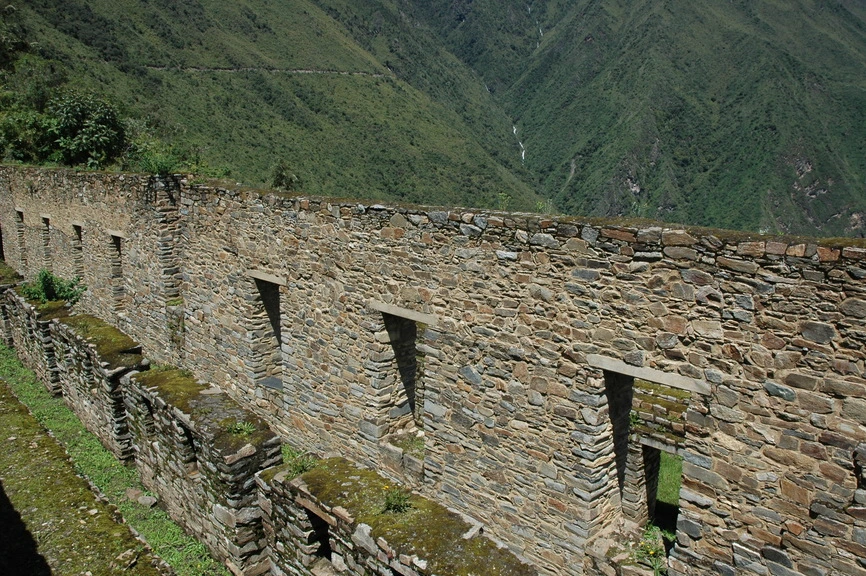
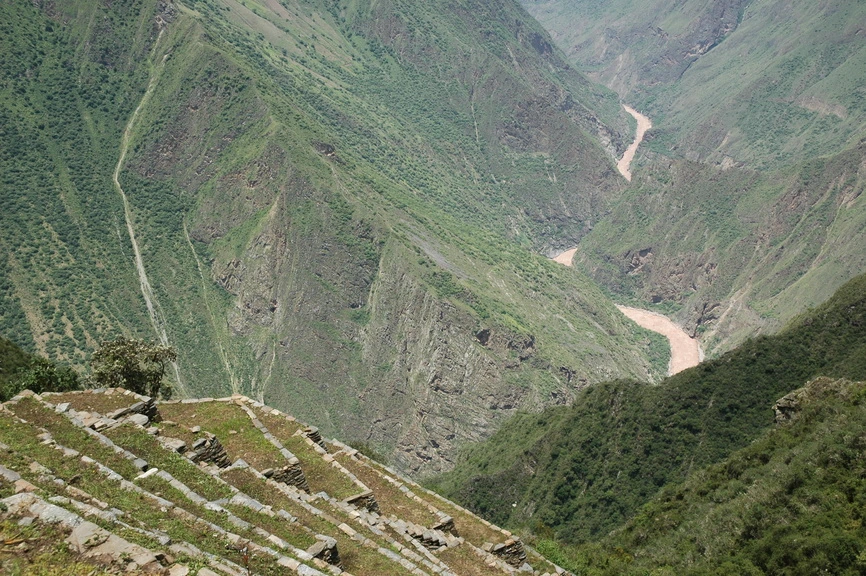
Walking to Choquequirao and Machu Picchu is a truly tempting possibility. Everything begins in the village of Cachora (Abancay province, Apurímac region). This is the most popular route among travellers, and the trek usually takes four days and three nights. The days are demanding, as you’ll be descending into — and climbing out of — the sheer walls of the Apurímac Canyon.
Along the way, you’ll find campsites and simple lodges where you can spend the night and enjoy a meal. Unlike the Inca Trail to Machu Picchu, this path isn’t pre-Hispanic, but don’t let that put you off — it’s absolutely fascinating. One of the “advantages” of this adventure is that you don’t need to hire a tour operator, although if you’d like to make things easier, you can always hire a muleteer in the village.
Roughly 60 kilometres separate Cachora from Choquequirao, often described as the “last refuge of the Incas”. The distance is shorter if you travel by road to the Capuliyoc viewpoint (around 11 km away), where a tough descent into the canyon begins. Beyond the steep ups and downs, altitude is part of the challenge too — the highest point reaches 3,050 metres above sea level. So make sure you acclimatise properly before setting off!
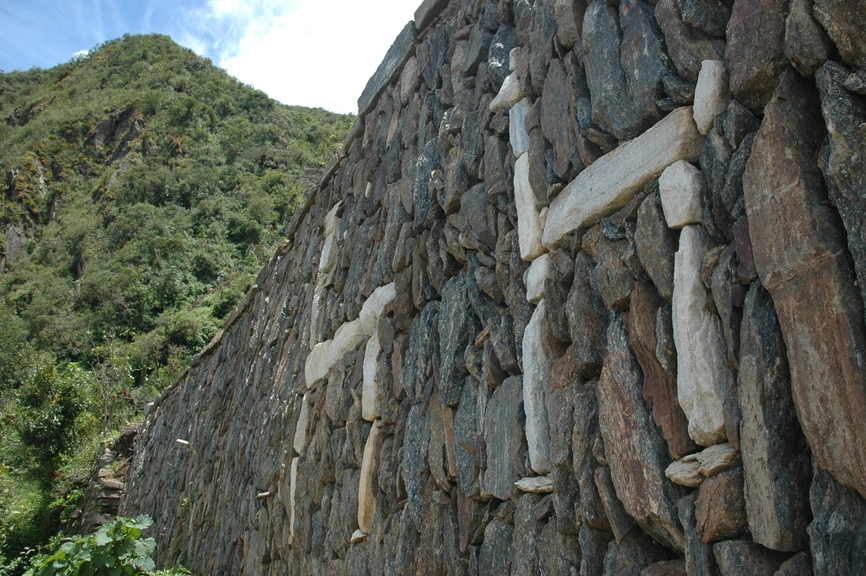
Entry to the archaeological park costs 60 soles for Peruvians and 70 soles for foreign visitors. Once you arrive, you’ll be struck by its dramatic scenery, its magnificent stone architecture, and its agricultural terraces, where the famous “Llamas of the Sun” stand out — shapes “drawn” with white stones on the terrace walls. These figures are unique and sit opposite the Apurímac Canyon, with the frozen summit of the legendary Salkantay glacier rising in the distance.
Now, if you’re a true all-round adventurer, dare to keep walking all the way to Machu Picchu (which can also be reached via the classic four-day Inca Trail). This is the ultimate challenge. The defining test. A trek that, over eight or nine days, will take you to two of the greatest architectural treasures of the Andean world. Do you feel ready to take on this demanding, marathon-like journey?
The routes of the Apus
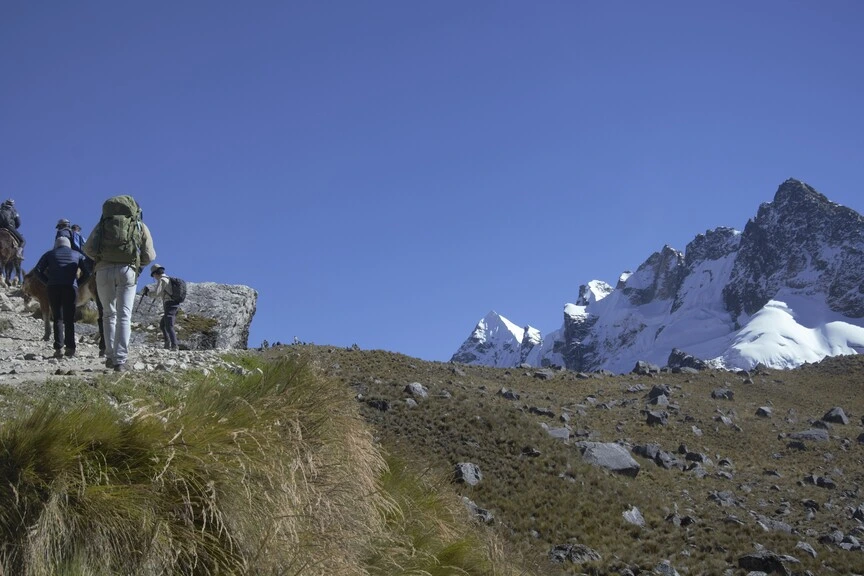
The Ausangate Circuit and the Salkantay Trek are two more great hiking options in Cusco. The trails that circle and approach the apus of the “navel of the world” lead you into landscapes and cultural settings where physical effort is enriched by Andean spirituality. That feeling adds a special depth to every step and every kilometre you walk.
Salkantay, “the wild” or “untamed mountain”, is a giant rising to 6,271 metres. Its exact location is disputed by the provinces of La Convención and Anta, but that detail matters little on this 70–75 km route, usually completed in 5 days and 4 nights. Along the way, you’ll visit Lake Humantay, cross the Salkantay Pass (4,600 metres above sea level), and descend into the Amazonian valley of Santa Teresa.
The experience ends at Machu Picchu, which you’ll reach via the Santa Teresa–Hydroelectric route. This is not the case with the Ausangate Circuit (Quispicanchi province), a demanding high-altitude trek lasting 4 to 5 days through the domains of the “sacred Apu who rules” — the meaning of its name in Spanish. Located in the Vilcanota range, Ausangate reaches an impressive height of 6,384 metres above sea level.
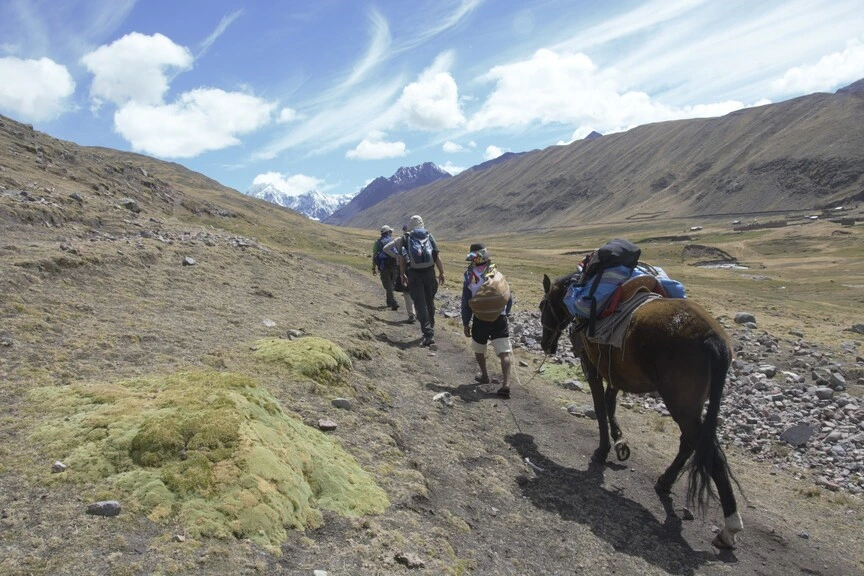
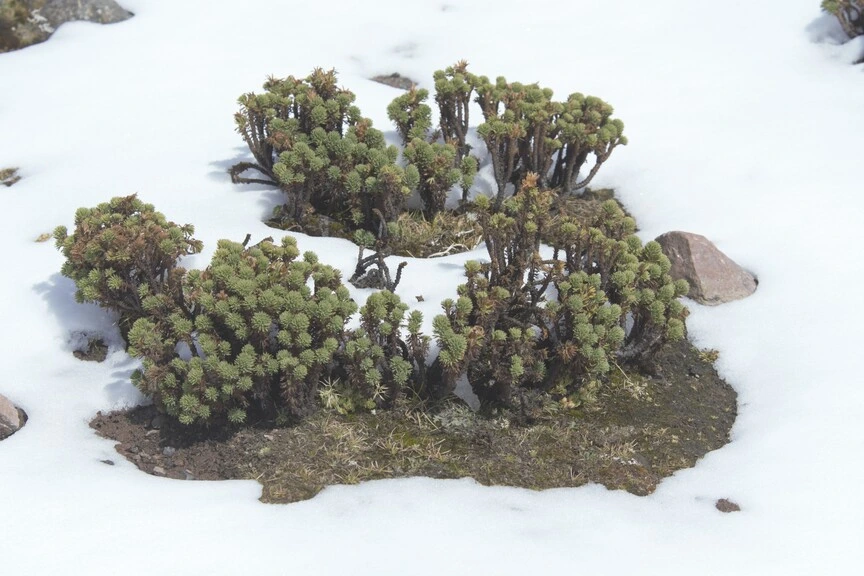
Daily walks of six to seven hours set the pace of this hiking circuit (around 65 km), taking you past lagoons, valleys and mountain passes that rise close to 5,000 metres. In this way, amid breathtaking landscapes and sometimes harsh weather — gusty winds, cold nights, unexpected snowfall — you’ll explore some of the most beautiful corners of Cusco, including Vinicunca, the famous “Rainbow Mountain”.
Although it isn’t strictly necessary to hire a tour operator to tackle Ausangate or Salkantay, it’s highly recommended, especially if you’re not a seasoned hiker. Having logistical support allows you to forget about the practical details and fully enjoy your Cusco trekking experience, just as the chasquis once did — the tireless messengers of the Tawantinsuyo, the Inca Empire.
January 2, 2026