


Cusco: Escape to the nearby towns
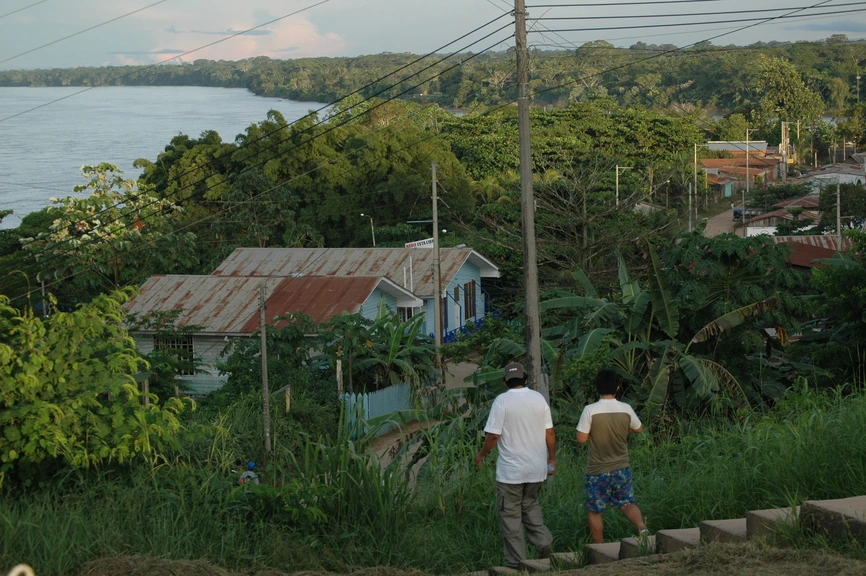
Cusco, just Cusco and only Cusco on your visit to Peru. Think about it: the ancient city founded by the Incas, the spectacular Sacred Valley, the colourful Vinicunca mountain, and the wonderful Machu Picchu – which, no matter what, always retains its magical charm. The classic. The traditional. The essential. But not the only thing. There is so much more to see and explore in the “navel of the world.”
What should you do? Spend your entire holiday in Cusco, or set off to other destinations? That’s the dilemma and the travel question you’ll need to answer when planning your journey. If you choose to stay, you’ll have a rich and varied menu of options, including itineraries full of archaeology, nature and living culture, as well as routes “spiced” with plenty of adrenaline.
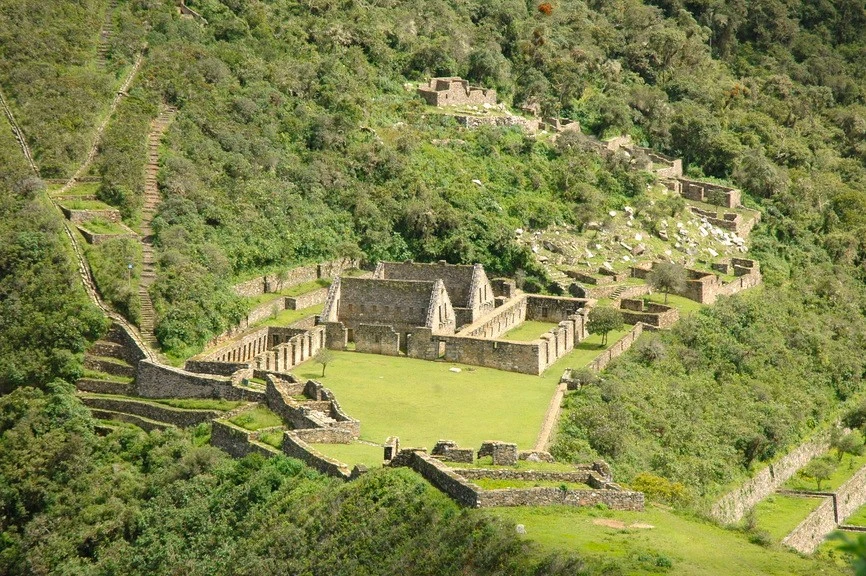
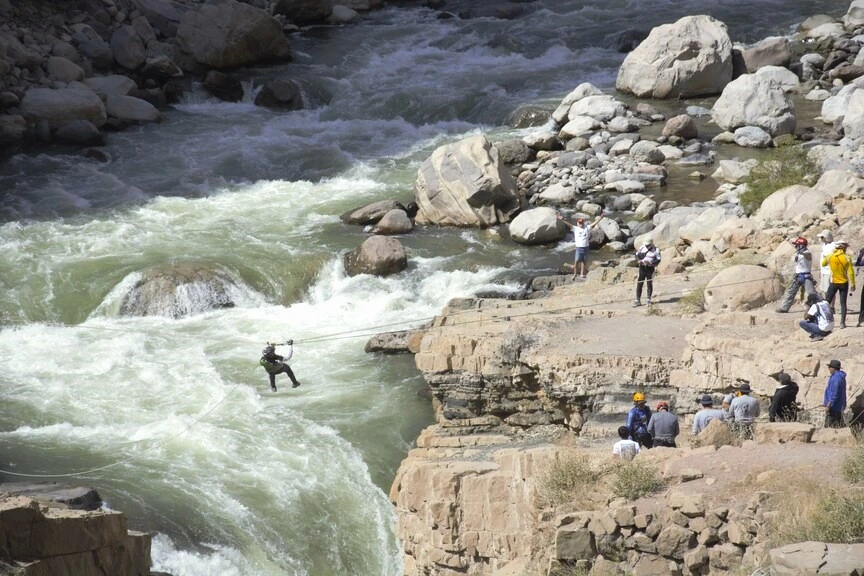
There’s so much to see and experience that you’ll want to stay a few extra days to hike to the Choquequirao archaeological park (4d/3n) or navigate the Mainique Pongo, where cliffs hem in the Urubamba River. Three kilometres where the river narrows to just 45 metres, three kilometres of rapids and impetuous waterfalls, three kilometres of pure action and adventure.
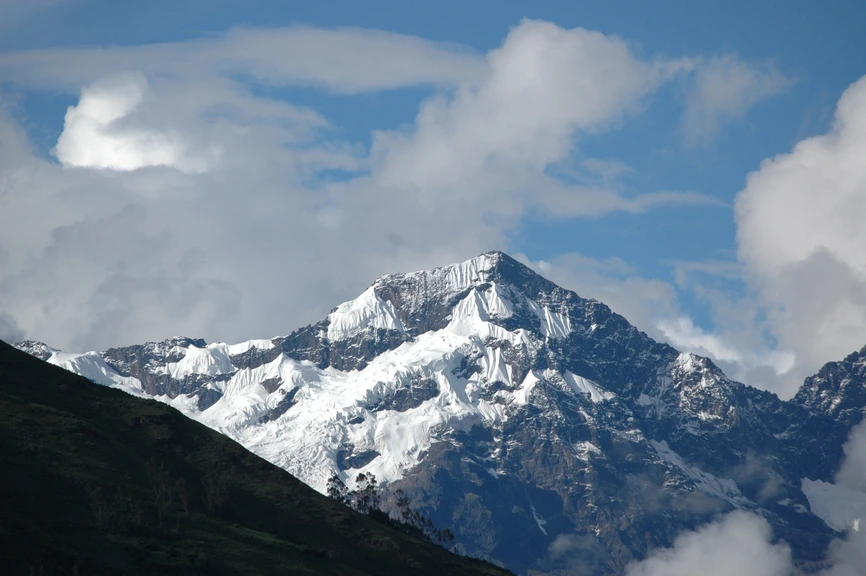
If you love the mountains, escape to Quelccaya, the largest tropical glacier in the world. If you prefer forests and biodiversity, head to Manu National Park. If you want to get even closer to the past and pre-Hispanic architecture, Waqrapukara is a great destination; and if colonial religious art fascinates you, explore the temples along the Andean Barraco Route.
The menu is even broader, but I don’t want to “overwhelm” you. And, even if it doesn’t seem like it, this text isn’t meant to persuade you to spend your entire holiday in Cusco. Quite the opposite. The intention was – and still is, I can adjust my words if needed – to encourage you to venture out to other regions, cities and towns, despite the many charms of Peru’s main tourist destination.
From Cusco to Other Destinations
With the purpose of this story clarified, it’s worth mentioning that from the ancient Inca capital you can travel by road to several regional capitals, such as Abancay, Arequipa, Puno and Puerto Maldonado. Buses run daily at various times, departing from the city’s bus terminal located in the Santiago district.
In Abancay, the capital of the Apurímac region, you’ll find the Ampay National Sanctuary, a protected area with snow-capped mountains, lagoons and intimpas (the “sun trees”), an endemic species of the Andes. Other options include Cachora, the village where the trail to Choquequirao and the Apurímac Canyon begins. For lunch, try the tallarín de casa con gallina (homemade noodles with chicken). (Travel time: 6 h. Ticket: 50 soles).
If you want to have an experience in Arequipa, the capital of the region with the same name, is your destination. Not only for its Historic Centre, famous picanterías (temples of traditional cuisine), and striking volcanoes, but also for the Colca and Cotahuasi Canyons, two of the deepest in the world. (Travel time: 10 h. Ticket: 75 soles).
But since not everything in Peru is about altitude and depth, head towards the lush biodiversity of Puerto Maldonado, the capital of the Madre de Dios region. This city is the starting point for tours to the Tambopata National Reserve. Navigating rivers and lagoons and walking along muddy trails will bring you close to the Amazon’s flora and fauna. Nature at its finest. (Travel time: 10 h. Ticket: 70 soles).
Yes, I know, there’s still one destination missing: Puno, the capital of the region with the same name. Patience. This text isn’t over yet. There’s still time and space to write about the “Altiplano City” (3,827 m / 12,549 ft) and Lake Titicaca, the highest navigable lake in the world. Not only that, we’ll tell you about the devils of the Feast of the Virgin of Candelaria and the chullpas (funerary monuments) built by ancient peoples. If you want to know more, keep reading!
The Route of the Sun
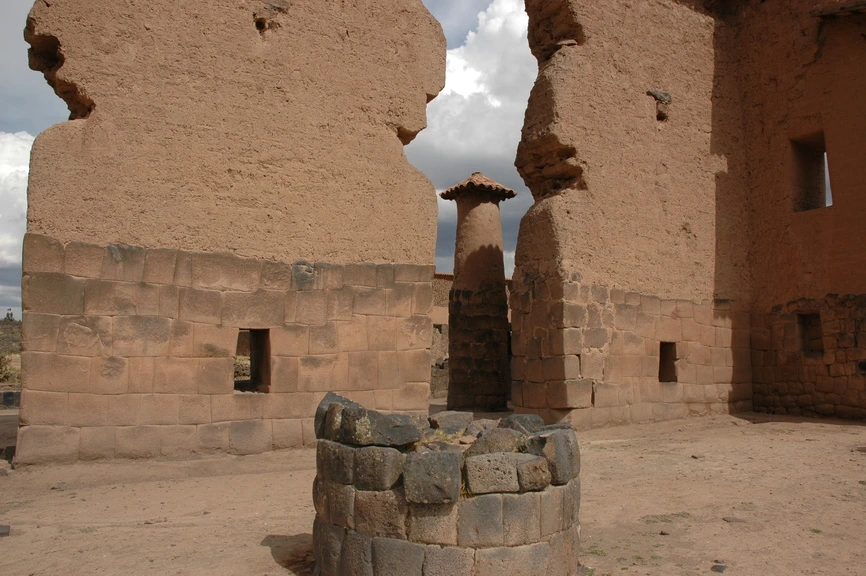
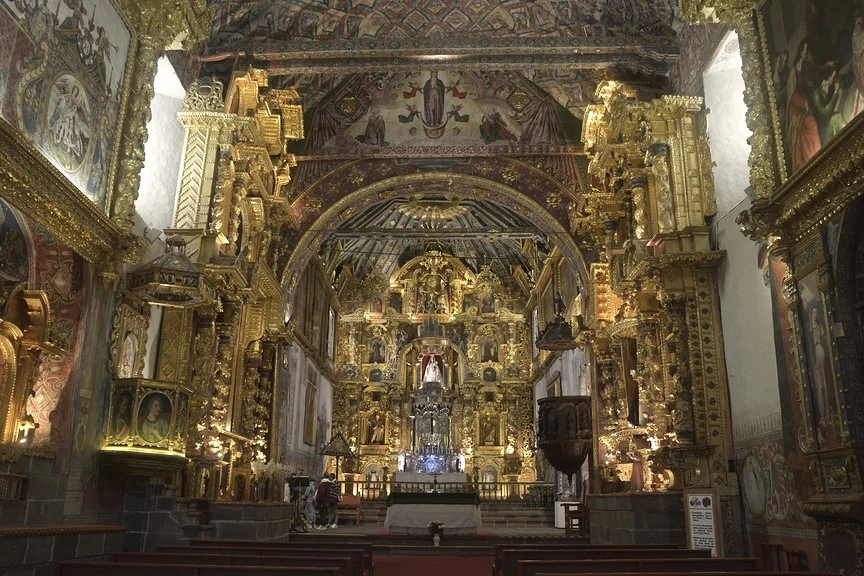
You travel, observe, and walk. You climb and descend in strategic, breathtaking spots. You admire the religious art of a colonial church and the stone architecture of an archaeological site. You feel the challenges of high altitude at an Andean pass that is both an end and a beginning. And at the last stop, you stand in awe, trying to interpret the mythical carvings of monoliths from an ancient people.
Thus, between stops and discoveries, learning and smiles, you leave urban Cusco behind along the Route of the Sun, a tourist route that turns the 386 km journey to Puno into a full-day adventure. Highlights include a visit to the colonial San Pedro de Andahuaylillas Church, the “Sistine Chapel of the Americas,” and the Raqchi Archaeological Park, where the Incas worshipped Viracocha, the creator of all things.
Its 14-metre-high stone and adobe walls and cylindrical columns with solid stone bases reveal the importance of this temple and military garrison, built in the 15th century. Raqchi will amaze you. Here, you symbolically say goodbye to archaeological Cusco as you head towards Puno. Soon, you’ll reach La Raya, the high-altitude pass at 4,335 m / 14,232 ft, marking the regional boundary.
Cusco and Puno lie in this landscape of ichu grass (high-altitude pasture) and mountains painted on the horizon. It’s hard not to think that, according to legend, the founders of the Inca Empire, Manco Cápac and Mama Ocllo, emerged from the waters of Lake Titicaca. In a way, your journey becomes a trip to the roots and origins of the Tawantinsuyu, the largest state structure in South America.
The Route of the Sun, operated by tourist buses departing from Cusco and Puno (Travel time: 10 h, Ticket: 50 soles), continues with a visit to the Pukara Lithic Museum, where monoliths and stelae featuring anthropomorphic, zoomorphic and geometric figures are displayed. These were created by the Pukara, a pre-Inca people who developed in the Peruvian and Bolivian highlands between 500 and 380 BC.
The City of Titicaca
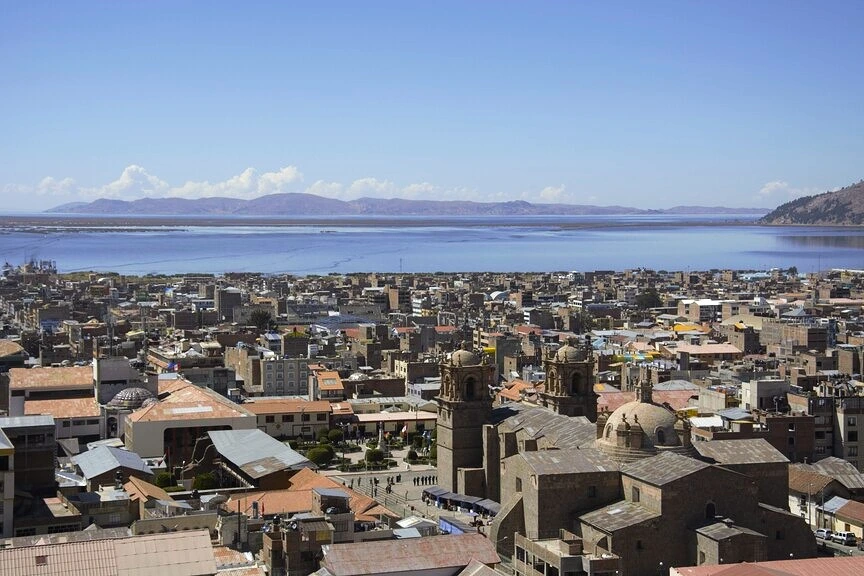
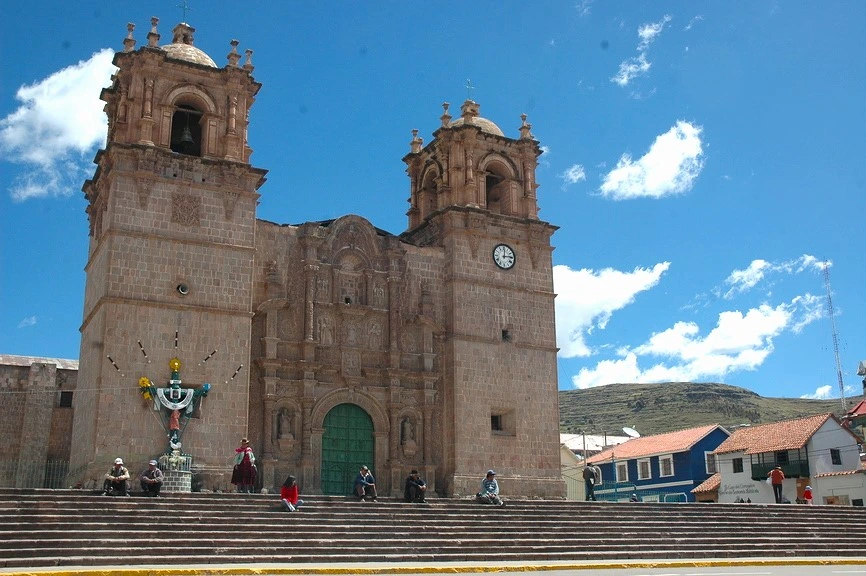
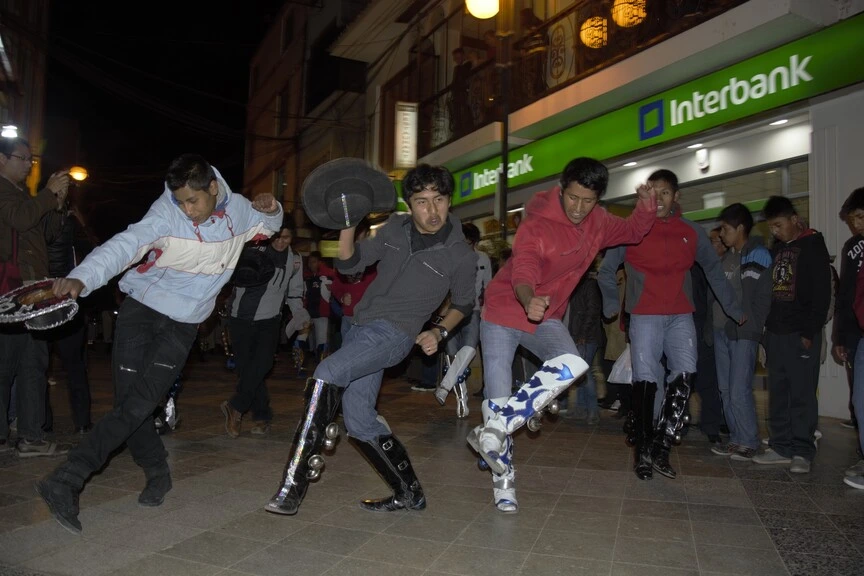
Sunset marks the end of the Route of the Sun. Night falls in Puno, the “Folkloric Capital of Peru,” which in February comes alive with faith, music and dance to honour the Virgin of Candelaria. During these festival days, the city is taken over by troops of dancing devils, who are confronted by the brave Archangel Michael, sword in hand, trying to guide the forces of evil.
The Diablada is one of the main dances of the festival, celebrating the beloved image of Mamita or Mamacha Candelaria, which is brought out to the atrium of San Juan Bautista Church, her sanctuary, to witness the parade of saya and morenada ensembles, caporales, llameradas, and more. You’ll also hear the vibrant panpipes of the sicuri troops. Thousands of devotees from the city and countryside fill the streets with energy and colour.
But Puno is not just about faith, festivals and folklore. Puno is also Lake Titicaca, the great lake shared by Peru and Bolivia. Dare to sail its mythical waters and land on the nearby floating islands of the Uros, built or woven from totora reeds by the descendants of an ancient people. If you love immersive cultural experiences, you must visit Taquile or Amantaní… better yet, both!
Life in community among terraces and breathtaking views of Lake Titicaca. On these islands, the saying “today for me, tomorrow for you” isn’t empty words. It’s applied. It’s alive. It’s the key to harmonious living. The islanders say they learned it from their ancestors. But that’s not all. Their forebears taught them how to work the land, respect nature and the lake, and express their worldview, beliefs and customs through their weaving.
Beliefs and visions that go far beyond earthly existence, as you’ll realise at the Sillustani chullpas, funerary towers up to 12 metres high, originally built by the Aymara Colla kingdom (1150–1477 AD). They believed that these enormous stone towers – though some are rectangular – would help their leaders journey into eternity.
You see, tourist Peru doesn’t begin or end in Cusco. Pack your bag and escape to nearby cities and destinations. You won’t regret it. Wherever you go, you’ll have an amazing time. Traveller’s word.
September 29, 2025