


Manu: Adventure in the Peruvian Amazon
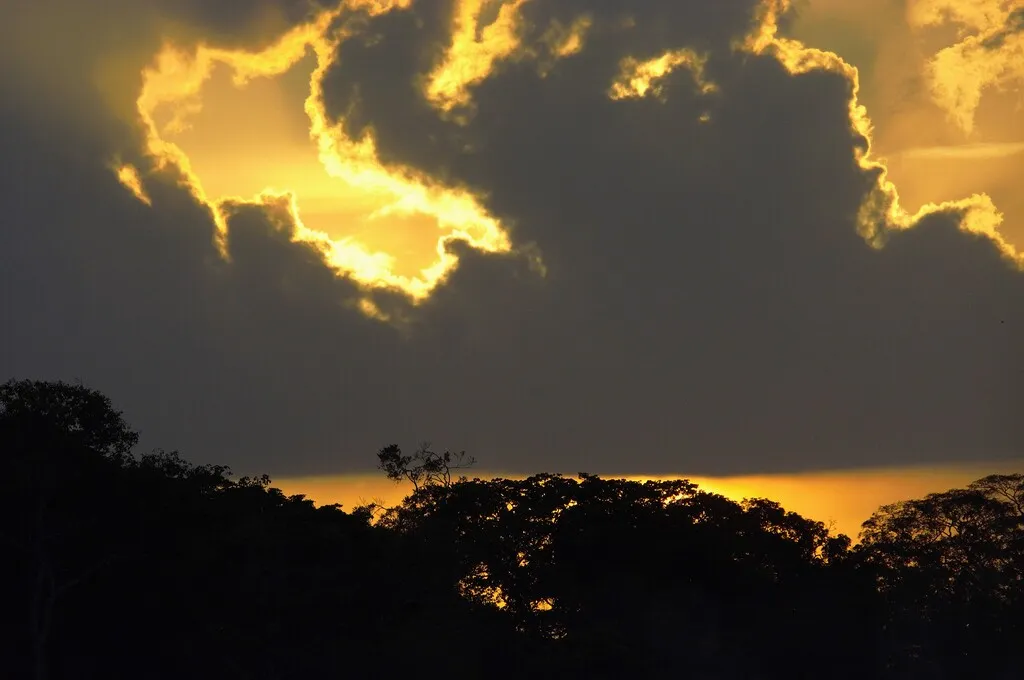
We camped on a riverbank beach on a night filled with rain, lightning, and thunder. Sleeping in the tents was part of the original plan; what wasn’t expected was that the sky would decide to pour down during the so-called dry season—or “dry season,” better said in quotation marks—because in this forest, in this jungle, in this lung of the planet, “downpours” ignore the calendar and strike at any moment.
“It’s part of the adventure,” our guide encouraged us, while the tents were being pitched a safe distance from the riverbank. They did so as a precaution. Experience teaches that river courses are unpredictable—they often swell and turn fierce during stormy nights… “and you don’t want to start ‘sailing’ in the middle of your dreams,” the locals would joke once the rain grew bolder.
“And what if it’s not a joke but a warning?” I thought, worried. At that time, my experience in the jungle was limited—just a few days in lodges near Iquitos or Puerto Maldonado, two of the main cities in the Peruvian Amazon. This was the first time I dared to explore the lush, biodiverse heart of Manu National Park and Biosphere Reserve.
Behind me lies Cusco with its archaeological heritage, and the town of Paucartambo with its tranquil streets and devotion to the Virgin of Carmen—celebrated in July even by the very devils themselves. Also behind is the cloud forest and the Acjanaco viewpoint, with its privileged view of peaks, waterways, and lush vegetation. Now, the “world”—my “world”—is a hot, green plain.
Here, there are no cities weighed down by routine, only rural villages with hints of modernity, small and distant native communities, and uncontacted human groups. Detached and indifferent to the technological advances of our global village, their existence relies on their nomadic ways, ancestral knowledge, and their ability to fish, hunt, and gather fruits.
Memories in the forest
It was a joke. None of the tents turned into rafts or canoes on that stormy night, which dawned with a clear and splendid horizon that hardly matched the last sights of the previous day. Those spectacular lightning flashes and the deafening crashes of thunder return to my memory whenever I recall and write about that pioneering trip.
More than 20 years have passed, yet I still feel as if I’m there—caught between fascination and a hint of fear—watching that torrential, explosive rain unfold on a nameless beach along the Manu River. That natural spectacle, neither written into nor announced in any tour or itinerary, was one of the most intense experiences in a destination where everything was a surprise.
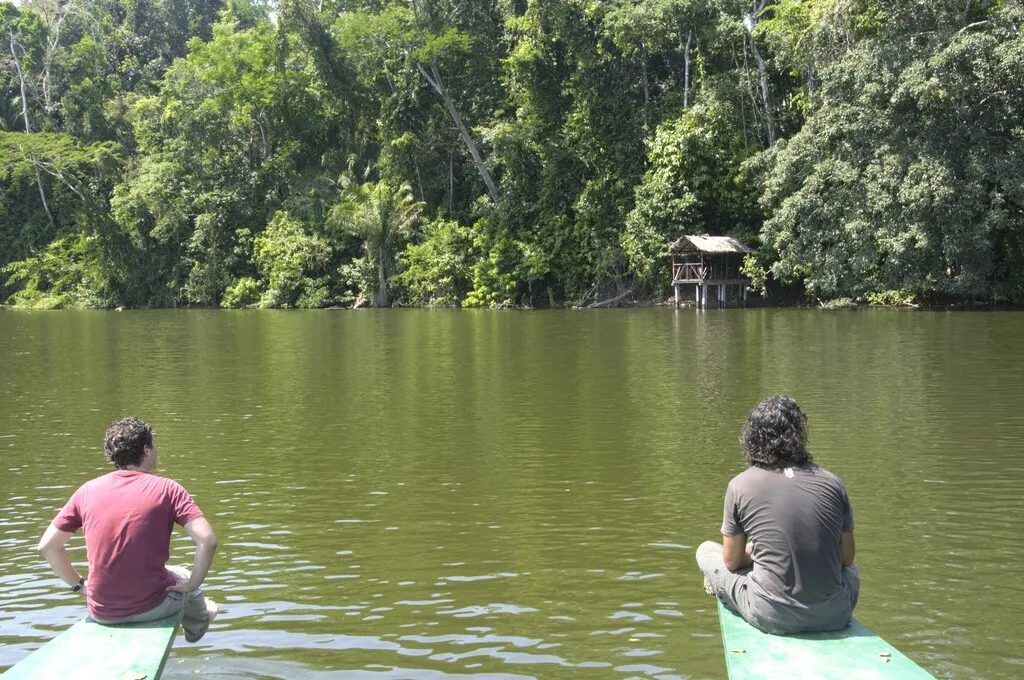
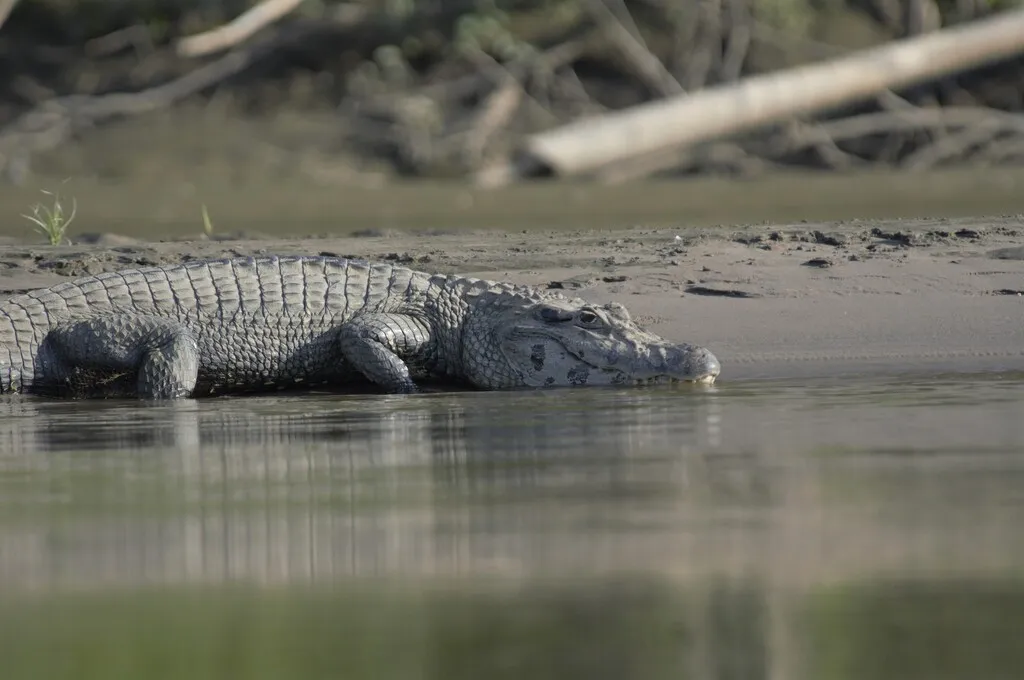
From the vastness of the rivers to the discovery of a tarantula on the cover of your sleeping bag. From spotting an anteater feasting to the stillness of crocodiles that look like statues while sunbathing. From serene navigation across a lake to walks along muddy tracks where you encounter tiny insects and towering trees.
I remembered those days of learning and getting close to the Amazon’s flora and fauna so vividly that my steps would lead me back to Manu National Park. Located in the Cusco and Madre de Dios regions, this vast protected area of 1,716,295.22 hectares preserves “representative samples of the biological diversity of the tropical rainforest of southeastern Peru.”
That wasn’t something the guide told me on my first trip—the one where I slept on platforms (wooden structures without walls) and in tents, had lunch on the boat, and explored the forest with a flashlight in hand. I would find that out later, on the website of the National Service of State-Protected Natural Areas, while preparing for my second journey to Manu.
Back to the forest
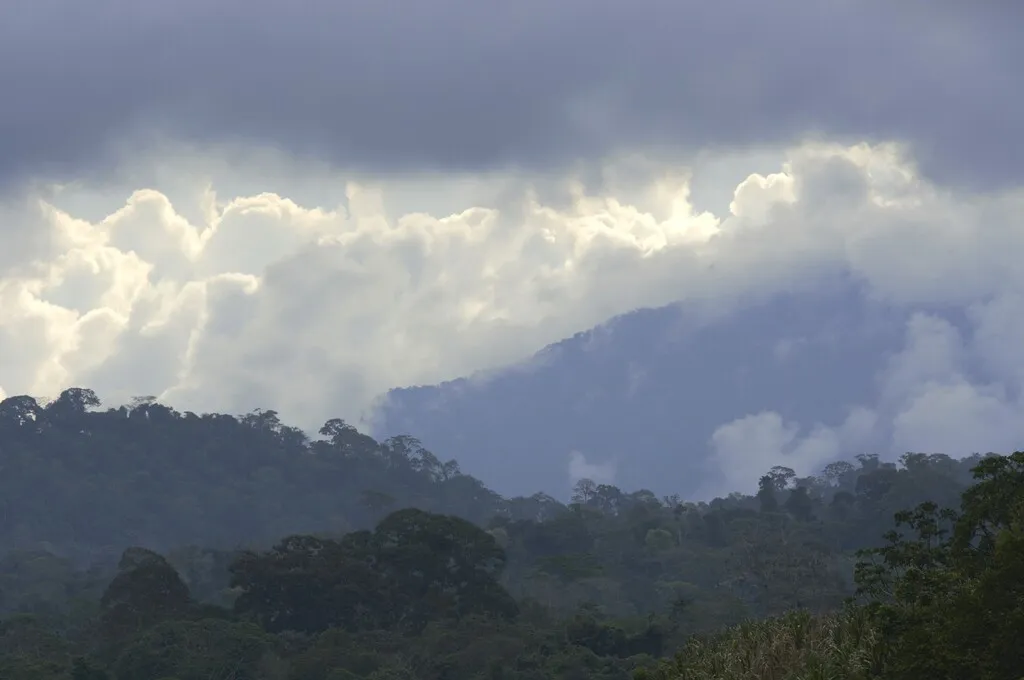
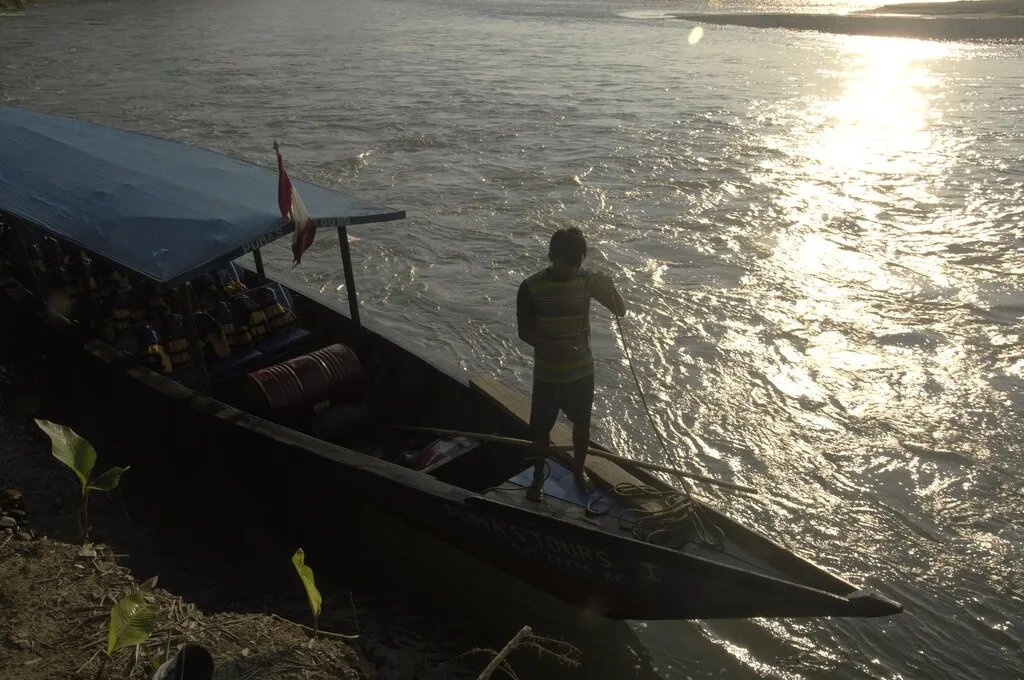
The itinerary repeats itself. Departure from Cusco (3,400 m / 11,155 ft), the road journey to Paucartambo and the cloud forest, and the final descent to Pillcopata and Atalaya, where you leave the bus, van, or truck to start navigating the Alto Madre de Dios River. The trip is a visual delight and, at the same time, a fascinating geography lesson.
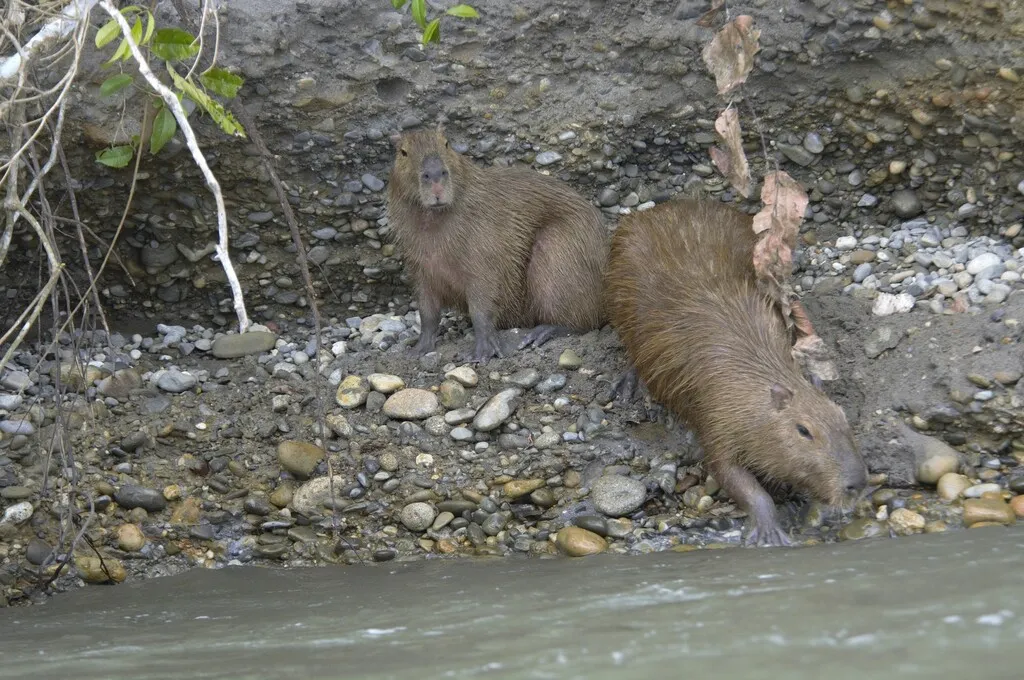
Manu National Park isn’t just Amazonian lowlands. It’s puna grasslands that reach nearly 4,000 m / 13,123 ft. It’s cloud forest with almost constant mist hanging in the sky. It’s lowland jungle, home to an enormous diversity of flora and fauna, including iconic species such as the jaguar, the tapir, the giant river otter, and the capybaras, among many others.
“The biological diversity hosted by Manu National Park is fully expressed in a landscape unique on the planet,” reads the official SERNANP website. Unlike other parts of the world, ecological and evolutionary processes in Manu’s tropical forests have occurred almost entirely without human interference; “nevertheless, the area also boasts enormous cultural richness.”
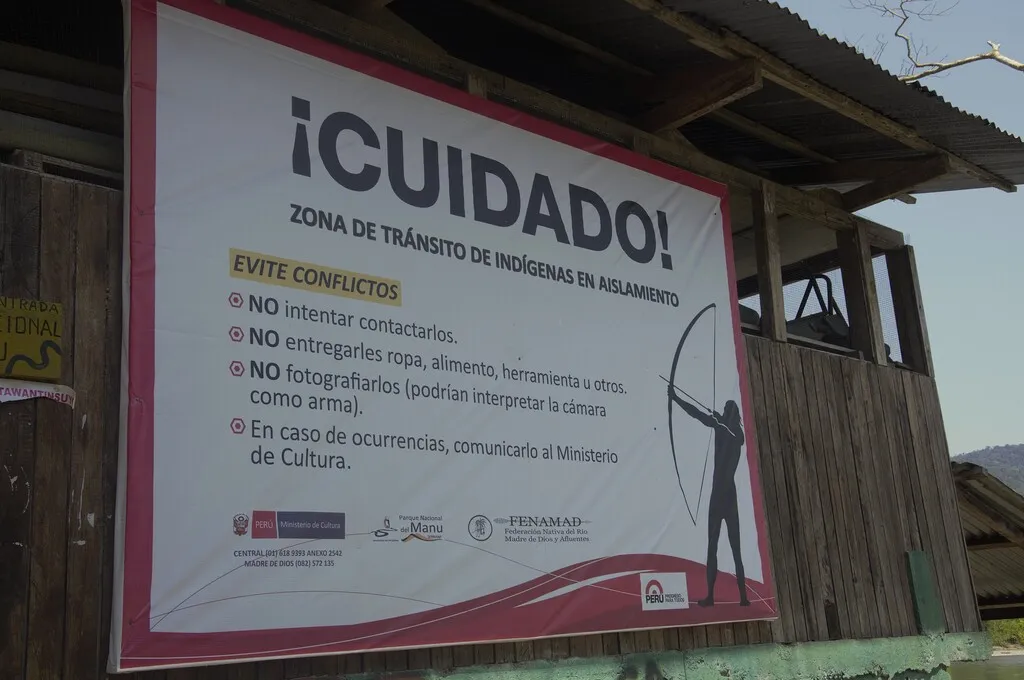
Yes, I had to relive my days of exploration in this unique destination. I was eager to set sail once more from Atalaya, to reconnect with nature and venture into the ancestral territories of the Yora, Mashco-Piro, Harakmbut, and Matsigenka peoples. I wanted to navigate at night in search of caimans or walk along winding trails where life expresses itself in countless forms, colours, and sounds.
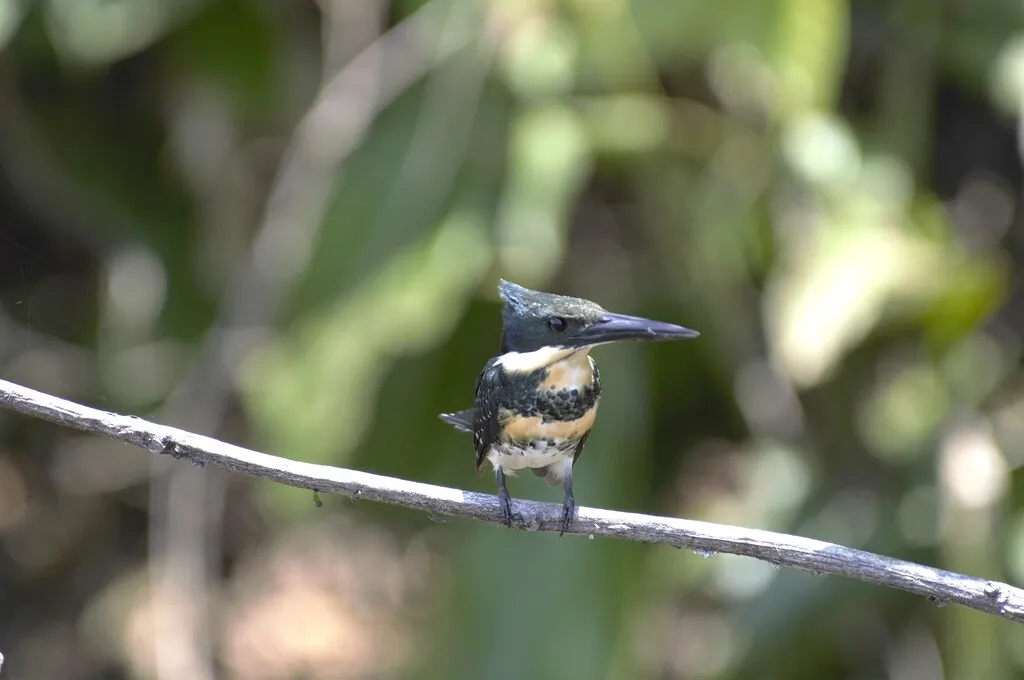
Now I am in the forest, on the river, on a lake. I see a flock of macaws painting the horizon with colour, a troop of monkeys performing acrobatics among the branches, and slender, elegant herons perched along the banks. I returned for that. I returned to breathe pure air, feel the protective shade of the trees, and enjoy the stillness of the cochas. I also returned to learn about the culture of the indigenous peoples.
Experiential learning
No lightning or thunder this time, at least not as fierce as the first time. Nor am I camping by the riverbank or sleeping on a raised platform. The years don’t go by in vain, and on my return to the green, the Casa Matsiguenka —a rustic yet welcoming lodge run by local communities— is my “base camp”, as well as an open-air classroom and even a football pitch without grass.
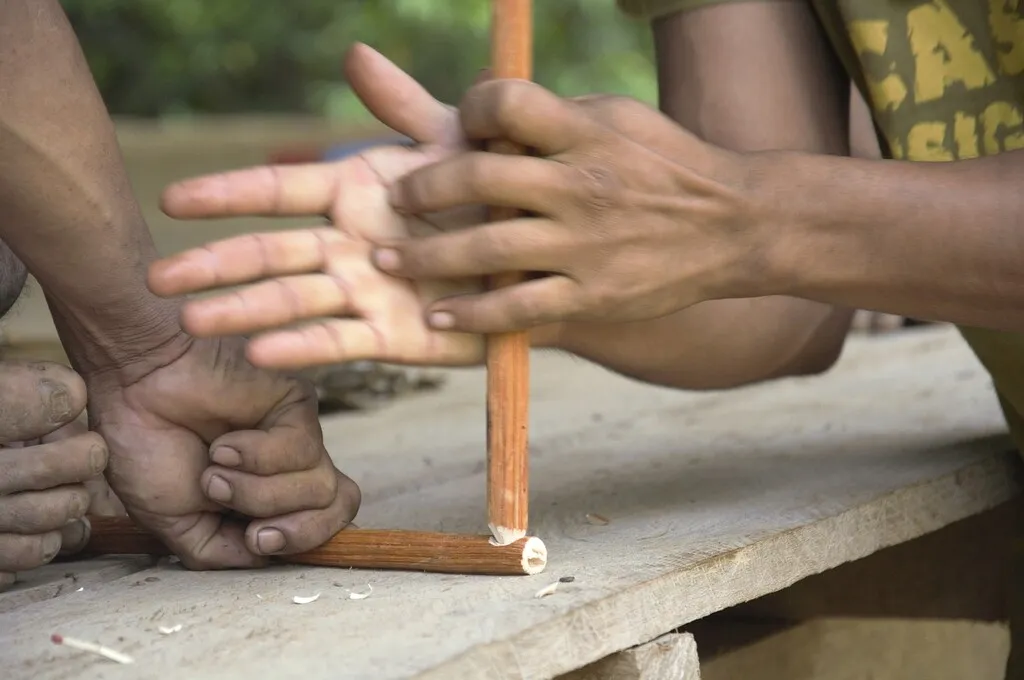
The Matsigenka people teach me how to make fire with a couple of sticks, how to use their bows and arrows, how to weave their cushmas (traditional tunics), how to “clear” the trails with a machete, and how to interpret the language of the forest. Exploring with them makes you see the jungle with different eyes — eyes of understanding, eyes of awareness, eyes of indignation towards those who seek to destroy this magnificent ecosystem.
“The same places, different experiences,” I reflect, while listening to the powerful roars of the howler monkey. I think it’s close by and imagine a huge, menacing creature. I’m wrong. This species is not aggressive. Its booming “voice” carries over long distances simply to announce its presence and to warn others of its kind to stay away from its territory.
Here, appearances and sounds are deceiving. A tiny insect can roar like a beast, while a snake that inspires fear turns out to be harmless. “Look and ask before you touch — or before you run!”, is the motto that guides me — half serious, half in jest — along the Amazonian trails. But up to now, I’ve never run away from the jungle.
Only from the city, with its overwhelming rush. That rush that “drowns” in the river waters, that “cools” with unexpected showers, that pauses when I search for a bird among the foliage. Today, as I long for the experiences and lessons I learned from the children of the forest, I wonder what will happen on my third time in Manu… that third time that will be the true one.
September 20, 2025