


Cusco: The hidden attractions of Calca
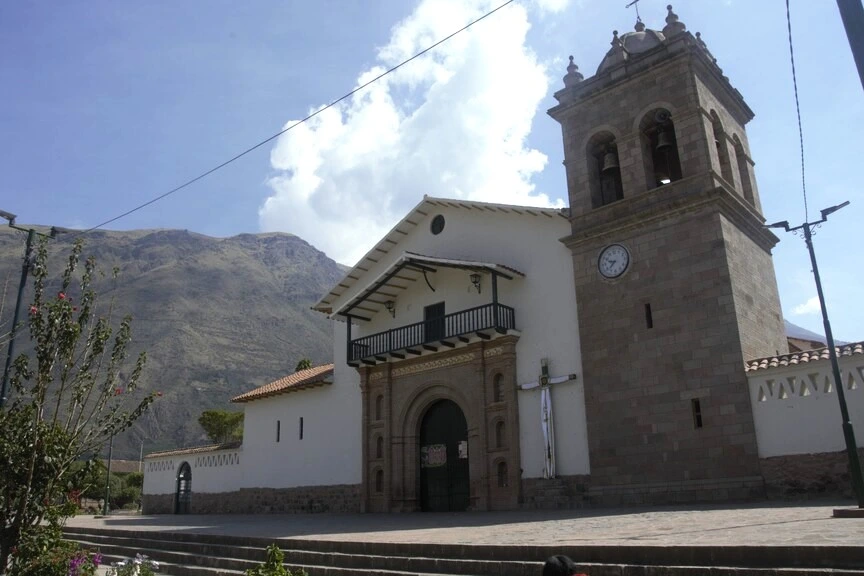
I’m going to state something obvious that, despite being so, is often forgotten: tourist Cusco neither begins nor ends with Machu Picchu. It would be foolish to deny the importance of this world-famous icon, just as it would be a mistake to believe that in the “Historical Capital of Peru”, and in the cities, towns, and communities of the region, there are no other places of great archaeological, cultural, and natural interest.
I’m not referring only to the routes that usually complement a visit to one of the Seven Wonders of the Modern World, such as Pisac, Ollantaytambo, and Chinchero in the Sacred Valley of the Incas; the hikes to Vinicunca Mountain or to the apus of Ausangate and Salkantay; or the lively free walking tour through Cusco’s Historic Centre, known as the “navel of the world” in Inca times.
It is also well known that travellers enrich their journeys with trips to the jungle, with Tambopata National Reserve (in the Madre de Dios region) and Manu National Park (in the Cusco and Madre de Dios regions) being the most popular choices due to their proximity. Excursions from the Andes to the Amazon are truly fascinating, as they allow you to witness how the mountain range gradually transforms into lush rainforest.
Another great option is to include nearby destinations such as Arequipa, the “White City”, and its region, home to the impressive Colca and Cotahuasi Canyons; and Puno, with its legendary Lake Titicaca — said to be the place from whose waters the founders of the Inca Empire emerged — and its festival in honour of the Virgin of Candelaria, an explosion of faith, music, dance, and colour at 3,827 metres above sea level.
What I’ve described so far is more or less the classic and conventional route. I’m not saying that following these paths is wrong, nor that you shouldn’t visit any of the places mentioned above. The aim of this text is to show you other points of interest, so you can broaden your range of options. The more choices you have, the greater the chances that the itinerary you design will be absolutely perfect for you.
A saint from Lima in Cusco
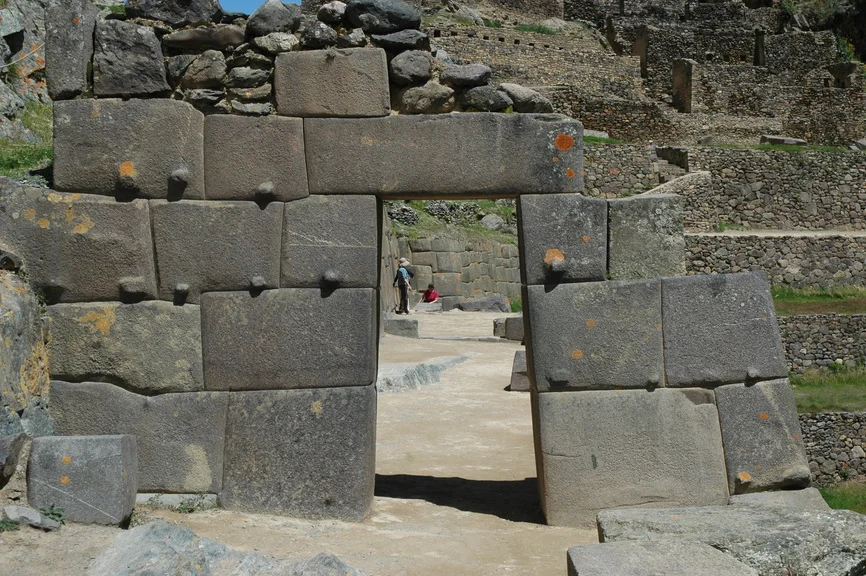
For many people, the province of Calca is the very heart of the Sacred Valley. Its archaeological “heartbeat” is felt most strongly in Pisac (2,972 metres above sea level), the Inca monumental site famous for its impressive agricultural terraces. In the town of the same name, bartering is still practised in the handicraft market. If you’d like to know more, I invite you to read this post.
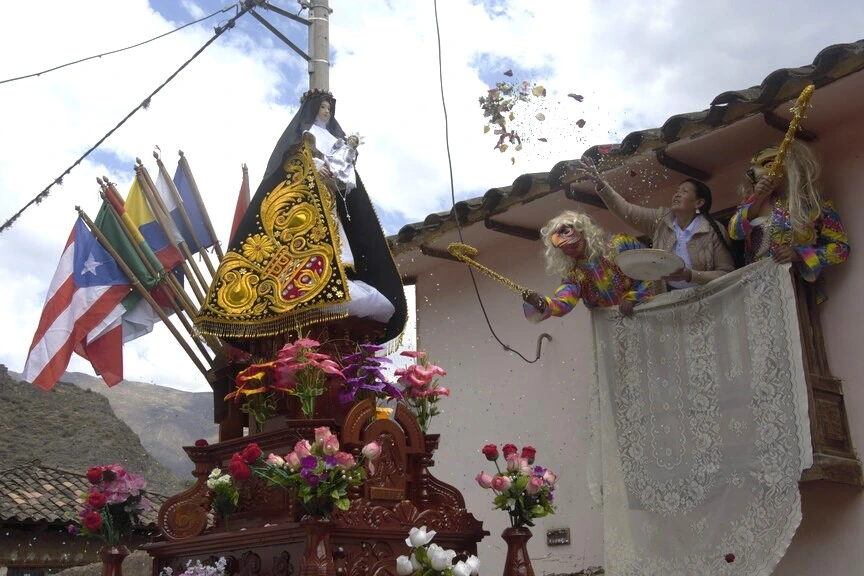
What I can’t quite remember is whether I’ve already written about the feast of Saint Rose of Lima in Lamay, one of Calca’s districts (52 km from Cusco). At the end of August, out of faith and tradition, a series of folk dances take place featuring mischievous characters known as saqras. They try to lead the first saint of the Americas down the wrong path, doing so from balconies and rooftops.
They never succeed, but every year they try. Because of its unique features, this religious celebration shares several similarities with the festival of the “Mamacha” Carmen of Paucartambo — one of the most popular and lively festivities in Cusco — making it a wonderful alternative for travellers who, for different reasons, cannot be in the “navel of the world” between 15 and 18 July.
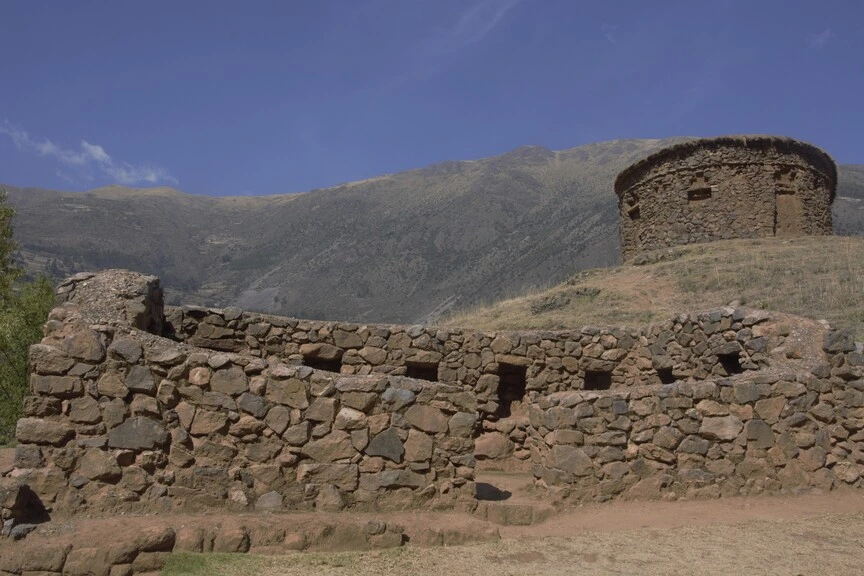
While you’re in Lamay, take advantage of the festive breaks to slip away to an archaeological site which, according to this blog about Calca, “is considered the Ancient Inca City and the Capital of the Sacred Valley of the Incas”. Little visited and wonderfully quiet, “Urko, or Urcos as the chroniclers called it, was built on a truncated pyramid leaning against the eastern side of the hill of the same name, during the time of Inka Lloque Yupanqui”.
Terraced stairways and a circular tower with clay mortar stand out in this complex, which is believed to have belonged to Killeskachi Orqo Waranqa, son of Wiracocha Inka. The same blog mentions that the most important area of the site is the sanctuary of Wiracocha “the Elder”, which “is enclosed within a stone courtyard and has the head of an otorongo (jaguar), the body of a spondylus shell, the tail of a snake, and the shape of a toad”.
A getaway to Yucay
Visiting Urqo wasn’t part of my plans. I first heard about it in Lamay, and then it was confirmed again in Calca, the welcoming provincial capital (2,926 m above sea level). And since curiosity doesn’t kill the traveller — according to the popular saying, that only happens to cats — I set off towards this hidden destination waiting to be discovered. The drive was short (2 km, about 5 minutes), and the journey was more than pleasant. So much so that I felt as if the huaca was there just for me.
But the getaway didn’t end there. From Urco, or Urqo, I continued along the road (14 km, approximately 30 minutes) to the village of Yucay (2,857 m above sea level), in the neighbouring province of Urubamba, where I visited a museum. What I would see in its different spaces would bring me even closer to the roots, traditions, and customs of the people of the Sacred Valley.
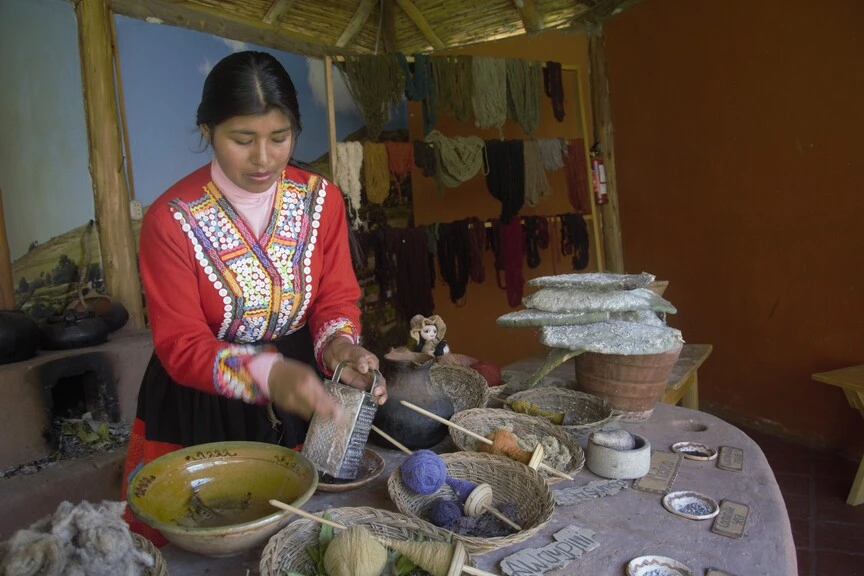
Exploring and learning about the heritage and legacy of the ancient ones — that is the essence and spirit of Yucay Living Culture Museum. As its Facebook page proudly announces, “you’ll be able to discover workshops, art, gastronomy, and customs that remain alive thanks to the work of our communities”, celebrating and preserving Andean wisdom.
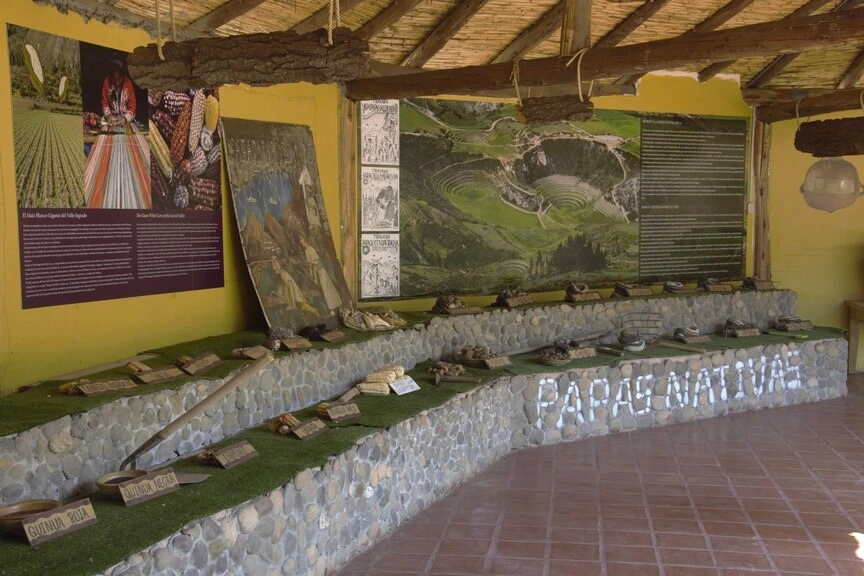
Coca leaf readings and the reasons behind the offerings paid to Mother Earth. The preparation of chicha and traditional Cusco breads in handmade clay ovens. Demonstrations of weaving and dyeing alpaca and sheep wool, among many other activities, take place every day in open-air areas or in indoor spaces inspired by Andean architectural lines, giving the museum a truly special atmosphere.
Make the most of your visit by purchasing handicrafts made by local community members, or by trying one (or several!) flavours of fresh fruit ice cream. This is a museum where you don’t only learn — you also get to taste local ingredients in its restaurant and raise a toast with a Cusco beer at the themed bar.
Thermal Relaxation in Lares
I’m truly sorry. The original idea behind this story was to describe alternative places in different provinces of Cusco, but, as you can see, for some strange and inexplicable reason — perhaps due to the divine intervention of Saint Rosita of Lamay — I ended up staying in Calca. That wasn’t the plan, although, as often happens on the road, the best plan is the one you make as you go. So I won’t be changing course.
That said, I do promise to explore the places of interest that were left pending today in future posts. Patience. I’ll be sure to share tips about the Mandor waterfall in Machu Picchu Pueblo; the terraces of Zurite, in the province of Anta; and Santo Tomás, the fearless capital of Chumbivilcas, where the legendary qorilazos stand out as magnificent horsemen of the highlands.
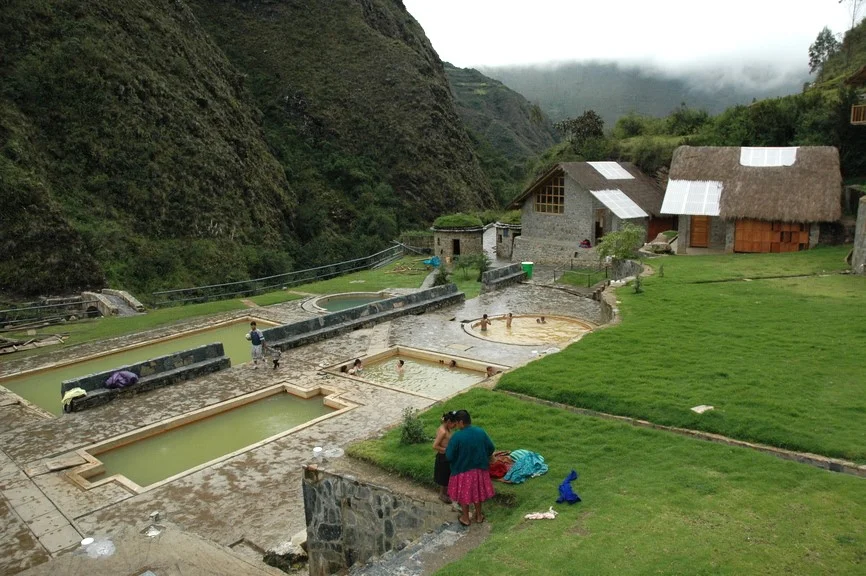
Those very highlands were what I had to climb to enjoy the thermal baths in the district of Lares (at 3,250 m above sea level and 60 km from Calca). Rest, relaxation, and pure enjoyment await in its six pools, fed by a volcanic hydrothermal stream that rises through cracks in the earth. Thanks to their high mineral content, these waters — ranging from 35°C to 48°C — are considered beneficial for your health.
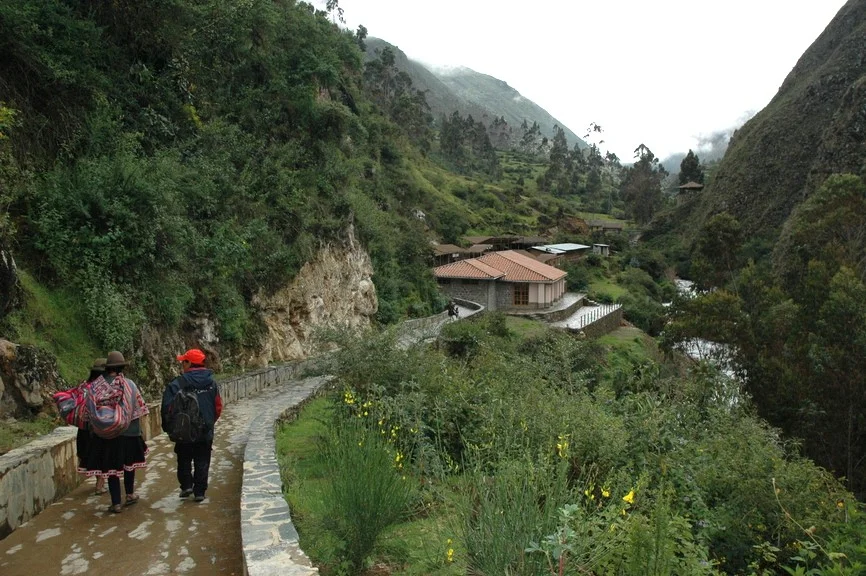
Wellbeing and fun — two in one — at the thermal baths, which are not the district’s only attraction. Here you’ll also find nature, stunning landscapes, and living culture within the local communities. There are even pre-Hispanic trails waiting to be explored. The Lares Trek is an alternative to the Inca Trail to Machu Picchu: a 3- or 4-day hike covering roughly 33 km.
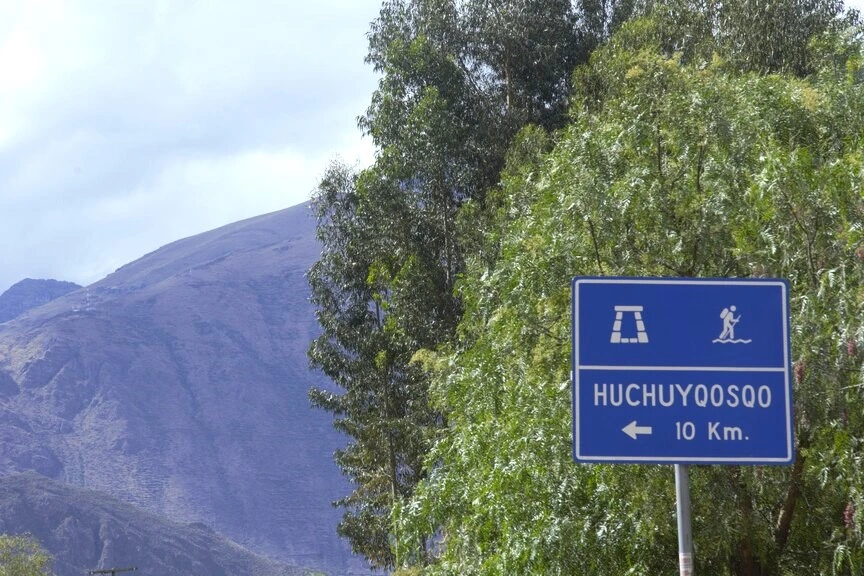
And so, between prayers, dances, and processions, learning experiences and wanderings through lonely archaeological sites, and finally, refreshing dips in healing waters, we discovered together a little more of the Sacred Valley and the province of Calca. Before I finish, I want to share some good — or perhaps bad — news: I didn’t tell you anything about Huchuy Qosqo, or Qaqyaqawana, a little Inca gem that I explored many years ago.
Well then, I’ll have to return to refresh my memories and write about it here. Hopefully, we’ll meet somewhere along the way.
January 20, 2026