


Cusco: How to avoid altitude sickness?
“Altitude is no myth,” warn coaches and footballers from the lowlands whenever a match at 3,400 metres above sea level in Cusco is approaching. Whether the statement is entirely true or not, it often sounds like a pre-emptive excuse. It is well known that visiting teams rarely do well on the pitches of the “Imperial City” — so much so that even a draw is often celebrated as a heroic result.
In the “navel of the world”, defeats are blamed on the altitude, while victories are said to come in spite of it. Well, at least that is what today’s players argue, sometimes with a hint of frustration. What they may not know — or perhaps have forgotten — is that years ago their colleagues would embrace oxygen cylinders with the enthusiasm of a goal celebration, using them to catch their breath and carry on playing at the fearsome Daniel Alcides Carrión Stadium in the Pasco region.
At 4,380 metres above sea level, it became the highest professional football ground on the planet, a title it would lose in 2001 when Unión Minas, the local club that had spent 16 years in the top division, was relegated. During those years, when cold, snow and altitude combined like a perfectly played one-two, even the home players and supporters sometimes wished the match would end quickly so they could retreat to the changing rooms or head back home.

When that happened in Pasco, everyone agreed that altitude is no myth. It certainly isn’t in football. Nor is it in tourism — an activity in which, unlike what often happens during football matches in Andean cities, visitors usually do very well. In fact, they do so well that it’s no exaggeration to say that during your holiday you’ll beat soroche, or acute mountain sickness, by a comfortable scoreline.
That said, there are occasions when altitude sickness scores the opening goal, putting the final result at risk. If that happens to you, don’t worry. In this text — inspired by and full of football references, perhaps because of the World Cup atmosphere — I’ll share several tips to leave soroche caught offside and, in more serious cases, show it the red card. Yes, the best option is to send it off your trip entirely.
What is the acute mountain sickness?
You arrive at your destination full of excitement, eager to make the most of every minute. But something happens as soon as you step off the plane, or when the bus takes the final bends on the road. You feel nauseous, dizzy, your temples begin to throb, and you may even find it hard to breathe. It’s frightening. You don’t know what’s happening. What you don’t realise is that these discomforts are some of the symptoms of a temporary and short-lived condition.
You’re not the first — and certainly won’t be the last — “victim” of soroche, as we Peruvians call acute mountain sickness (AMS). It “affects climbers (mountaineers), hikers, skiers or travellers at high altitudes, generally above 8,000 feet (2,400 metres)”. It is “caused by a reduction in atmospheric pressure and the lower levels of oxygen found at high elevations”.
The website MedlinePlus also explains that the faster the ascent to high-altitude areas, the greater the chances of “developing acute mountain sickness”. For that reason, if you are in Lima and planning to travel to Cusco, a good strategy is to visit Arequipa first. The 2,400 metres above sea level of the “White City” make it an ideal place to begin the acclimatisation process.
If your itinerary includes hikes along the mountain trails of Cusco, don’t make the mistake — or the reckless decision — of setting off the moment you step off the plane or bus. The best approach is to wait a couple of days before taking your first steps on the trail. Studies show that symptoms usually appear within the first 24 to 48 hours. A useful tip: avoid overexerting yourself during that period.
Instead, take the time to explore the city and its surroundings at a relaxed pace. Returning to our football analogy, don’t rush straight into “attack”. Remember that teams that dare to do so are often defeated by Cienciano, Cusco FC, and Deportivo Garcilaso — the “Inca” clubs that compete in Liga 1. The moral of the story: caution is an excellent companion, both in football and when travelling at high altitude.
Remedies for soroche
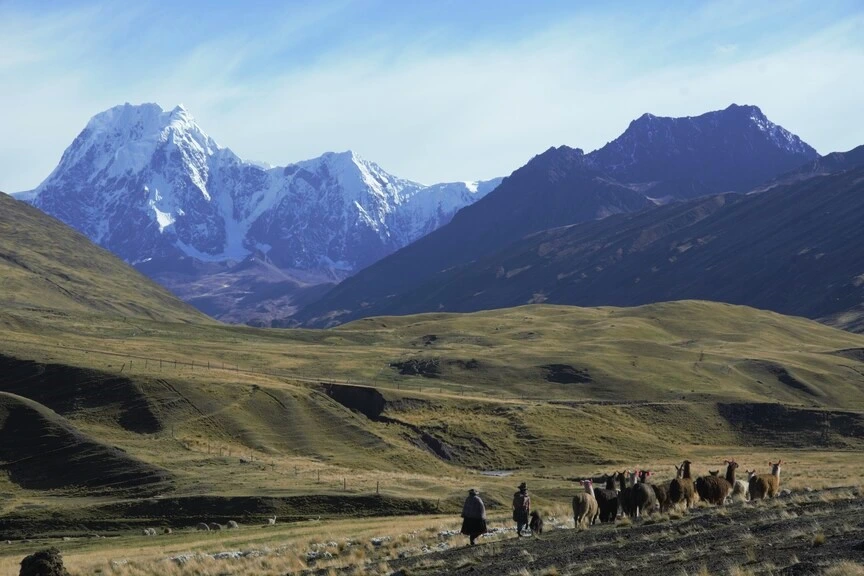
Caution, yes; fear, never. Altitude sickness does exist, and it would be foolish to deny that it affects travellers — not everyone, but some people, and in different ways. Will you be one of them? Perhaps yes, perhaps not. It’s difficult to know. Either way, don’t be afraid or stressed about the possibility. Soroche isn’t an invisible monster trying to steal your oxygen, your appetite and your sleep just to ruin your holiday.
Nor is it a curse or a punishment imposed by the Andean gods. As I mentioned earlier, it’s a temporary condition. That doesn’t mean you should ignore it or neglect yourself if its symptoms appear (headache, dizziness, fatigue, nausea, difficulty breathing and trouble sleeping). If the altitude does begin to affect you, rest until you feel better. And if the discomfort persists or worsens, seek specialised medical attention.
In its Guide to Travelling at High Altitude, the High Altitude Research Institute at Peruvian University Cayetano Heredia emphasises that “the most important thing is to consult your trusted doctor before your planned trip”. This recommendation is even more important if you have a pre-existing health condition or if you have never been thousands of metres above sea level before.
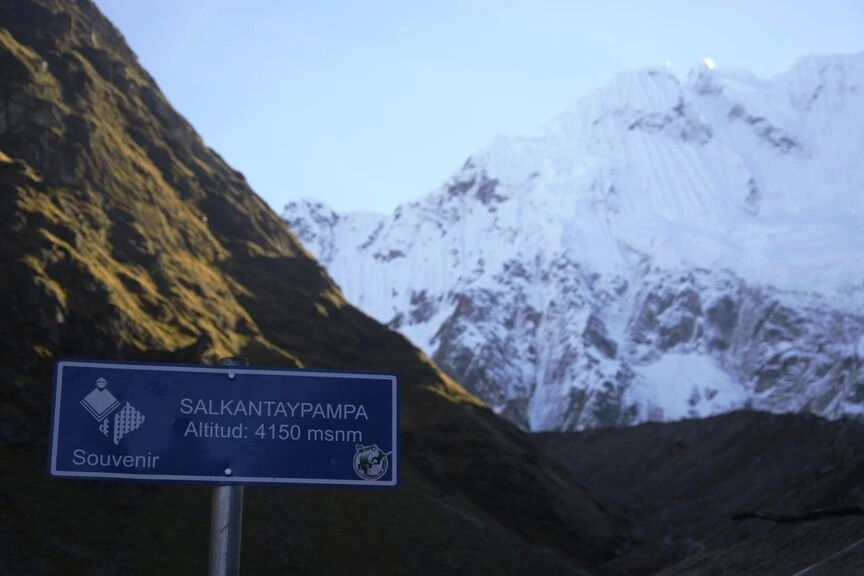
The document explains that “as altitude increases, the proportion of oxygen in the surrounding air decreases, and this can cause changes in the body — particularly if the ascent is rapid or if you plan to travel to very high elevations…”. In another section of the guide it notes that the condition is “common above 2,500 metres” and that the illness usually develops “within one to two days after the ascent”.
And, like most ailments, it does have remedies. The specialists at the High Altitude Research Institute (IIA) recommend the following measures: stop ascending and rest; take paracetamol and antiemetics (medications that help prevent nausea and vomiting). In mild cases, they suggest that you “consider Acetazolamide, 250 mg every 12 hours”, and “for severe illness: Dexamethasone, 4 mg every 6 hours for 24 hours”. If symptoms persist or worsen, the advice is clear: descend to a lower altitude or use supplemental oxygen.
Tips for travellers on the road
From science to travellers’ wisdom. The roads teach us. On the road, you learn. After many journeys to and from the highlands, you gradually “collect” practical tips to prevent or cope with soroche. I’ll share them with you because I truly hope you enjoy every minute of your journey in Cusco — Peru’s leading tourist destination thanks to its extraordinary archaeological, cultural and natural heritage.
Before we begin, it’s worth clarifying that the following tips are not foolproof, although experience suggests they are quite effective for many travellers. So, take note: before travelling, eat well and in moderation, avoid excessive alcohol, and try not to stay up late the night before. A well-rested body adjusts to altitude much more easily.
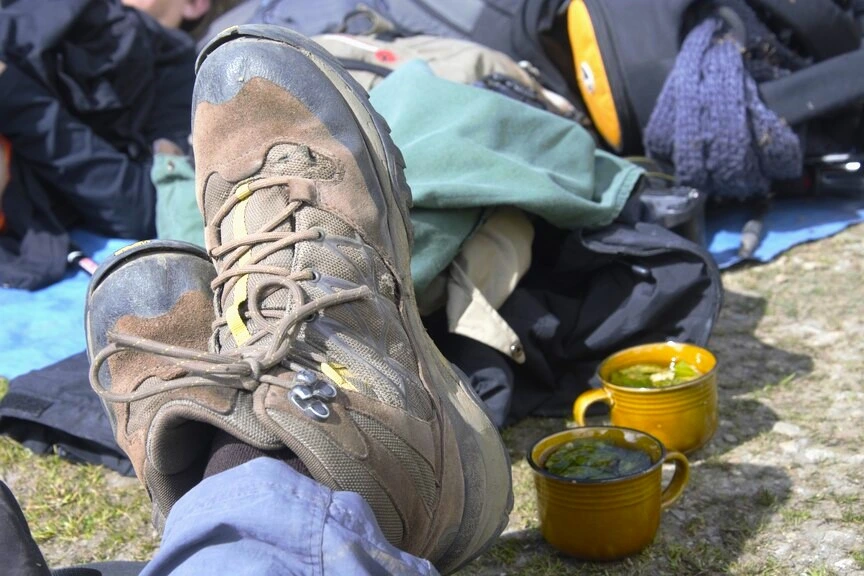
During the journey, stay calm and try not to think about the thousands of metres above sea level. Ignoring the “opponent” can be an excellent way to beat it. If you are travelling by bus and it stops at a roadside restaurant, order a light meal or a cup of mate de coca (coca tea). This ancestral drink can help you cope better with the climb. Lemon sweets are also reliable allies against the acute mountain sickness. Many travellers swear by them — and I’m one of them.
When you arrive at your destination, try not to rush about. Put on a jacket when you step outside — in the Andes the sun can be rather deceptive and often fools newcomers. Walk at an easy pace and take deep breaths. Once you reach your hotel, rest for a while. Rest is very important. One “trick” that more and more travellers use is to head straight from Cusco to the Sacred Valley of the Incas, where the altitude is lower and the climate a little kinder.
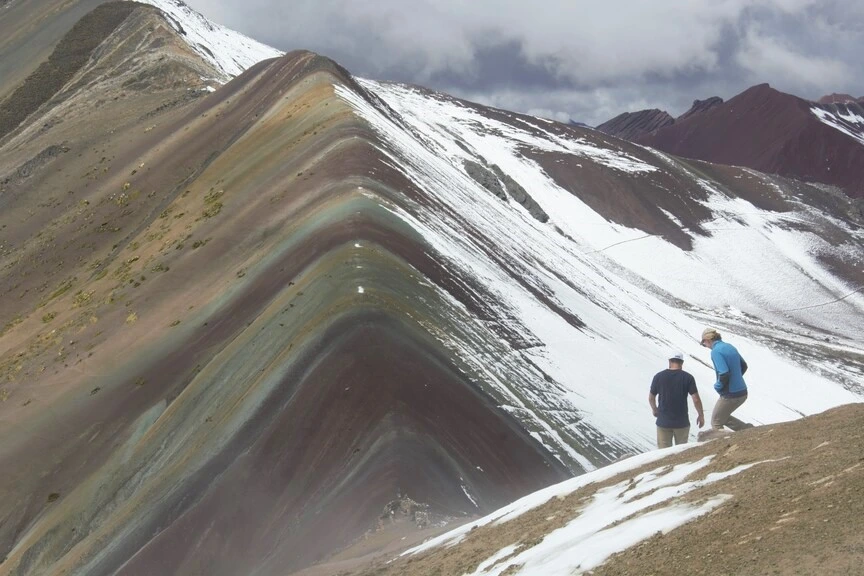
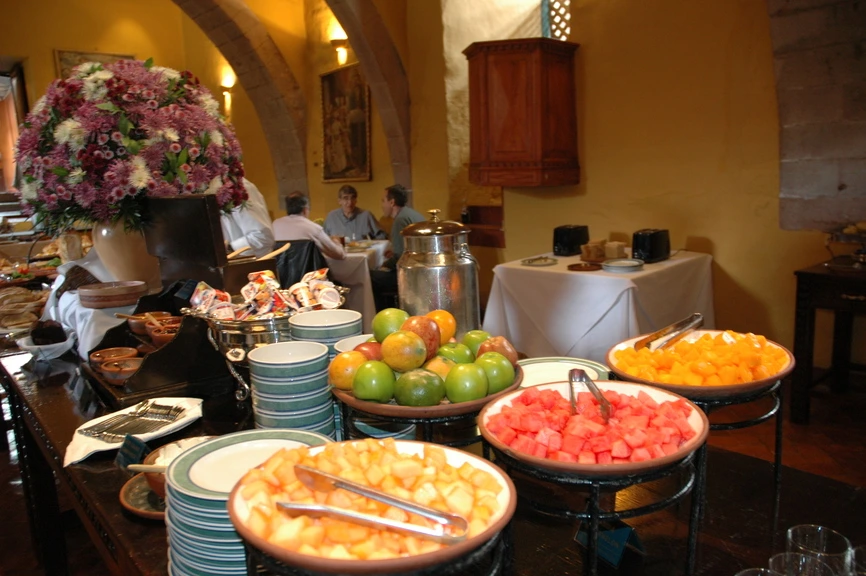
Whether you stay in the city or in the valley, don’t overload your itinerary during the first few days. For instance, it’s not the best idea to visit Vinicunca, the “Mountain of Seven Colours”, the day after you arrive. Your body will not yet be acclimatised and you’ll be more vulnerable to altitude. One final tip: be moderate at breakfast, lunch and dinner, as digestion tends to take longer at high altitude.
Did you know that? … Well, never mind. What truly matters is that, with or without a touch of soroche, you have a wonderful time in Cusco.
March 7, 2026