


Cusco is nature: Discover it!
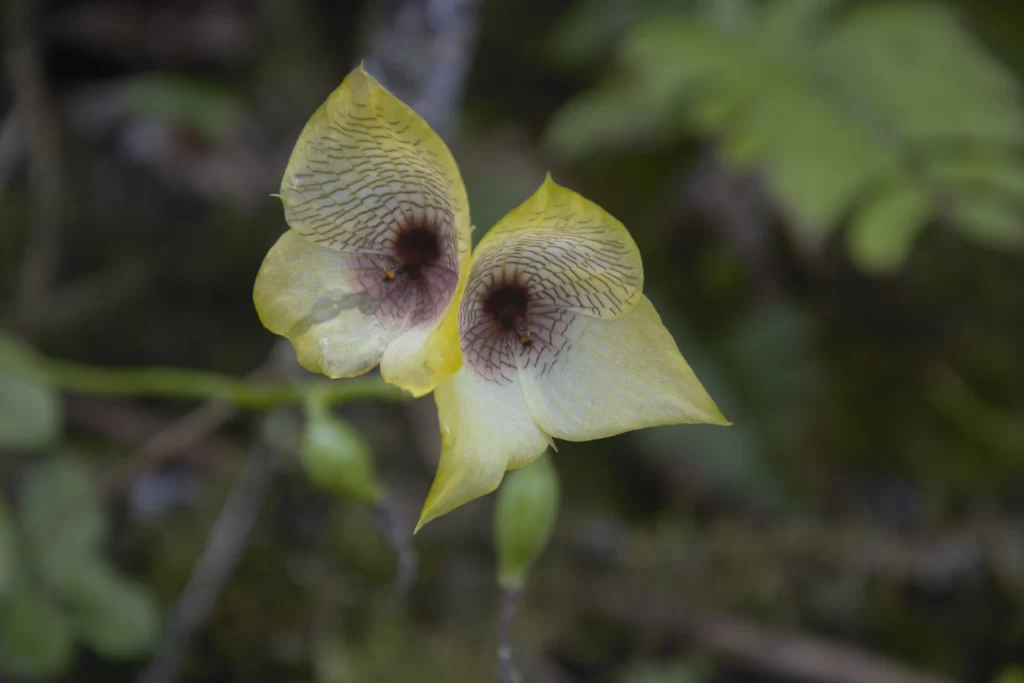
Visiting Peru and not setting aside a little time to get close to its wild flora and fauna is a travel mistake you really shouldn’t make. I would even dare to say it would be unforgivable not to explore — even if only for half a day — at least one of the 77 areas protected by the State, true ecological strongholds of biodiversity that represent 18 per cent of the country’s territory.
If we add to that the regional and private conservation areas — lands protected by local communities and individual landowners — the options for escaping into parks, reserves and sanctuaries, among other environmental categories, become numerous and wonderfully diverse. There are no excuses. Venture into the surprising and ever-changing geography of one of the planet’s megadiverse countries.
Peru is an explosion of life. It is a jaguar waiting patiently for its prey. It is a spectacled bear scattering the seeds that will restore the forest. It is a hummingbird sipping nectar from flowers. It is a humpback whale mating along the northern coast. It is a majestic condor soaring high above, a vicuña beautifying the plains, an Andean puma patrolling through the night.
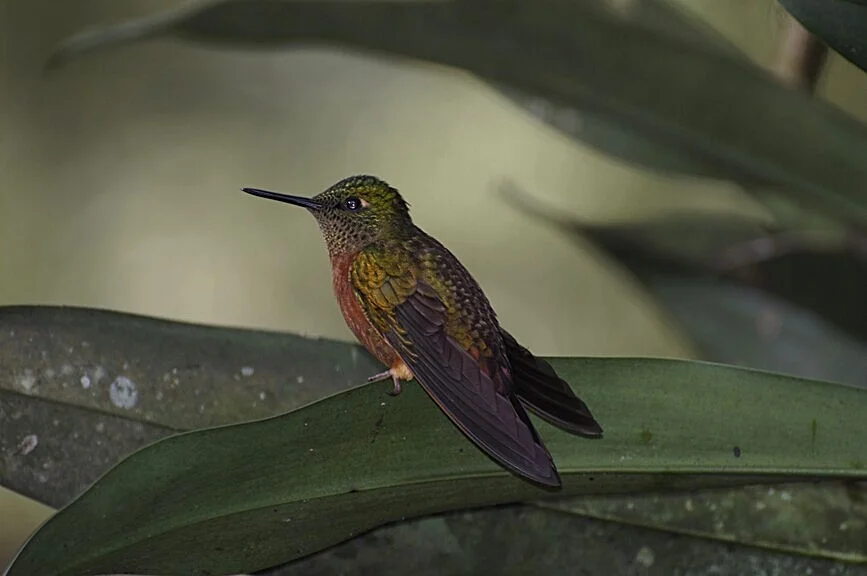
So much to discover across its 84 life zones (out of the 117 found on the planet), which are home to more than 500 species of mammals, 450 species of reptiles (ranking fifth worldwide), and 1,900 species of birds (second or third place on the planet). And there is even more wildlife, along with more impressive figures: within our territory there are 18 mountain ranges, and 71 per cent of the world’s tropical glaciers are found in Peru — your next destination.
A destination that, more often than not, has Cusco as its unique or main setting. If that is your case, don’t worry. Nature, flora and fauna are just as extraordinary in this Andean and Amazonian region. Within its 71,986 square kilometres, you will find sanctuaries, national parks, communal reserves, as well as conservation areas that include forests and high-altitude landscapes.
Between history and biodiversity
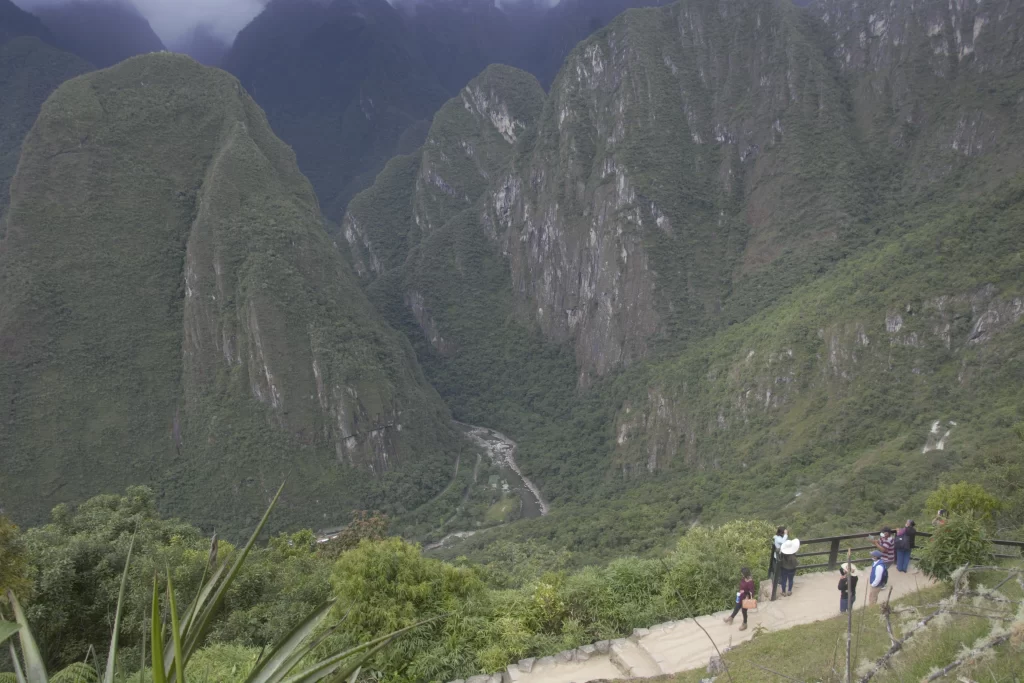
Machu Picchu is much more than a llaqta (stone city or village). In its forested and mountainous surroundings, flora and fauna reveal themselves in many different ways. Did you know that? Perhaps you did, perhaps not — either way, it doesn’t matter. I’m going to share several details about the biodiverse side of one of South America’s most iconic destinations, declared a Mixed Cultural Heritage Site by UNESCO in 1983.
Here, the past and nature come together in a place filled with energy. Because of the outstanding historical and cultural value of its archaeological sites and monuments, it was declared a Historic Sanctuary by the State, as explained on the official gob.pe website. But that’s not all: Machu Picchu “also holds significant environmental value, with forested areas, steep mountains and snow-capped peaks”, as noted on the same site.
So now you know — keep your eyes wide open, not only to be amazed by the monumental stone walls of the llaqta, but also, why not, to look out for some of the species that inhabit this transition zone between the Andes and the Amazon. Many of them are representative and emblematic, such as the Andean cock-of-the-rock — Peru’s national bird — the Andean condor, the fox, the puma, the vizcacha and the spectacled bear.
You might not be lucky enough to spot them. But they are there — high in the mountains, hidden among the foliage and, at times, just a few steps from the urban area of Machu Picchu Pueblo, where I once saw a female bear with her cub. They were feeding in the trees (they are magnificent climbers thanks to their large claws) that line the banks of the Urubamba River. It was a magical moment and a completely unexpected sight.
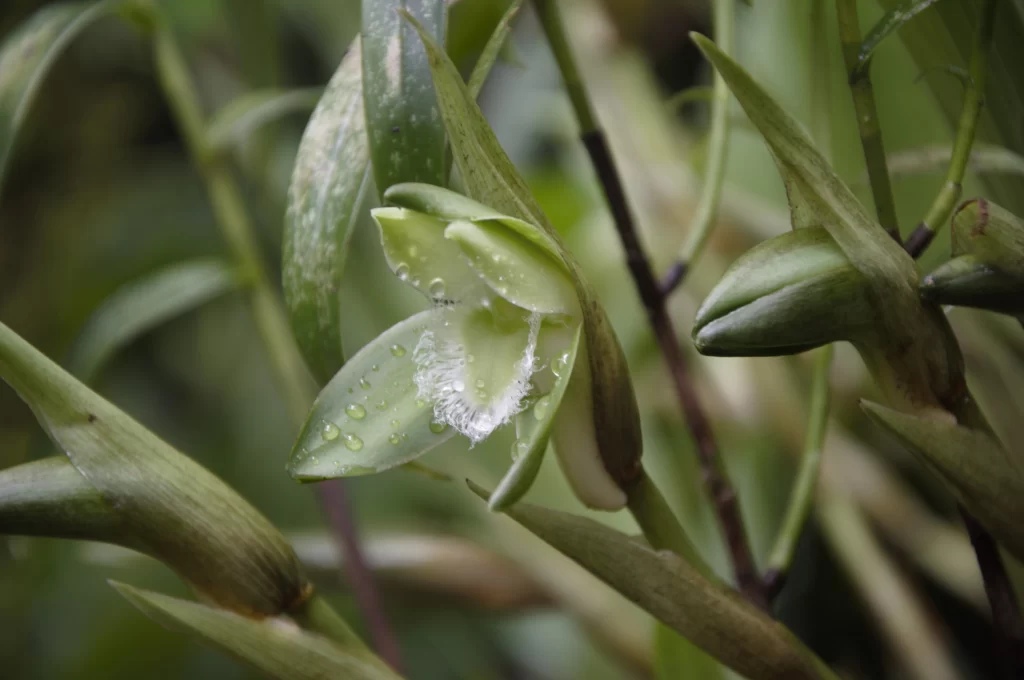
There are other natural treasures as well, such as orchids. These reach “exceptional levels within the sanctuary”, where “340 species have been recorded — around 20 per cent of the total variety of the 1,700 species identified in Peru”, as noted on the previously mentioned website. Waqanki (“you will cry”) and wiñaywayna (“forever young”) are the Quechua names of two particularly striking native orchids.
High-altitude rainforest
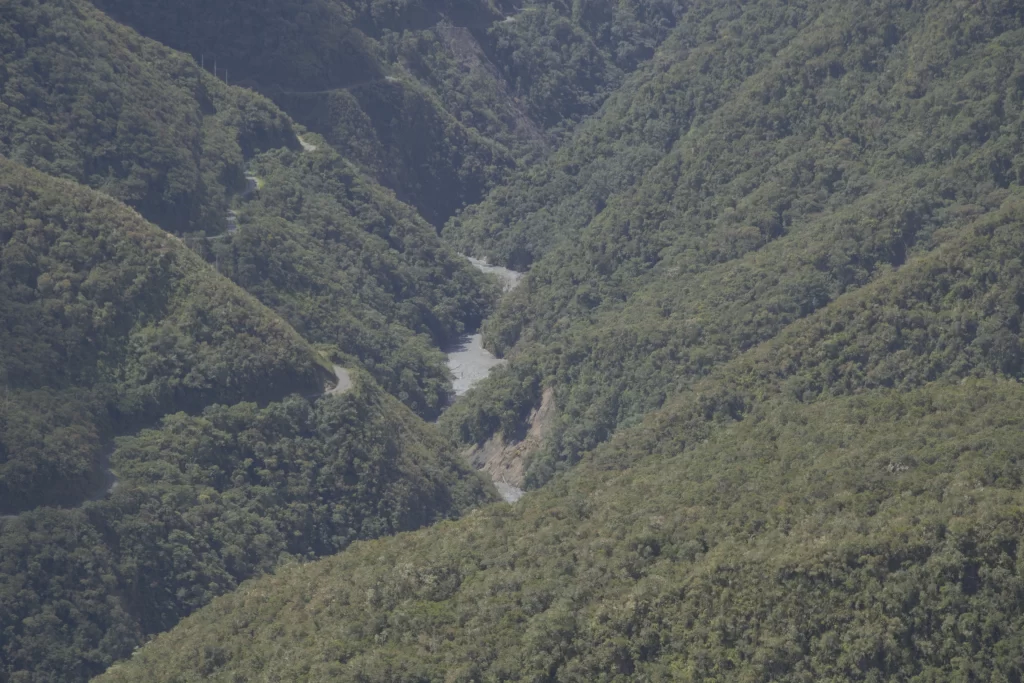
First lesson: the cloud forests of Paucartambo Province (Cusco region) are like giant sponges that absorb water and then release it slowly and steadily. As the water flows downhill, it forms streams and ravines that feed the great rivers of the Lowland Amazon. That is their importance, and why they are part of the Manu National Park and Biosphere Reserve.
Second lesson: the Andean cock-of-the-rock (Rupicola peruvianus) is both brave and an outstanding dancer. Brave because its colourful plumage — bright red or orange on the body and head, with black wings — makes it easy for predators to spot. The males put themselves on display so that the females (whom they “woo” with unusual dance movements) and their chicks can remain safe — always safe.
Third lesson: Manu is not only fascinating in Madre de Dios (where the forest opens into vast Amazonian plains and navigable rivers). It is equally remarkable in Cusco. In this region, highlights include the Tres Cruces del Oro viewpoint, famous for its spectacular sunrises; the cock-of-the-rock leks along the Paucartambo–Pilcopata route; and the Wayqecha Biological Station, which welcomes visitors eager to learn about the importance of cloud forests.
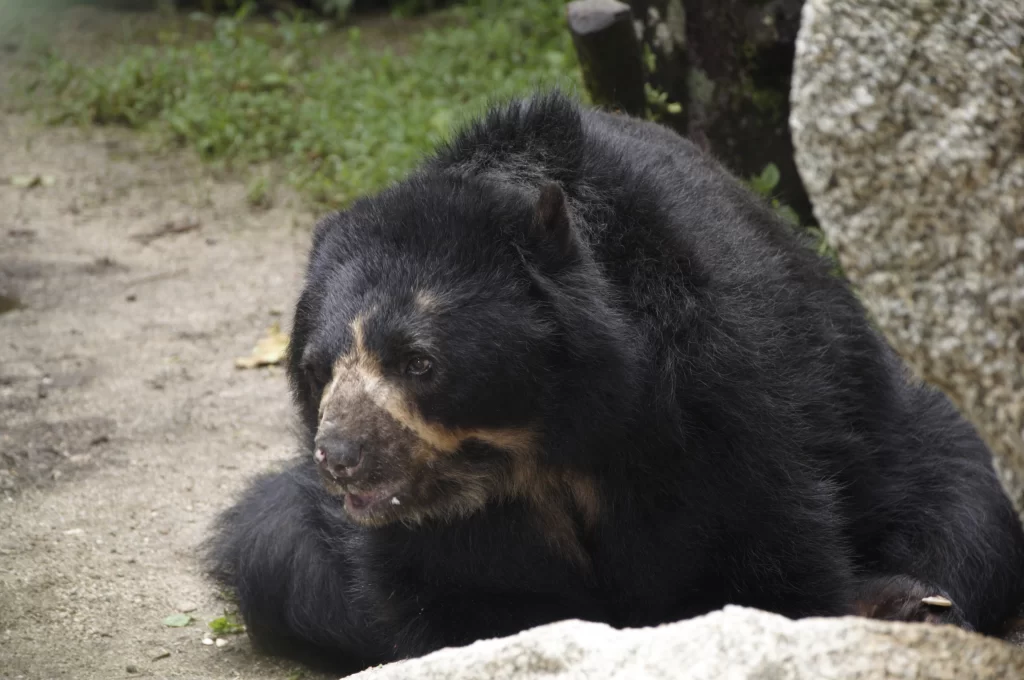
This is Manu — this is Cusco showcasing its biodiversity in its high-altitude forests, which in the Kosñipata Valley transform into pristine primary rainforest. Farewell to the mountain greenery at Patria and Atalaya — the end of the road and the beginning of river travel by boat towards the lodges of a national park that, across its 17,163 square kilometres, embraces a wide range of ecosystems, including areas rising above 4,000 metres above sea level.
You decide whether to extend your excursion for several days or remain on the Cusco side to learn a few more lessons. Perhaps about the spectacled bears that live in the mountains and travel great distances. Maybe about the birds that attract ornithologists and birdwatching enthusiasts. Or perhaps about the orchids that grow vigorously in a forest that absorbs and creates water… creates life!
Cusco is conservation
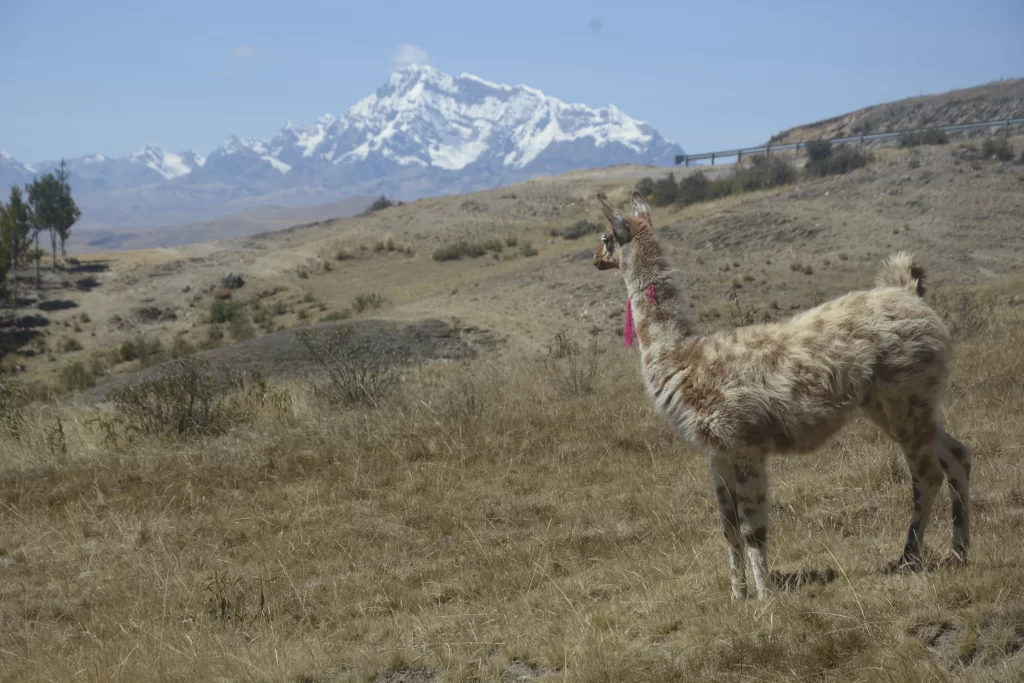
The territory of Cusco is so valuable that, beyond the areas protected by the State, the regional government has created conservation areas within its boundaries. The aim is to preserve natural landscapes that provide important ecosystem services to local communities, while also serving as refuges for many species of flora and fauna that are vulnerable or endangered.
Because of their unique characteristics, these Regional Conservation Areas (ACRs) include or are linked to well-known destinations such as Choquequirao, an archaeological site reached on foot along a trail that winds through the Apurímac River canyon; or Ausangate, one of Cusco’s revered apus (sacred mountains), where a five-day trekking route leads you across landscapes thousands of metres above sea level.
Tres Cañones, in the province of Espinar, is another ACR with great tourism potential. Here, the Apurímac River receives the waters of the Callamani and Cerritambo rivers. On its own, this meeting of waters might seem unremarkable — were it not for the fact that the river channels are enclosed by towering walls of volcanic rock. It is a spectacular formation that you can admire from a bird’s-eye view at the top of the archaeological complex of T’aqrachullo.
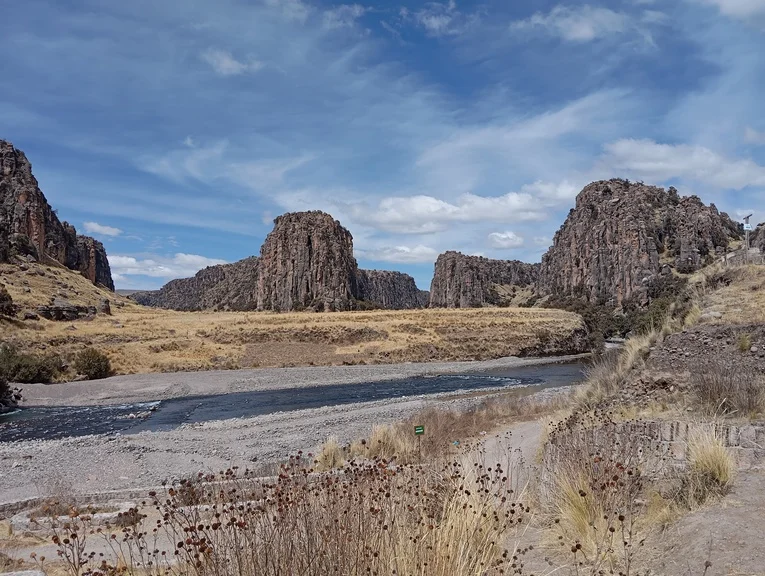
Add to this the groves of long-lived Puya de Raimondi — plants that can live for a hundred years and are considered to have the largest flower cluster in the world — along with forests of queñuales (Polylepis), a native tree now endangered, and a rich variety of Andean wildlife. Here you may find tarucas (Andean deer), condors, pumas, vizcachas, llamas and alpacas, among many other species that inhabit altitudes between 3,500 and 5,000 metres above sea level.
Q’eros–Kosñipata is another Regional Conservation Area in Cusco. Located in the province of Paucartambo, between Manu and the Amarakaeri Communal Reserve, “its 55,000 hectares of still-intact forests will help conserve the high Andean punas of the central Andes and the Peruvian yungas, considered among the most fragile ecoregions in our country”, as explained on the website of the NGO Pronaturaleza.
One more reason to convince you that Cusco is truly a nature destination — and how could it be otherwise, when it lies within one of the most megadiverse countries on the planet?
March 21, 2026