


Cusco: Discovering the South Valley
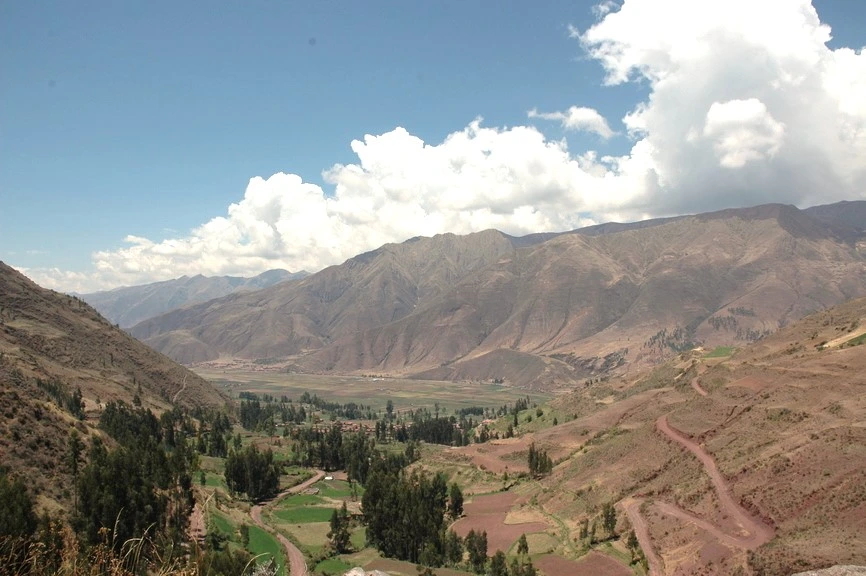
If we could travel back in time, right now I wouldn’t be wandering back and forth through the stone gateway standing beside a road that leads south — or even further south. That would be impossible. In the past — a past I imagine under a bright, shining sun — a grumpy-looking guard would be asking me why on earth I wanted to enter or leave the “navel of the world”.
If we stepped back in time, I wouldn’t be a traveller sightseeing among ancient stone walls now turned into archaeological remains. Not at all. Perhaps — just perhaps — I would be busy with some administrative duties. I can’t picture myself as a ruler or a warrior, let alone a priest, in the “town of fleas” built by the men of the first empire of the Andean world.
On that journey through time, I would forget about photos, travel notes and stories from the road. Instead, I would be sowing and harvesting on the agricultural terraces carved into the mountain slopes by the “Sons of the Sun”, while priests and other important figures of the Tawantinsuyo paid tribute to the water that makes Mother Earth fertile, here in this “place in constant bubbling — a place that seems to boil”.
On that journey through time, I would hear a strange language inside a temple that looks nothing like those of my own deities. There, surrounded by paintings and murals of angels and demons, they would speak to me of an Almighty being I could not see — unlike the sun, the earth, and the mountains. They would also tell me about heaven and hell, and suddenly I would feel confused in those places known as the “houses of God”.
A journey through time in the so-called South Valley, where my imagination ran free. And I felt like a questioned wanderer at Rumicolca, the gateway in and out of Cusco; a Wari official in the administrative centre of Pikillaqta; a farmer making the agricultural terraces of Tipón flourish; and finally, a hatun runa (ordinary person), being instructed in a colonial temple.
A historic valley
A route full of attractions. A destination that is easy to reach and perfect for a return trip in just one day, whether on a guided tour or using public transport. If you enjoy travelling and letting history fire your imagination, set your adventurous steps towards the pre-Hispanic archaeological sites and the baroque colonial temples of Cusco’s South Valley — a geographical space that runs parallel to the course of the mythical Urubamba River.
Don’t confuse it with the Sacred Valley of the Incas. That is a different destination. You should visit it too, of course, because it is beautiful. After all, as we Peruvians often say, “one is none” and “there’s no first without a second”. We also like to say that “the third time’s the charm”, in which case you might head, for example, to the Kosñipata Valley, the green and mountainous gateway to the Manu Biosphere Reserve.
It’s best to stop there, to avoid the idea that “there’s no such thing as a bad fifth”. If that happened, this text would lose its way and drift away from the south — that south where the Wari built an administrative centre before the rise of the Sons of the Sun; that south where the Incas worshipped the water that nourished Pachamama; that south where the houses of the God of conquest are true works of art.
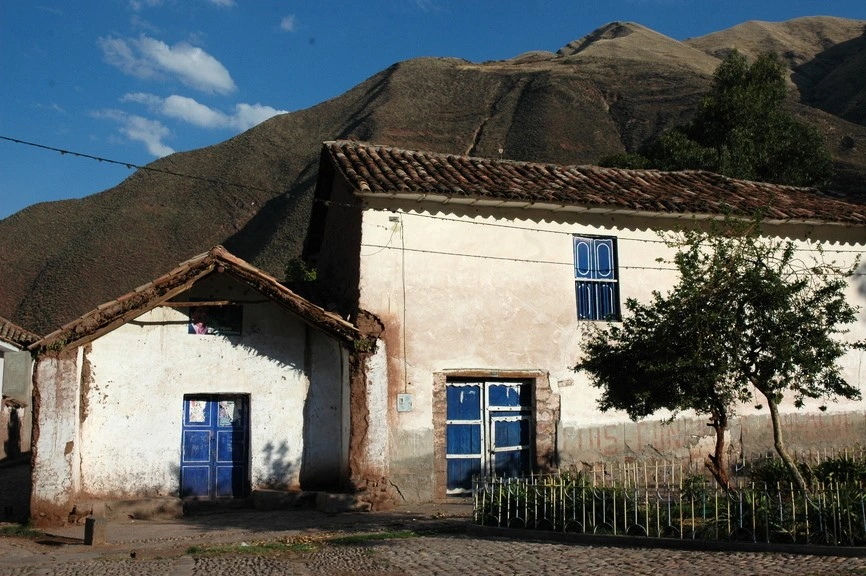
Here you will feel the Andean energy, get closer to Cusco’s history, and imagine the pre-Hispanic past through the water fountains of Tipón and the nearly 700 stone structures of Pikillaqta. At the end of the journey, thoughts of God and the devil may cross your mind as you admire the gold-leaf altars, striking murals, and paintings in the chapel of Caninunca and the churches of Huaro and Andahuaylillas.
For these reasons—and many more, such as Saylla’s crispy chicharrones, Tipón’s oven-baked guinea pig served with stuffed rocoto chillies and noodle casserole, and Oropesa’s enormous round breads, as wide as long-playing records—the South Valley is a truly “appetising” travel route that has managed to preserve its calm and tranquillity. Two qualities that are increasingly hard to find in the world’s most popular tourist destinations.
Reasons to explore the valley
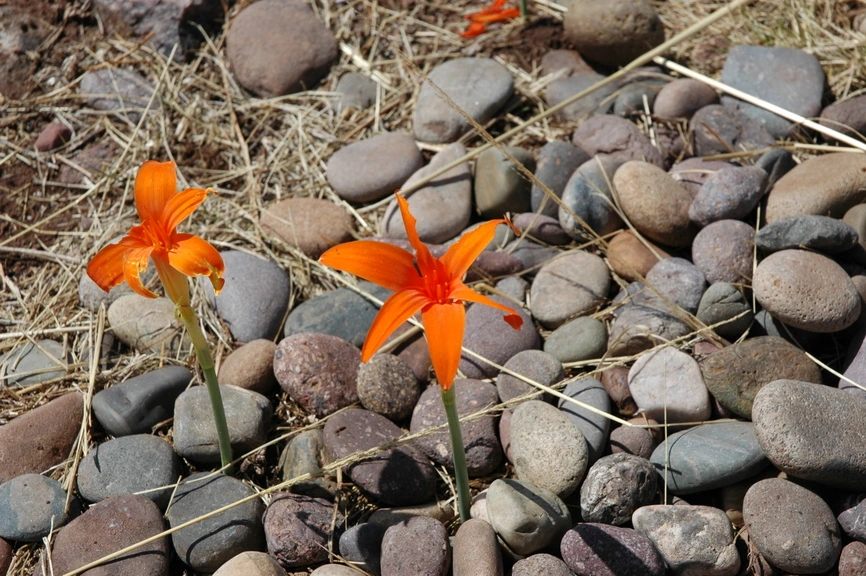
To go or not to go — that is the classic dilemma travellers face when the route tempting them is not the most popular one. I don’t want that to happen to you, so I’ll give you several good reasons to help you put your doubts aside when planning your excursion to the South Valley, with its string of archaeological sites and temples located in the districts of Oropesa, Lucre, and Andahuaylillas, all in the province of Quispicanchi.
Let’s begin. First reason: proximity and easy access. The distance between Cusco (3,400 m above sea level), the “Historical Capital of Peru”, and the Tipón Archaeological Park (3,560 m above sea level), the first stop on the route, is just 25 km (around 40 minutes by road). The furthest point, the Chapel of the Virgin Purified of Canincunca (3,250 m above sea level), is only 45 km away.
What do you think? Are you starting to feel tempted? Patience — your enthusiasm will grow even more with the second reason: visiting the South Valley on your own is incredibly easy. You simply hop on and off public transport. Just keep in mind that all the attractions are either right by or very close to the Cusco–Puno road, the highway that leads to the city of Lake Titicaca. This route is known as the Route of the Sun.
The bus stop for the South Valley is located opposite the Cusco Regional Hospital (Avenida de La Cultura s/n). You’ll find buses, vans, and shared taxis leaving regularly, so getting around shouldn’t be a problem (just remember to carry small notes or loose change). If you’d rather avoid waiting, local operators also offer both group and private tours.
Another option is to hire a taxi to take you along the entire route. It’s possible, but it can be pricey, so it’s worth considering carefully before you decide. The most important thing is to dare to explore this circuit, far from the crowds, the rush, and the noise. Here, you’ll enjoy each visit and walk at a relaxed, unhurried pace. And that is the third reason to put the classic “to go or not to go” dilemma firmly behind you.
The attractions that await you
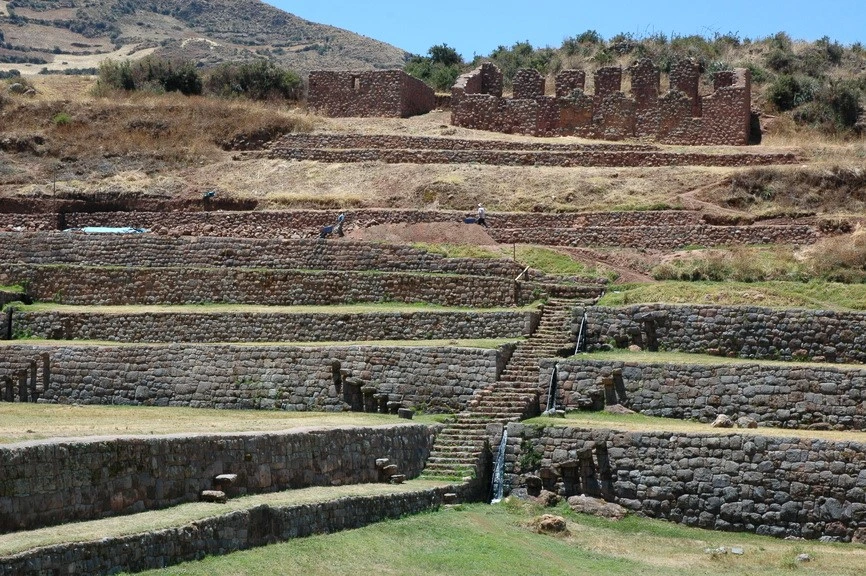
And there are even more reasons. Tipón — whose name means “the place of boiling” or “the place that bubbles” — is a true masterpiece of hydraulic engineering. Located in the community of Choquepata (Oropesa district), it was a temple built in honour of water during the reign of Huiracocha. Agricultural terraces, fountains, canals, and even a stretch of the Inca road stand out in this archaeological park, surrounded by mountains and lush greenery.
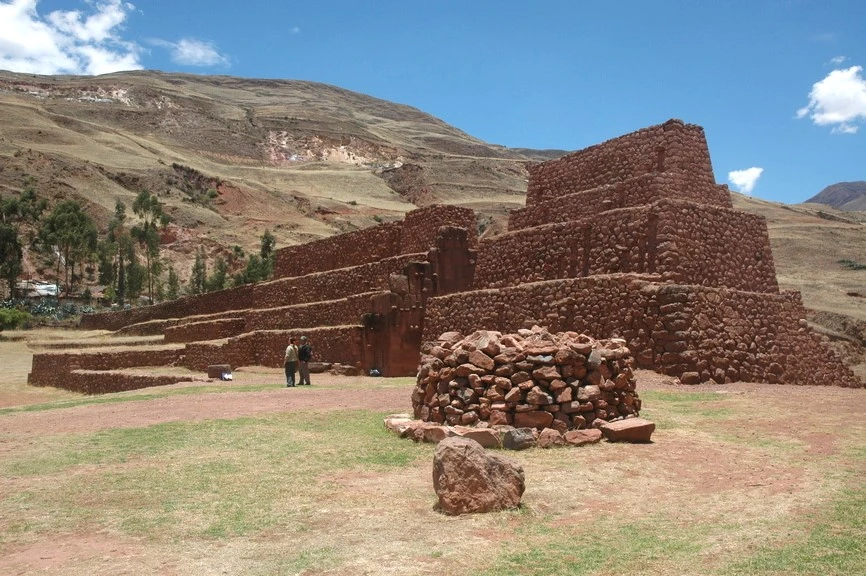
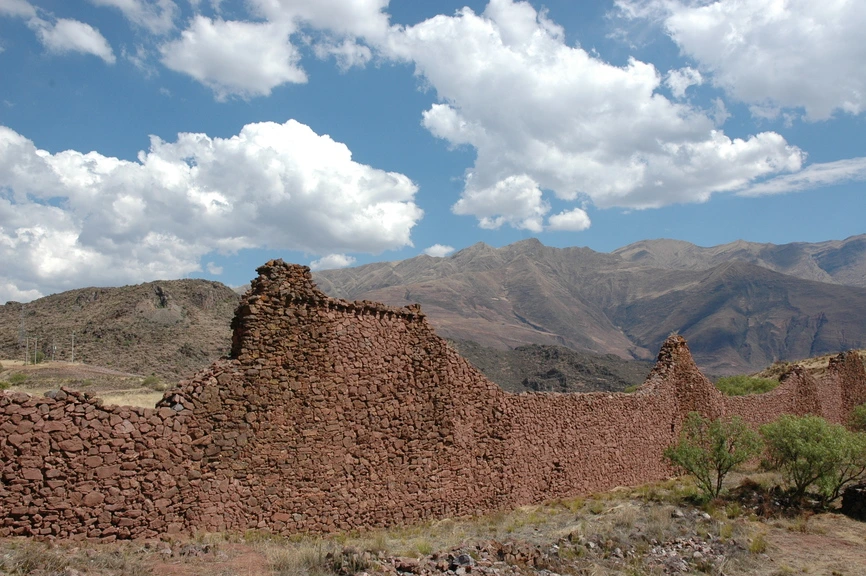
But this is only the beginning. Your adventure continues at Pikillaqta, which can be translated as “the town of fleas” or “the small city” — although that description hardly does it justice. This administrative centre is believed to have housed up to 10,000 people. Built by the Wari (or Huari), the first Andean empire, this pre-Inca llaqta features stone walls that resemble great fortifications. It lies 30 km from Cusco, at an altitude of 3,250 metres above sea level.
Directly opposite Pikillaqta stands Rumicolca — “stone gateway” in English. Monumental and imposing, in pre-Hispanic times it functioned as a kind of customs post or control point for travellers entering or leaving Cusco. At the height of the Tawantinsuyo, the South Valley was a strategic area linking the “navel of the world” with the Altiplano and the Amazon region.
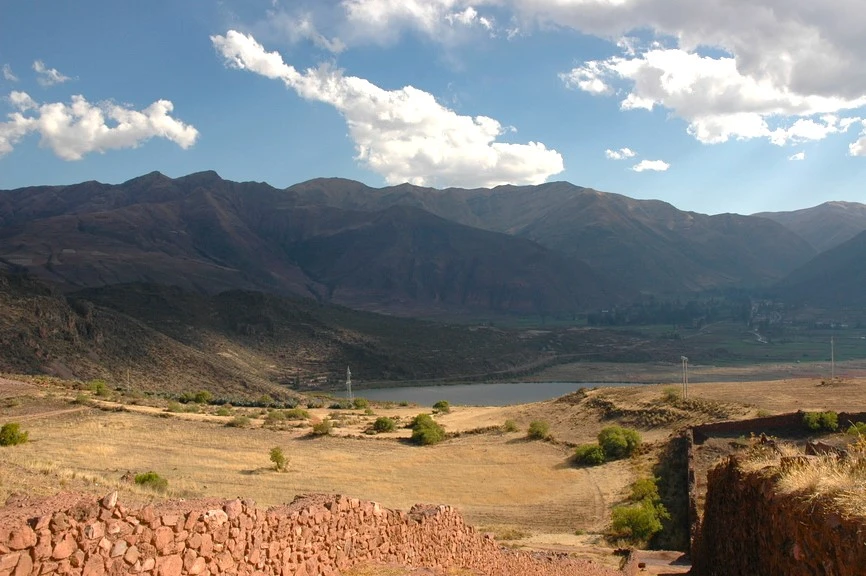
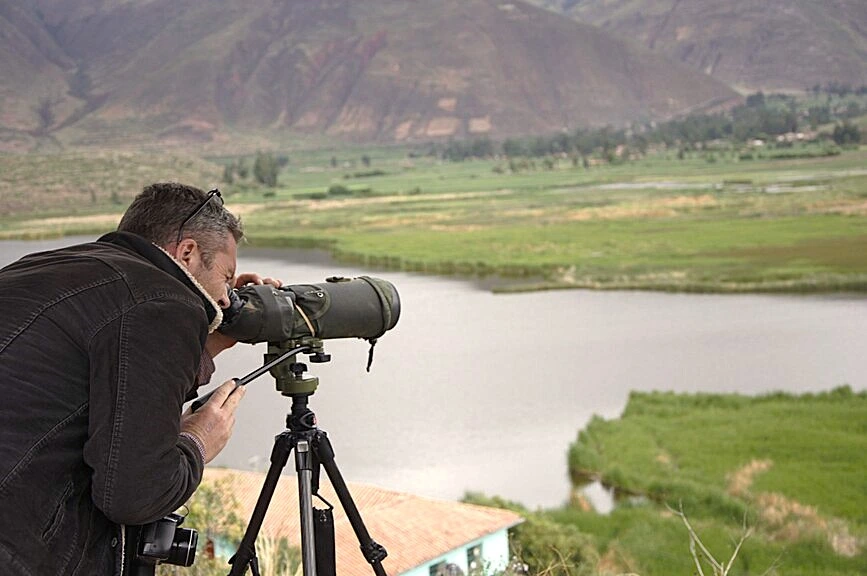
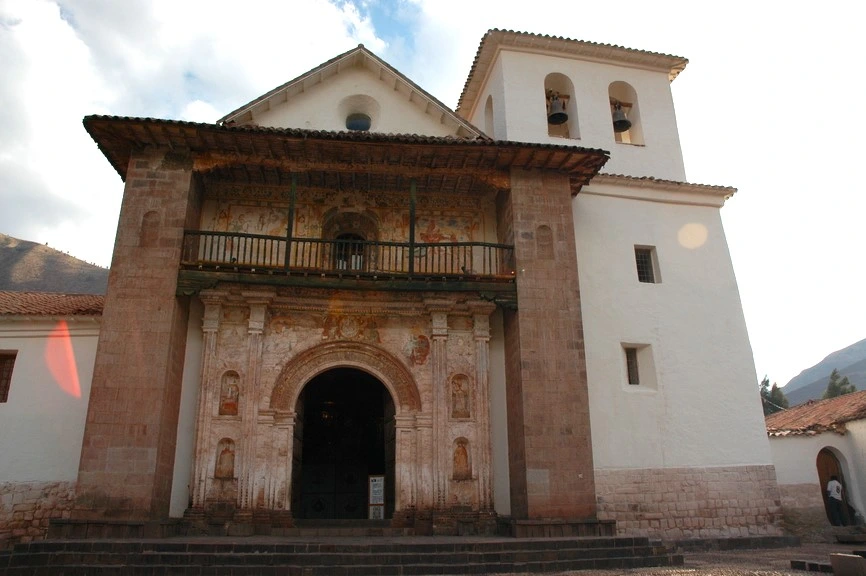
In the South Valley, the beauty of Lake Huarcapay truly stands out. It is one of the favourite spots for birdwatchers, and you’ll catch sight of it from Pikillaqta and along the road to the Church of San Pedro Apóstol in Andahuaylillas. Known as the “Sistine Chapel of America”, this church is the first stop on the Andean Baroque Route in the South Valley — a religious circuit that inspires, amazes, and captivates well beyond matters of faith.
Divine architecture and sacred art await you in Andahuaylillas, in the Church of San Juan Bautista of Huaro, and in the Chapel of the Virgin Purified of Canicunca. There, an inscription on the façade gently warns visitors: “If you wish your sadness to turn into joy, do not pass by, ungrateful soul, without saying a Hail Mary.” Could it be true? Dare to find out when your steps lead you to the South Valley of Cusco — your next destination!
January 4, 2026