


Travel tips for visiting Cusco
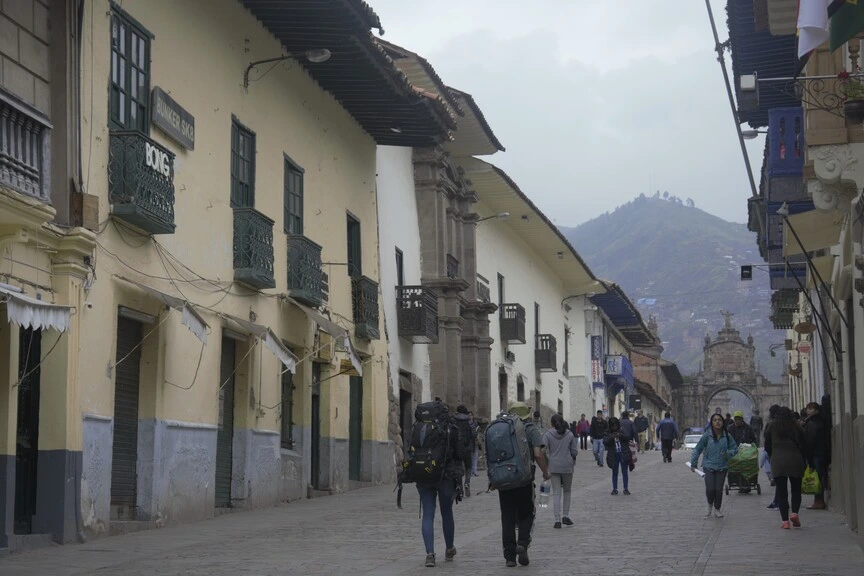
So, what do I do now?… It’s a question that pops up at different moments during a trip. Sometimes it’s about things beyond our control —the bus breaks down, an unexpected storm rolls in— but other times, and quite often, it’s about situations we can easily foresee. In fact, you can have the answers to many of those “what do I do now?” moments before you even set off.
And since “it’s better to be safe than sorry” and “a well-prepared traveller is worth two,” I’ll share with you some tips, advice, and handy recommendations to help you face —and overcome— the classic situations that tend to “haunt” or even “torment” tourists visiting Cusco. That’s exactly what happens, for instance, with altitude sickness, or soroche, which affects many newcomers to the “Historical Capital of Peru.”
If you’d like to know how to ease or avoid dizziness, headaches, and general discomfort… if you want a few tricks to stop feeling heavy after lunch or dinner… and if you’re keen to learn some clever little hacks that will make your journeys through Cusco’s tourist routes much smoother, then keep reading this short guide for the smart traveller.
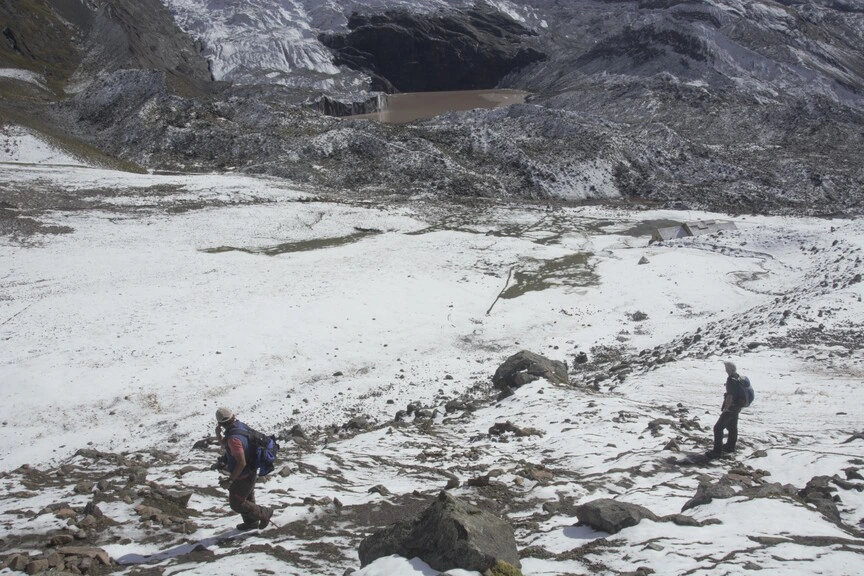
Right, enough chit-chat. Here’s the first tip: “Don’t believe anyone who tells you your destination is very close.” It’s a lie —always a lie. When Peruvians are asked whether a place is far or near, we usually reply with a friendly and polite “just around the corner” or “right over there.” The problem is that this “corner” or “right over there” might actually be several kilometres away.
If you don’t want to end up disappointed, never ask “how much farther is it?” —especially in a village or rural community. Remember that in the countryside, people are used to walking long distances; what might seem like a long and tiring journey to you or me is just part of their everyday routine. In these cases, it’s best to simply ask whether you’re on the right path.
Saving means progress
When travelling, it’s always a good idea to save a few soles (that’s the name of Peru’s official currency). Think of it this way: what you save on lunch or dinner can go towards a souvenir for someone who’s missing you back home. Or perhaps you can “invest” that little bit of extra money in extending the toasts on a fun, bohemian night out.
If you want to spend less, don’t be tempted by the restaurants around the Plaza de Armas or the San Blas neighbourhood —nor by those on the main streets of the Historic Centre. Step a little away from the tourist areas and look for the spots where locals eat. Prices are lower and the portions are far more generous.
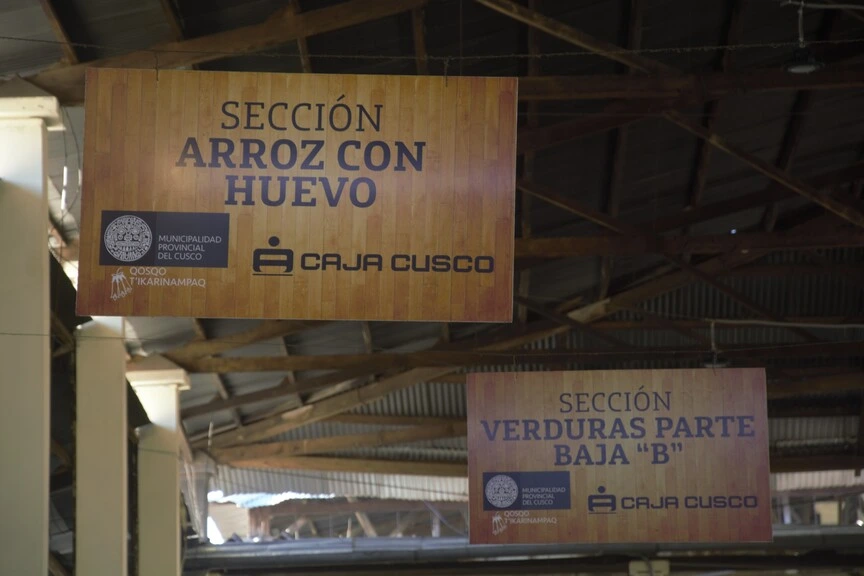
For breakfast or lunch, make your way to the San Pedro Central Market. Its menús —which include soup or a starter, a main dish, and a drink— are much loved by travellers. Why? Because they’re plentiful, tasty, and offer the wonderful experience of being an agachadito, the Peruvian nickname for those who enjoy the simple delights of street food.
Prices range from 10 to 15 soles, and the menu couldn’t be more varied. At the market, you’ll find everything from a humble yet satisfying fried egg with rice to true Peruvian classics such as caldo de gallina (hen soup), chicharrón de cerdo (crispy pork), lomo saltado (stir-fried beef), ceviche, and several kinds of hearty broths. You’ll also find freshly baked bread and fruit juices served with all sorts of sánguches (sandwiches).
When planning your budget, don’t forget to factor in accommodation. In Cusco, there are lodging options for every pocket. Look for one that meets —or even exceeds— your savings expectations. Oh, but take note: this tip doesn’t apply to travelling by road. If you’re taking a bus, don’t go for the cheapest option. Those are often run by informal companies. Danger ahead!
How to avoid feeling heavy
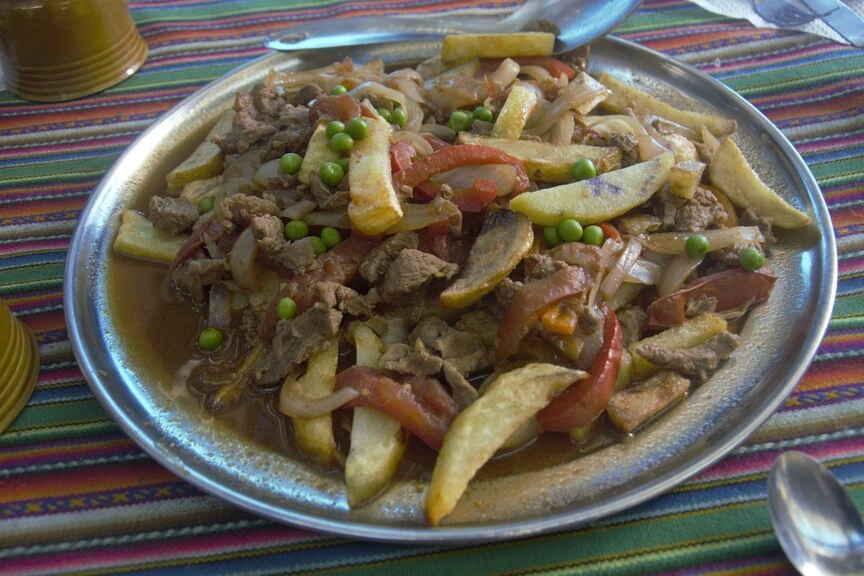
A very common “mistake” among travellers who arrive in Cusco and manage to avoid soroche (altitude sickness) is to “celebrate” their good luck with a rich, heavily seasoned breakfast, lunch, or dinner. What they don’t realise —that’s what happens when you don’t read this guide— is that their pleasure will soon turn into a big problem: a serious case of indigestion.
Feeling heavy at high altitude isn’t a myth or a story made up to “scare” tourists. Science explains it quite clearly: because of the lower oxygen levels in the air (hypoxia), the body prioritises the functions that help it adapt. In simple terms, your body focuses its energy on the heart and lungs, slowing down the digestive process.
And here comes another “what do I do now?” The answer is simple: don’t commit the deadly sin of gluttony. Be frugal and eat small portions —just enough to satisfy your hunger. Resist the temptation of chicharrones, adobo, fried trout, or pollo a la brasa with heaps of chips, and other wonderfully greasy dishes. Your stomach —and your trip— will thank you.
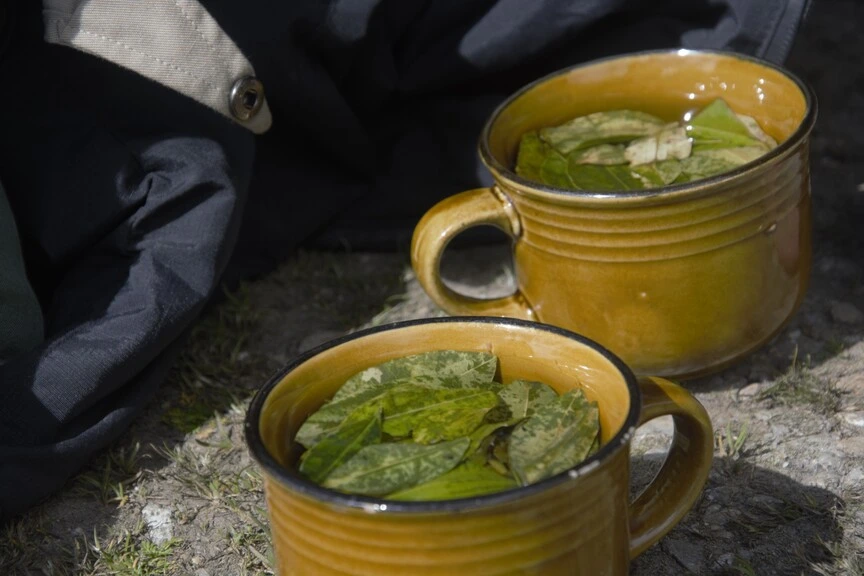
Attention: this isn’t about going on a diet or fasting throughout your stay. You just need to prioritise light dishes until your body gets used to the altitude. Warm broths and herbal teas —make sure you try coca tea— are great mealtime companions. The same goes for Andean grains like quinoa. And if you can’t do without meat, try alpaca. Low in fat and high in protein, it’s an excellent choice when you’re up in the mountains.
Staying well hydrated (warning: don’t drink tap water) and taking calm, unhurried walks after each meal will help you avoid that heavy feeling. So, before heading back to your hotel for a mid-afternoon nap, take a stroll through Cusco’s historic streets. It’ll help with digestion and give you the chance to explore the ancient Inca capital in greater depth.
The Dreaded Altitude Sickness
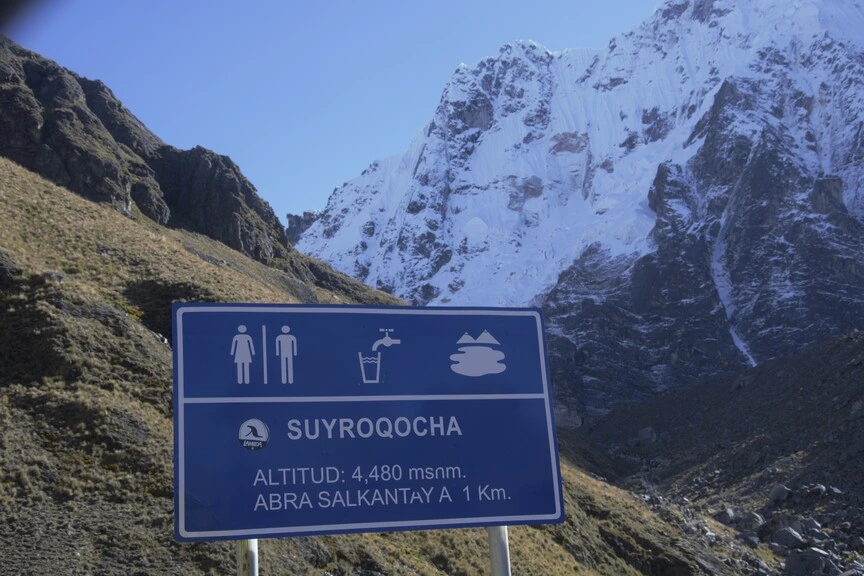
Soroche! —you’ll read and hear that word long before you even set foot in Peru or Cusco. Feared, respected, and the source of countless travel stories, altitude sickness “is caused by a reduction in air pressure and lower oxygen levels at high altitudes. The faster you ascend, the more likely you are to experience acute mountain sickness.”
“The best way to prevent altitude sickness is to ascend gradually,” recommends MedlinePlus —the website from which I took the previous quote. With that in mind, here’s a simple itinerary to help you acclimatise step by step: before heading to Cusco, make a stop in Arequipa. The “White City” sits at 2,335 metres above sea level.
A good way to “escape” soroche is not to fear it. Convince yourself that it won’t affect you. You’re strong, you’re resilient, and you won’t let a temporary discomfort ruin your holiday. Don’t panic or lose heart if you start to feel a headache or shortness of breath. If that happens, take a morning or afternoon off to give your body time to adjust to the altitude.
A few more tips. Before setting off, take a tablet to prevent altitude sickness (check with your doctor to find out which one suits you best), and in the hours before your trip, stick to light meals. You should also avoid alcohol. A common local trick is to soothe your palate with a lemon sweet —many travellers swear by it. I’m one of them. So, keep one handy.
When you arrive in Cusco, take deep breaths and move slowly. If you’re feeling warm under your layers, don’t make the mistake of taking them off too quickly. Once you’re at your accommodation, order a coca tea and rest as long as you need. Rushing is never a good idea at thousands of metres above sea level. That’s the key difference with this article —which, I hope, will help you plan your Peruvian adventure wisely and enjoy every moment of it.
October 30, 2025