


Celebrate Peru: From Inti Raymi to the Feast of Saint Peter
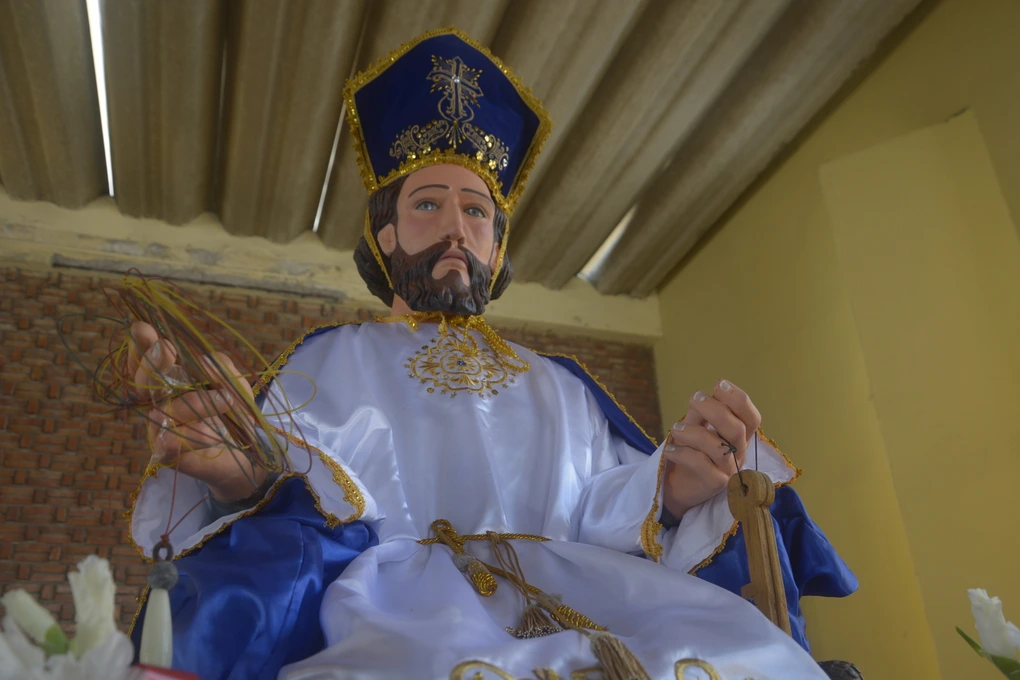
Every year, on a date marked in red on Peru’s national calendar, Saint Peter is brought down from the altars of churches, temples and chapels in fishing towns and villages along the coast. On his way to the pier or small harbour where he will set sail in a boat, good Peter — the first apostle of Jesus and the first pope — is accompanied by Saint Paul and hundreds of devoted believers.
They pray and sing. They carry candles and flowers in their hands. They listen to the priest reading the gospels and to musicians playing solemn, heavenly melodies. They watch the fireworks light up and shake the skies. They place their trust in their patron saint because he was one of them. Peter was a fisherman on the Sea of Galilee more than two thousand years ago.
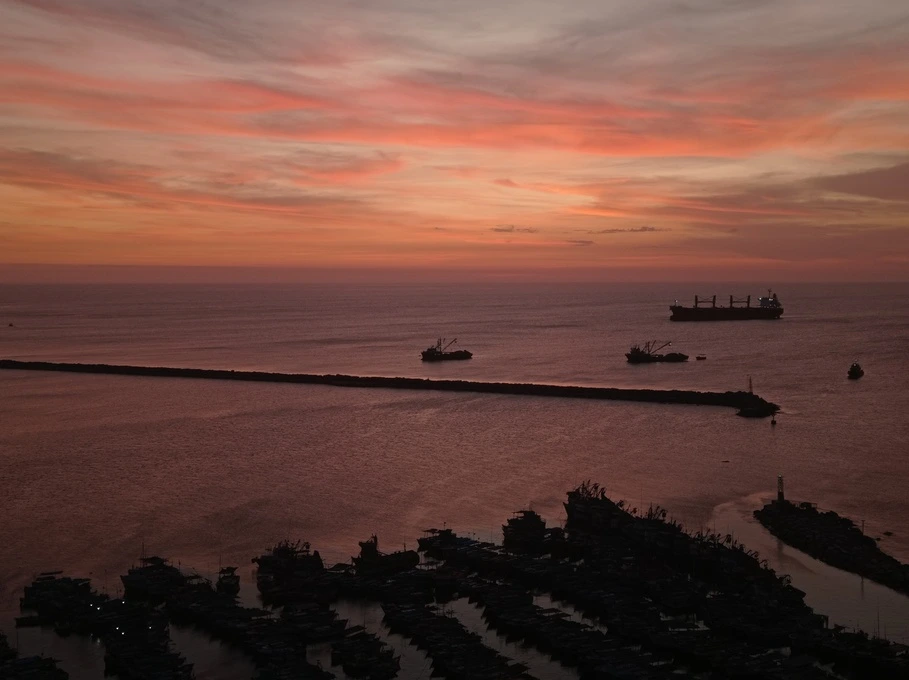
The procession moves forward in Callao and in Chimbote, in the fishing cove of El Ñuro and from the pier of El Faro in Islay-Matarani. It makes its way to the shores of Paita, Chorrillos, Ilo and Huarmey. It sails over the waters of Huanchaco, Mollendo, Marcona, Chala… and so many other coastal places where 29 June is a day of festivity and faith.
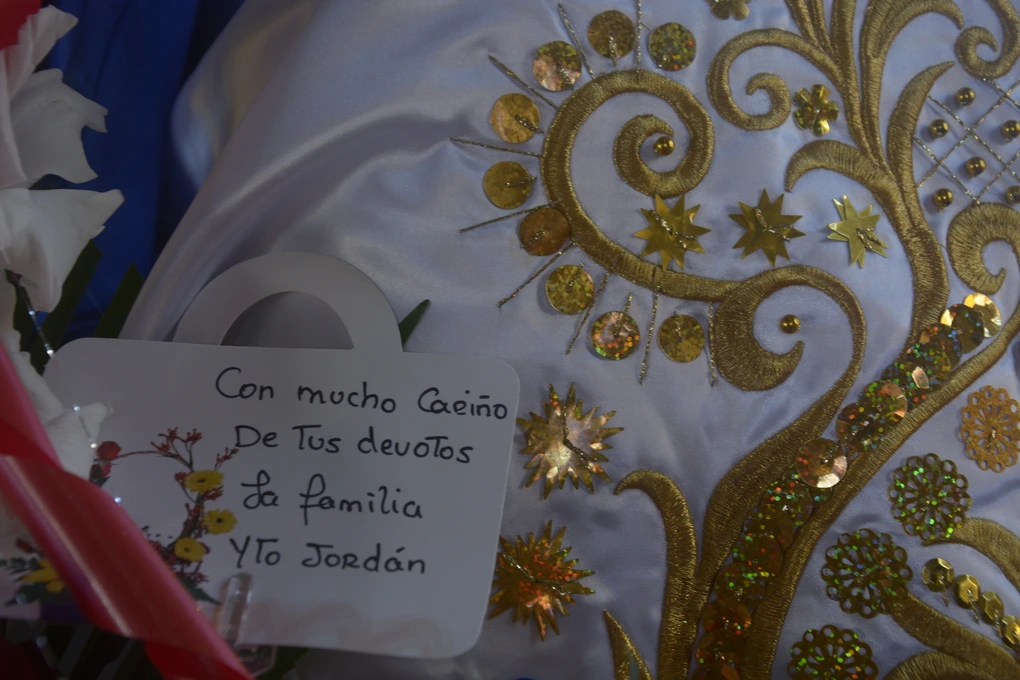
On the feast day of Saints Peter and Paul, Peruvian fishermen set aside their gear and pause their work at sea to ask the apostle’s image —with faith, affection, and humility— to guide and protect them when they head out into the ocean in their boats, launches, or fishing vessels, and to help them return home safely, with good health and holds filled with the Pacific’s bounty.
“He listens to us and understands us because he knows what we go through,” confess the seasoned men of the sea in the church and during the procession. The same words are heard down at the pier, where they raise a toast to “Pedrito’s” health. And so, when their time comes to leave behind both the land and the rocking of the waves, the saint will open the gates of heaven for them. “Best to make sure —he’s got the keys,” they joke, laugh, and cross themselves, just in case.
Festive June
The final days of June are festive in Peru. On the 24th, as we shared in a previous story, Cusco stages the grand Inti Raymi. What we didn’t mention — so as not to stray from the theme — is that other places also hold similar ceremonies, such as Vilcas Raymi in Vilcas Huamán (Ayacucho), Sóndor Raymi in Andahuaylas (Apurímac), and the Festival of the Sun in Huánuco Pampa (Huánuco).
And while in the Andes the heirs of the Incas honour their father, the Sun, in the Amazon rainforest joy overflows during the feast of Saint John the Baptist. Purifying dips in rivers and lakes, nights of bonfires, and delicious juanes are just some of the traditions repeated and multiplied across the cities, towns, and communities blanketed by the lush Amazon greenery.
Tempting, isn’t it? You can’t deny that coming to Peru for Inti Raymi or the San Juan festival sounds irresistible. And if you add to that the fact that just five days later faith and festivity “set sail” along the coast, your travel plans suddenly become even more exciting. Just imagine — slipping away from Cusco to the sea to share in the joy of fishermen as they celebrate and honour their patron saint and fellow fisherman.
It’s worth it. Believe me, it’s worth it even though it’s winter and the sun barely warms anything. During the festival, the warmth comes from the faith of the fishermen. These resilient men, accustomed to the ever-changing moods of the sea, kneel, clasp their hands, and are moved when they “speak” to the revered image in the intimacy of the church.
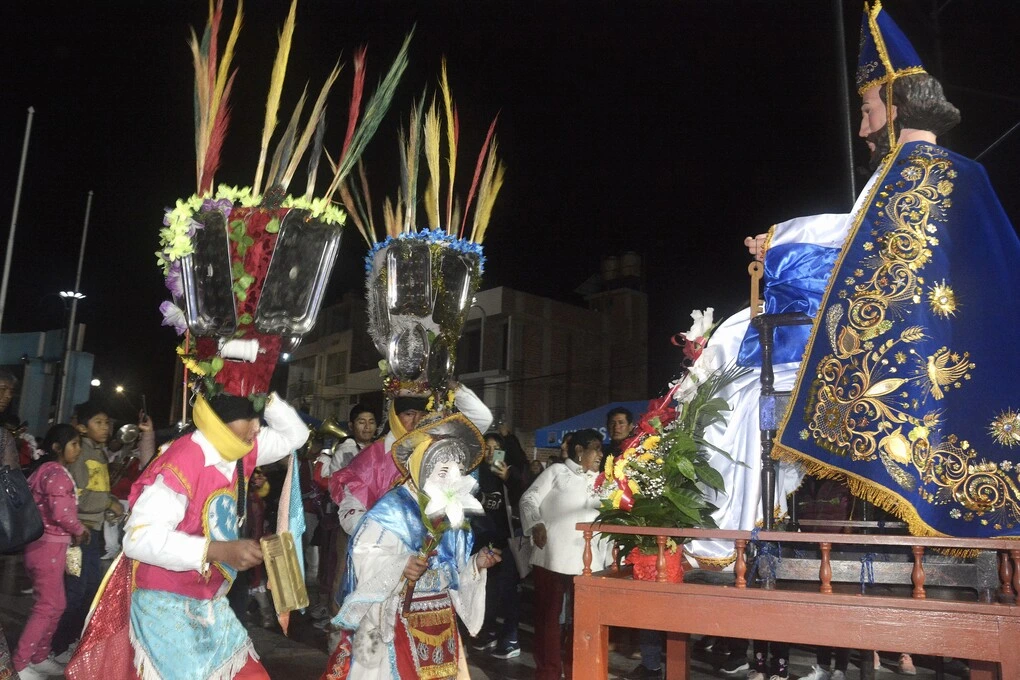
And also in the streets when it goes out in procession. Carried on a platform, it is taken to the pier and lifted onto a boat for a little “ride” along the Pacific. Several vessels accompany it. The crew and the faithful throw flowers into the water, and everyone falls silent for the brothers who never returned from that sea that gives and takes, that draws them in and fascinates them.
Meeting Saint Peter
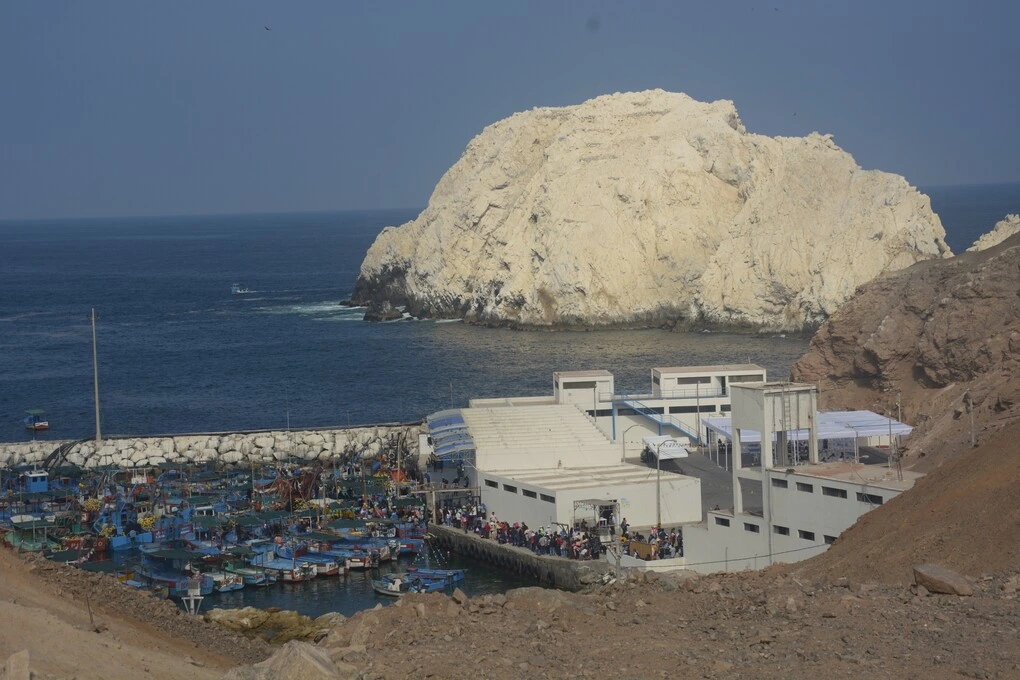
From Cusco to Arequipa, and from Arequipa to Islay-Matarani. A journey from the Andes to the Pacific by road. One night to reach the so-called “White City,” and two more hours to stand before the waves of the southern coast. A tip: try to arrive on 28th June. There’s a parade and a food fair. Take the opportunity to try a delicious ceviche, the signature dish that celebrates its National Day on this date.
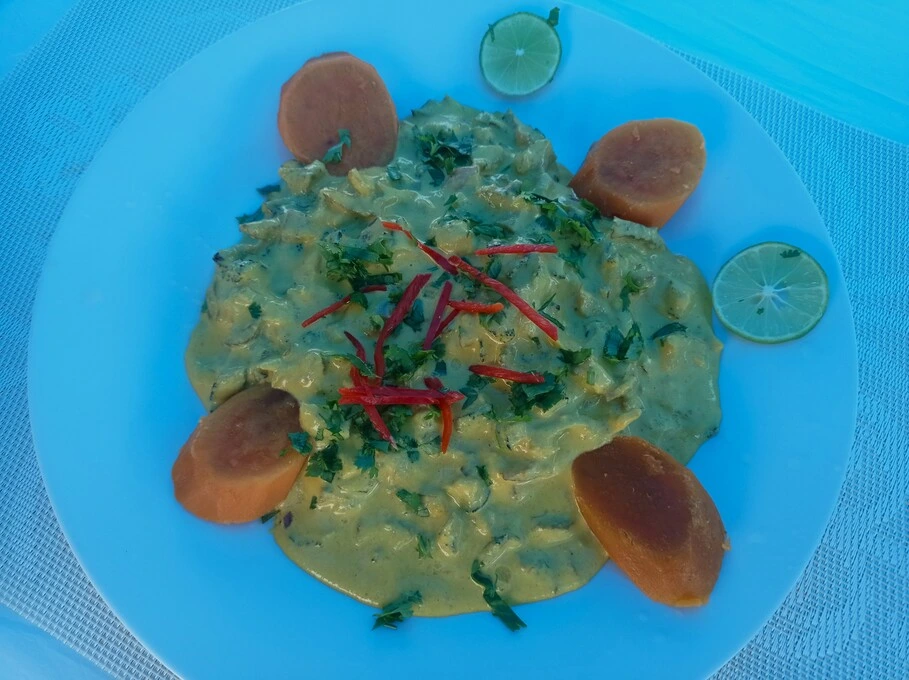
Fresh fish and seafood. Ají limo and lime juice for a touch of spice and acidity. Onion, toasted corn (cancha), sweet potato, and seaweed (yuyo), among other ingredients, combine to harmonise flavours and aromas in a dish with ancestral roots. It is said that the Moche — a pre-Inca culture from the north — “cooked” pieces of fish with fruit juice.
A delightful welcome to a district that is both an international port and a fishing village. The celebration on your palate shouldn’t end with ceviche. There are other options such as fried pota (giant squid) — “the best in the country,” boast the local fishermen — and the seafood stew (perol de mariscos), a local recipe in which various seafood is bathed in a cream made with milk, biscuits, chilli, peanuts, and huacatay.
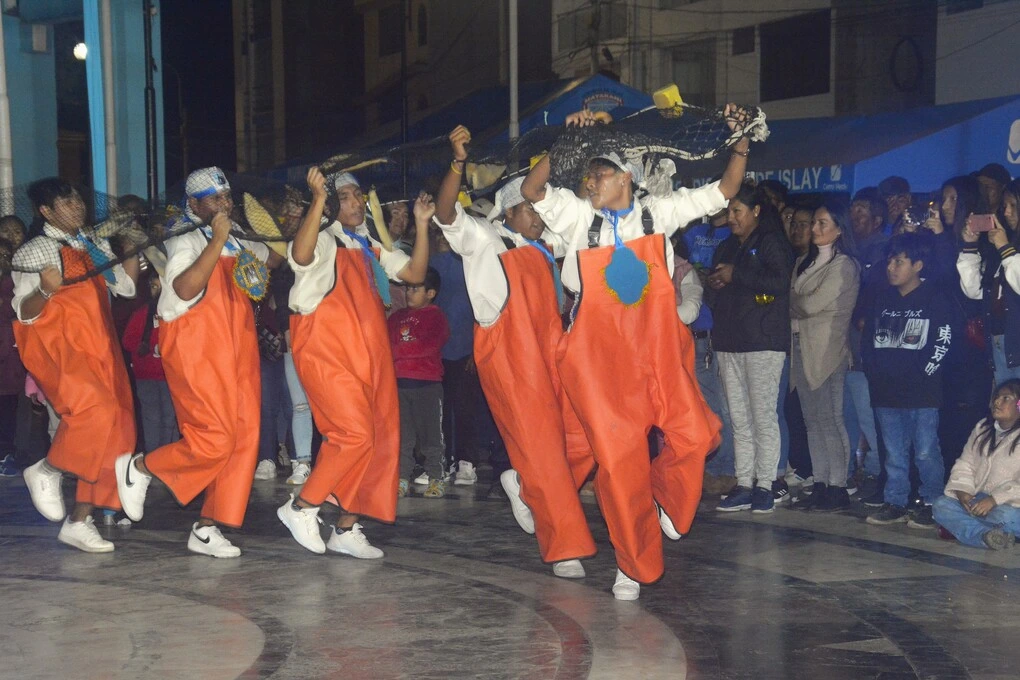
As night falls, there’s a mass and procession, folk dances, and a lively street party in Miguel Grau Square. And of course, you have to dance, toast, and chat with the fishermen. Some were born here, others came from the Altiplano, or are descendants of the muleteers from the Colca Valley and Canyon who used to bring their pack llamas down to Islay to trade their products for cochayuyo, a type of seaweed.
And that’s why the wititi is danced in the square, a traditional dance from the Colca that has been declared a National Cultural Heritage. That’s also why the vibrant traditional costumes worn by women from those highland lands stand out during the procession. And it’s for that very reason that the saints, Pedro and Pablo, seem to dance a little on their platforms as they’re carried to the pier.
Procession at sea
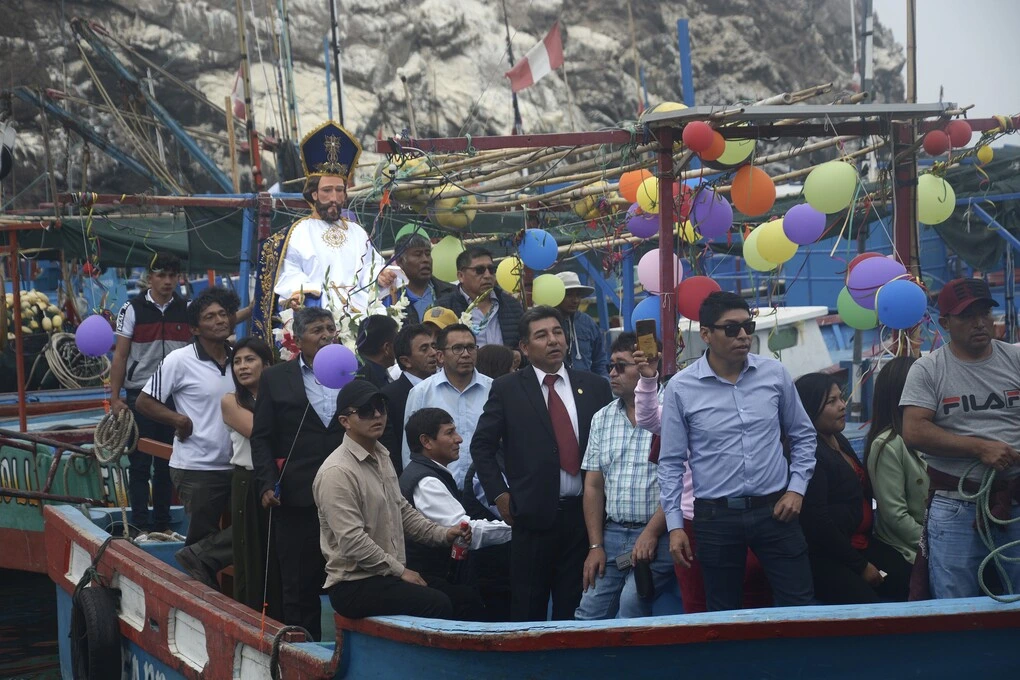
The patron saint approaches. Excitement and anticipation fill the air at the El Faro artisan pier. The engines of the boats and launches roar to life. The last passengers scramble aboard, while others can’t find a spot. They resign themselves, lamenting, “Next time.” And then a firework explodes, the music swells. Pedro steps onto the pier. Prayers, cheers, applause.
“Stay calm, brothers!” The bearers stumble. Alarm and confusion spread. “Careful with Pedrito!” whispers of caution echo as the statue is lifted with effort onto a boat decorated with balloons. Just a scare. The apostle, the pope, the man who left everything to follow Christ, the son of God, gazes over the horizon and the waves from the rocking deck.
A “swarm” of veteran boats surrounds and escorts the patron’s image. Prayers are uttered, whispered invocations rise. Thoughts turn to companions who are no longer there, for life at sea is hard. A wave of nostalgia sweeps over the crowd, yet it doesn’t dampen the hope or the faith in the bearded patron, resplendent with his papal mitre and holding the keys to heaven in his hands.
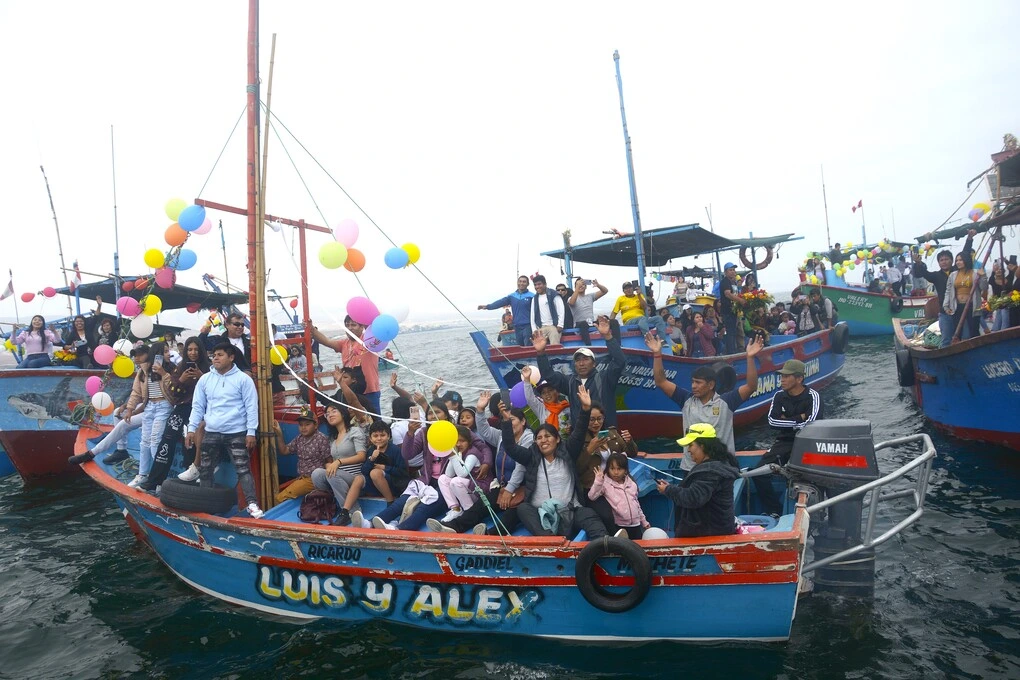
The procession moves away from the pier. The sky is overcast and the wind blows strongly. It’s cold. I seek warmth and also answers in Saint Peter’s gaze. Why do people along the entire coast have such faith in you? It’s true that you hear the pleas of your devotees, asking for a good catch, and that you help guide them when they feel lost in the vastness of the Pacific.
But today, 29th June, no one is lost in Matarani or in any of the fishing coves that celebrate Saint Peter. Everyone returns safely to solid ground, while the patron saint and Saint Paul go back to the quiet of their altars. The celebration doesn’t end—it just transforms. Prayers fade away. Music and dancing awaken. Jokes and laughter multiply. “Pedrito won’t mind. Pedrito is one of us.”
September 20, 2025