


Cusco in the low season: is it a good idea?
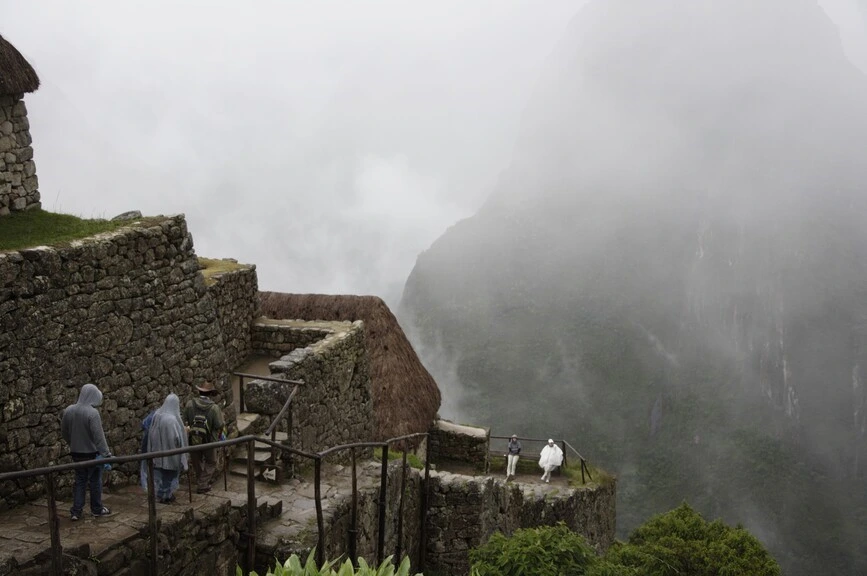
Travelling in the low season means fewer crowds and better prices. Sounds tempting, right? But before you start packing your rucksack or suitcase, it’s worth finding out why visitor numbers drop at certain times of the year. Information is key when choosing a destination. You don’t want to end up “sunbathing” in winter or “skiing” on a slope with no snow just because you weren’t paying attention.
Spending less money isn’t always the smartest choice. Imagine travelling to the Caribbean during hurricane season just to save a bit of cash. Chances are you wouldn’t enjoy it much — unless you happen to be a hurricane chaser. This is just one example of the many situations an unprepared (and perhaps inexperienced) traveller might face by ignoring the real reasons behind the low season.
So let’s leave the Caribbean behind and land in Cusco, the “Historical Capital of Peru” and the place I invite you to explore responsibly here. The goal is for you to enjoy your time to the fullest in the “navel of the world”, because while there are no hurricanes here, the weather does get a bit unpredictable — and noticeably wetter — from November to March.
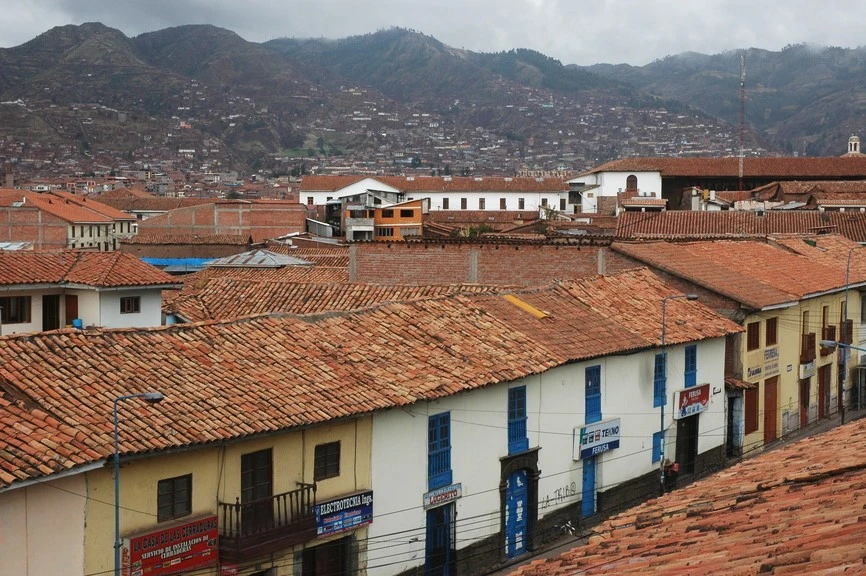
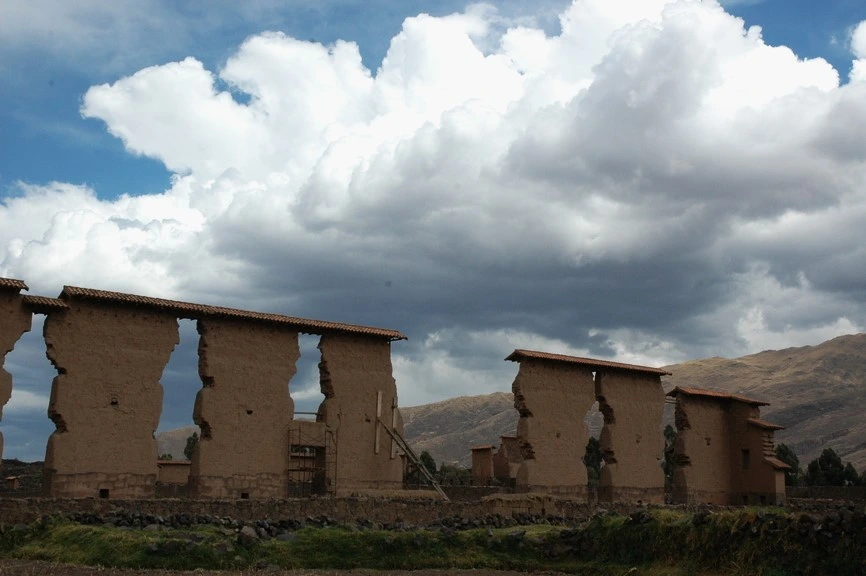
Rainy months — and sometimes even storms — are part of life in the Andes. Rainfall often soaks trekking routes and dims the deep, bright blue skies you normally expect in the country’s top tourist destination. If that doesn’t bother you too much and you’re used to flashes of lightning and rolls of thunder, Cusco’s low season might actually appeal to you. Hold on, though. Before you make up your mind, I suggest you read on to the end.
I’m not trying to be mysterious. I simply want to explain the pros and cons of exploring valleys and mountains, villages and archaeological sites, high-altitude landscapes and forested areas when the threat of a downpour is always in the air. So here’s the first tip for you: never forget your waterproof jacket or rain poncho, and always carry a change of clothes — just in case the rain really comes down.
The positive aspects of the season
In the films, you often hear the line: “I’ve got some good news and some bad news — which one do you want first?” And although we’re not at the cinema, it felt like the right way to restart the story. Travelling in the low season has two sides: a positive one and another that’s not quite so appealing. I’ve already mentioned the rain and the smaller number of tourists, but there are other nuances you should keep in mind.
For example, beyond the stormy weather, Cusco is always beautiful and captivating. That’s one of the reasons why, even during quieter tourism periods, there’s always a fair number of visitors around. You’ll never feel alone in its squares and streets — a definite plus if you’re the kind of traveller who enjoys making friends from different countries along the way.
Now let’s continue on the bright side. Although the rains begin in November and usually end in March, they are especially heavy in February. Yes, in “crazy February”, which follows “meagre January” and comes before “tipsy March”, as locals like to say. That “craziness” isn’t just talk — I know it from experience. I also know that the other months tend to be much calmer.
Let me explain. In November and December, rainfall isn’t usually that intense. Experience shows that the sky’s “tears” tend to fall mainly in the mornings (before midday) and at night (from sunset onwards). This leaves a useful window of time to enjoy sightseeing without having to put on your waterproofs. That said, the sun is unlikely to shine at full strength on those days.
Here’s another bit of good news: after a night of steady rain, the following day is often clear. “The sky has emptied itself,” you’ll hear people say in the streets when Taita Inti — Father Sun — comes out. Locals will also tell you that, despite the storms, the rainy season isn’t the coldest time of the year. The weather is actually more extreme in June and July, which, coincidentally, fall in the high season.
Watch out for the rain
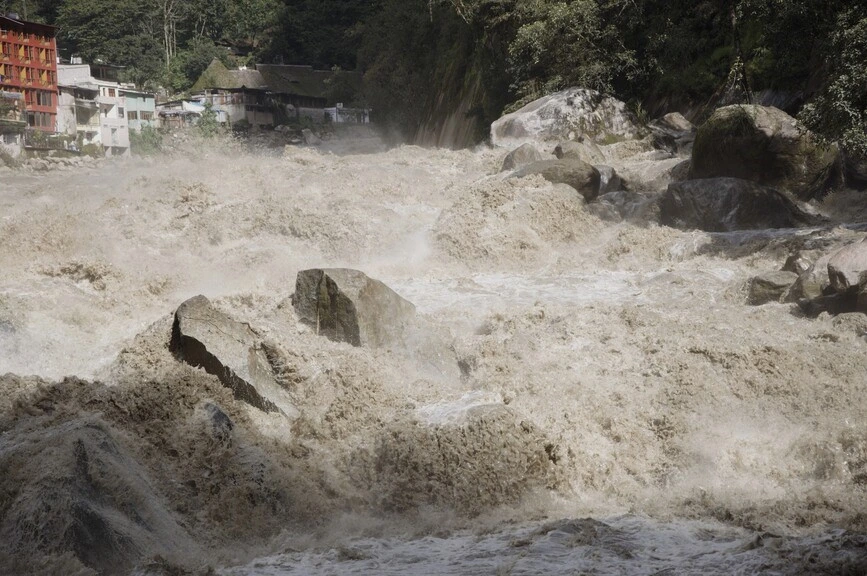
It’s time to talk about the other side of the coin. Moving from the positives to the less appealing aspects — without forgetting that Cusco is always a great destination. I’ve already mentioned the madness of February; what I haven’t told you is that heavy rain sometimes arrives ahead of schedule, appearing in the last days of January or lingering into early March. Keep this in mind when planning your journey.
Rainfall can cause various problems. Rivers swell and overflow, mountainsides collapse in landslides (huaicos), and roads can be cut off. It doesn’t happen all the time, but it’s always a real possibility. If you’re in the city at this time of year, try to stay informed about road conditions before leaving the Historic Centre.
One thing that is completely off the table in February — beyond the intensity of the rain — is hiking the Inca Trail to Machu Picchu. Every year, the authorities close this ancient route as a precaution and to carry out maintenance. This isn’t the case with the llaqta itself. Our world wonder remains open, as do the other archaeological sites in and around Cusco.
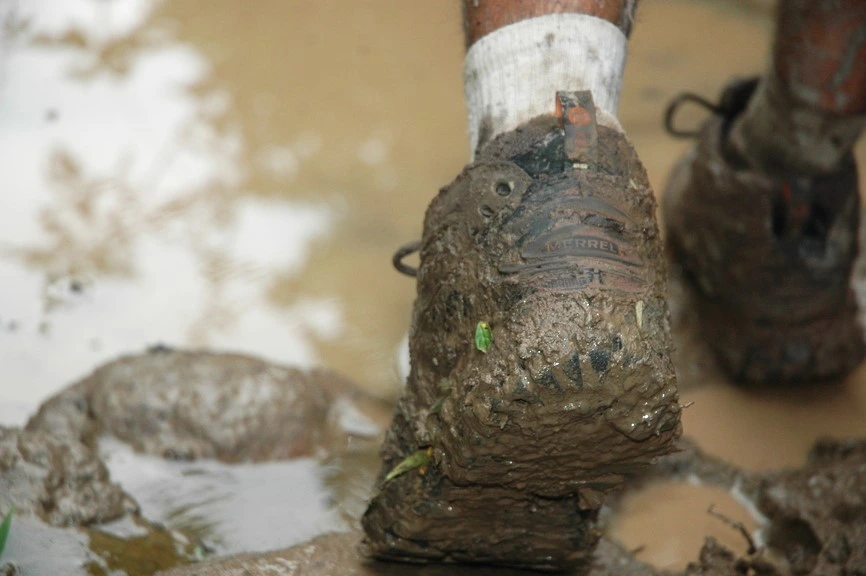
If you visit at this time, it’s quite likely the sky will be misty — goodbye to photos with a clear horizon — and the paths muddy, so waterproof, non-slip footwear is a must. On top of that, rain can break out at almost any moment. Only God and the weather forecast could tell whether it will be a short shower or a long one, and since neither will be in touch with you, taking precautions is the sensible option.
A good waterproof jacket and quick-drying clothes will be extremely useful. After all, it’s better to be prepared than to walk around in wet clothes at over 3,000 metres above sea level. One more piece of advice: if a thunderstorm rolls in, seek shelter — unless you fancy becoming a yatiri, the Aymara sages who, according to legend, gain their wisdom after surviving a lightning strike.
Final warnings
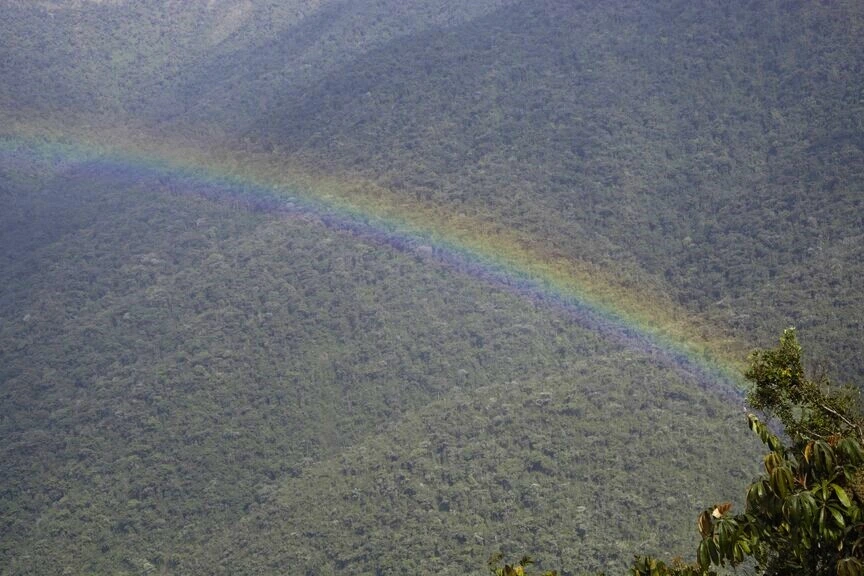
Enough about the rain. The sky clears and the forecast brings good news. Yes, good news — because during the months with fewer visitors, hotel rates drop. Big hotels and small ones, the many-starred and the almost “starless” alike all lower their prices. The same goes for popular tours, taxis, and even restaurant set menus.
Not bad at all if saving money is one of your travel priorities. In the end, it’s up to you whether you visit Cusco during the misty months. We’ve already warned you about the challenges the rains can bring, but if you’re happy to take on a few possible setbacks, welcome to the “Imperial City”. After all, in December, Christmas and New Year celebrations attract a good number of visitors.
And in February or March, Carnival in the city and nearby villages is great fun. There’s play, dancing, and plenty of toasting. It sounds good — and it’s even better when you’re there. Tempted, or would you like one more reason? Here it is: at the end of the rainy season, the fields and agricultural terraces turn green — very green. A dazzling visual spectacle that fades, let’s say wilts a little, during the high season.
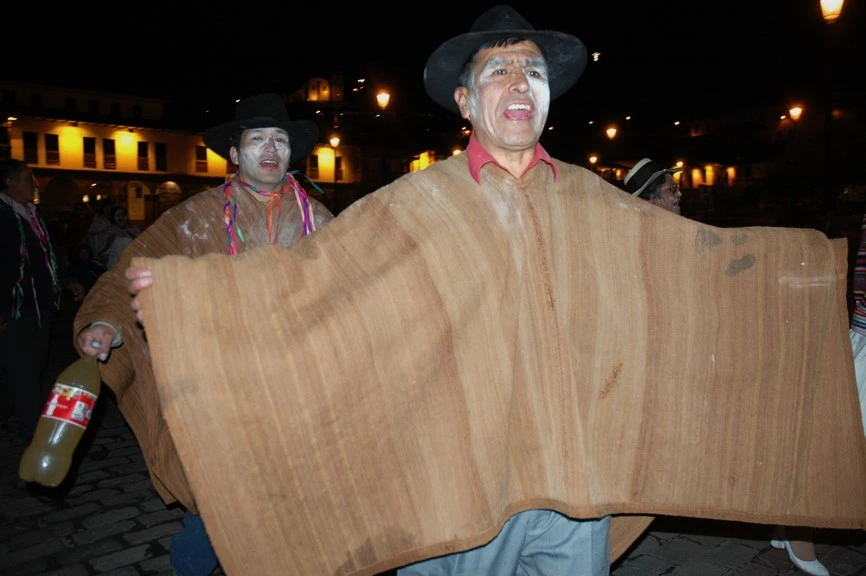
One last curiosity: the visitor profile also changes during this season. In November, it’s common to see school groups heading to the so-called “Archaeological Capital”. By late December, groups of young people from Lima choose the former Inca capital to celebrate New Year’s Eve. In the remaining months, the number of South American travellers increases.
Mission accomplished. I’ve shared plenty of details and insights about the low season in Cusco. If you ask me whether it’s worth visiting during this period, my answer is yes — as long as you’re aware that rain will be your travelling companion and that its drops might disrupt some of your plans. If that doesn’t bother you too much, who am I to tell you not to visit? We’ll be waiting for you!
January 8, 2026