


Cusco: Travel and romantic disappointments
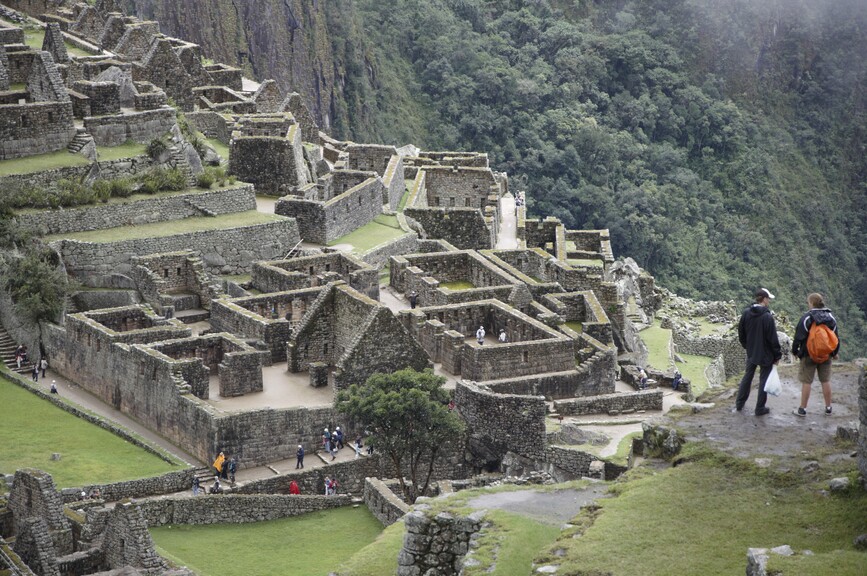
The first time I travelled to Cusco, I did it for love. It wasn’t a love for Andean culture or for its extraordinary archaeological legacy. Nor was I driven by an overwhelming passion for grand adventures along mountain trails.
That early morning journey was guided by the beating of my heart and the longing to see her again — yes, her — who had moved to the “Historic Capital of Peru.”
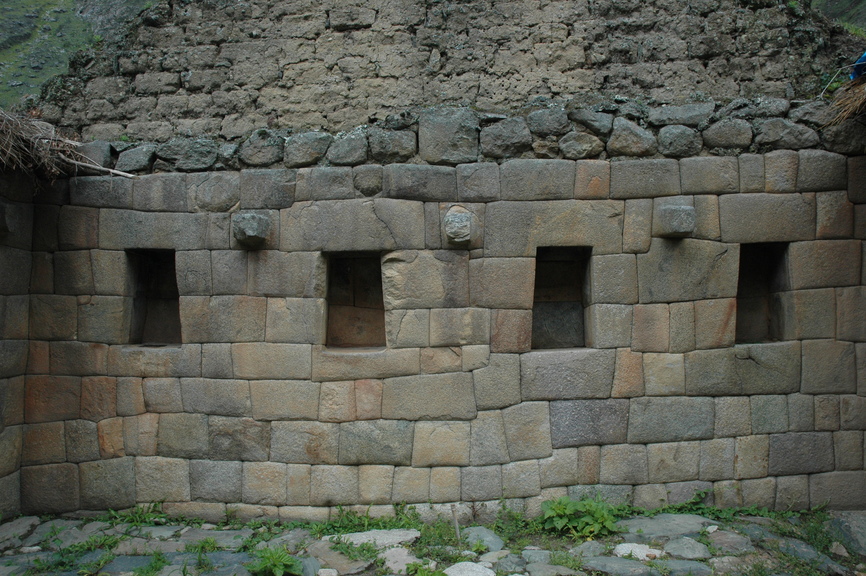
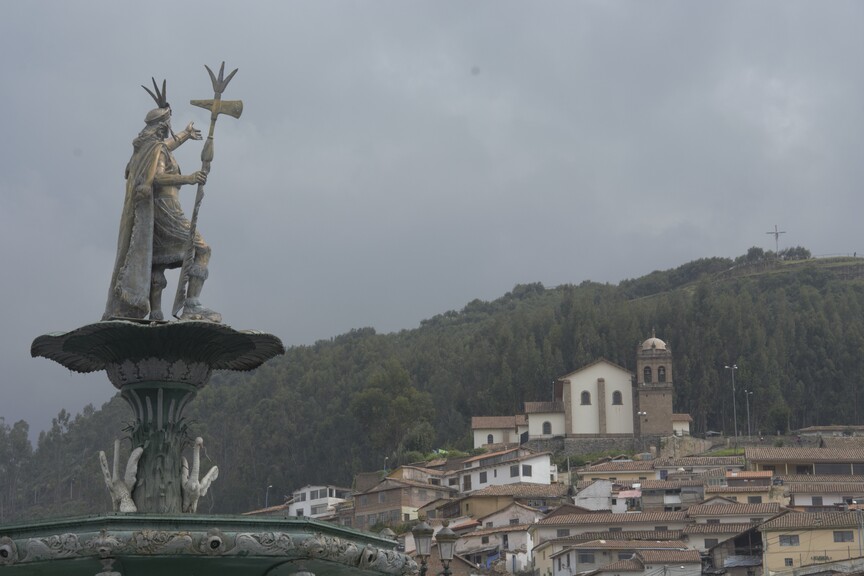
And, as so often happens with first times, that brief weekend escape was unforgettable — though not for the reasons that stir the longing of most travellers who visit the “Imperial City”. In my memories, there are no visions of Saqsaywaman, Ollantaytambo or Pisac… not even of Machu Picchu. Only a handful of recollections of the Plaza de Armas, San Blas and the Qoricancha.
All because of that long-awaited reunion that turned into a nightmare. My heart was broken in the legendary capital of the Incas. Back home, time slowly stitched up the open wounds, and what at first felt like resentment towards Peru’s leading destination gradually transformed into a desire for redemption — and a touch of revenge. I had to return, but this time for the right reasons.
The city was not to blame. It had merely been the chance setting for an unexpected ending. There was no valid reason for resentment — quite the opposite. I needed, urgently, to return with the intention of falling in love with its streets and squares, its villages and valleys, its llaqtas and pre-Hispanic fortresses, its Catholic churches and its temples to the sun and the moon.
On my return, I would discover that the Spanish chroniclers had not exaggerated when they praised the grandeur and monumentality of the Inca capital. I would also come to believe that destinations deserve a second chance, and I would decree that “I’ll never return” would no longer be part of my wandering philosophy. After all, no place should be forever marked by a single bad experience or an isolated mishap.
Reconciled with Cusco
I realise it may seem rather unusual to share a heartbreak in a piece of travel writing. Don’t worry — I’m not about to turn this into a sort of clinic for bruised hearts on the road. That’s not my intention… unless you feel like telling me about your own travel sorrows. Only joking! It’s simply my way of showing you that I’m neither sad nor lost in nostalgia.
What I truly want to make clear is this: just as we often give love a second chance, it’s neither foolish nor mistaken to return to a place where we once had a bad experience. By the same token, there’s no need to feel discouraged if other travellers didn’t have the best time. Every journey is unique, and what happened to someone else won’t necessarily happen to you.
That applies to both the good and the bad. Experiences, feelings and moments don’t replicate themselves. Each of us enjoys a destination in our own way, guided by our interests and sensibilities. This isn’t about dismissing the advice and recommendations of fellow travellers — quite the opposite. Their insights are worth considering, but always with the understanding that every journey is entirely your own.
If someone suffered from altitude sickness, had a bad reaction to the food, got stranded on the road or didn’t enjoy a particular circuit, it doesn’t mean the same will happen to every traveller. On the other hand, if you experienced something unpleasant in a certain destination, don’t write it off completely. Give yourself time and offer it another chance. When it comes to travel — unlike in the cinema — sequels are often good… sometimes even brilliant.
I know this from experience. I returned to Cusco despite my broken heart, and there I discovered that my adventurous steps gradually erased the sad memories. That was my first act of redemption — but not the only one. There were others, many others, because I learned that “bad moments” — our own and those of others — are warnings and lessons that help us avoid mistakes and minimise setbacks.
The blockade of the coca growers
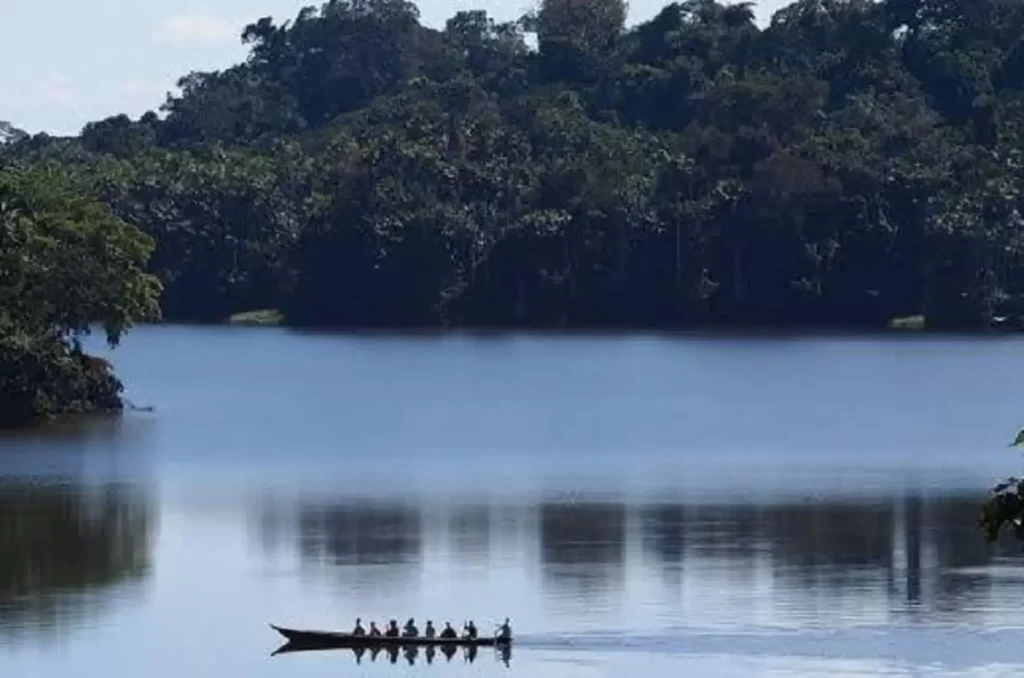
Photo: Agencia Peruana de Noticias Andina
The cocaleros (coca farmers) had blocked the road. They were protesting against the low prices paid for the sacred coca leaves of the Incas, which are legally traded. Their action prevented me from reaching Quillabamba, the capital of La Convención province in Cusco. The days went by. My impatience grew. If the conflict wasn’t resolved soon, I would have to return home without completing my itinerary.
“Don’t take the risk. Better to wait,” advised the receptionist at my guesthouse in Cusco. “There’s no passage, and everything is closed over there,” the transport operators told me — the same ones who travel back and forth from the “navel of the world” to the “pampa (plain) of the moon”. Their vehicles depart from Avenida Lorena, in the Santiago district, and the journey takes around five hours. Ticket prices usually range between 35 and 50 soles.
Yes, the “pampa of the moon” — because in Quechua, quilla means moon and bamba or pampa means plain. But I wasn’t heading to that lush green city to learn Quechua. My plan was to continue on to the community of Ivochote (a further five hours by road), with the aim of crossing the Pongo de Mainique — the dramatic river gateway that links the towering Andes with the lowland Amazon rainforest.
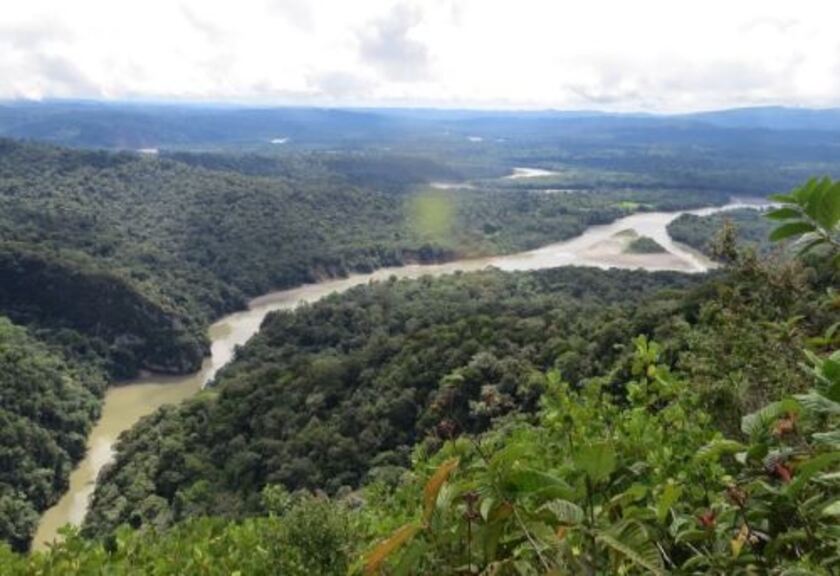
Photo: Agencia Peruana de Noticias Andina
Acción, adrenalina y naturaleza en su máxima pureza en un cañón de 3 km de largo y tan solo 45 metros de ancho. Sus rápidos, sus caídas de agua, sus acantilados cubiertos de verdor que superan los mil metros de altura, lo convierten en un auténtico desafío fluvial. Solo los navegantes expertos y los viajeros más osados se atreven a surcar las aguas bravías de este sector del río Urubamba.
Quise ser uno de ellos, pero el paro se prolongó. Mis planes se frustraron. Desde entonces, el pongo es un destino pendiente que ansío explorar este año, entre abril y noviembre (los mejores meses para cruzarlo). Es tiempo de revancha. Es tiempo de conocer el Santuario Nacional de Megantoni (Mainique está dentro de esta área protegida) y uno de los lugares sagrados del ancestral pueblo matsigenka.
Action, adrenaline and nature at their purest — all within a canyon three kilometres long and barely 45 metres wide. Its rapids, waterfalls and sheer green-cloaked cliffs rising more than a thousand metres high make it a true riverine challenge. Only experienced navigators and the boldest travellers dare to venture into the turbulent waters of this stretch of the Urubamba River.
I wanted to be one of them, but the strike dragged on. My plans were thwarted. Since then, the pongo has remained an unfinished dream — a destination I long to explore this year, between April and November (the best months to cross it). It’s time for redemption. It’s time to discover the Santuario Nacional de Megantoni — where Mainique lies within its protected boundaries — and one of the sacred places of the ancestral Matsigenka people.
Lookout pont of Tres Cruces de Oro
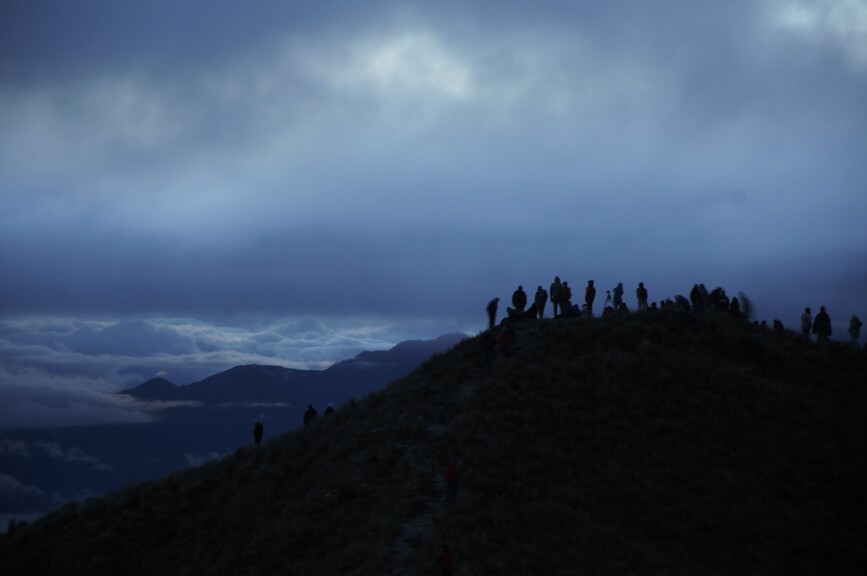
Another journey, another longed-for place in Cusco: Tres Cruces de Oro, a natural viewpoint in the province of Paucartambo. Another destination I will never forget — though, once again, not for the right reasons. My excursion fell far short of expectations, but not because of an unrequited love or the protests of the combative coca growers of La Convención.
This time, the blame lay with the horizon, the mist, the sun — perhaps even the moon. They all conspired to ensure that my experience at the lookout was not what it truly can be. Setting off before dawn from Paucartambo (2,906 metres above sea level) proved futile. This Andean colonial town, 105 kilometres from Cusco, prays, sings and dances from 16 to 19 July in honour of its beloved Mamacha, the Virgen del Carmen.
Nor was my stoic wait for daybreak at 3,700 metres rewarded. I wasn’t alone — several of us endured the bone-piercing cold in the hope of witnessing the “white ray”, a curious optical phenomenon that creates a visual distortion, making three suns appear “magically” on the horizon. It occurs most notably between 20 and 22 June, during the winter solstice.
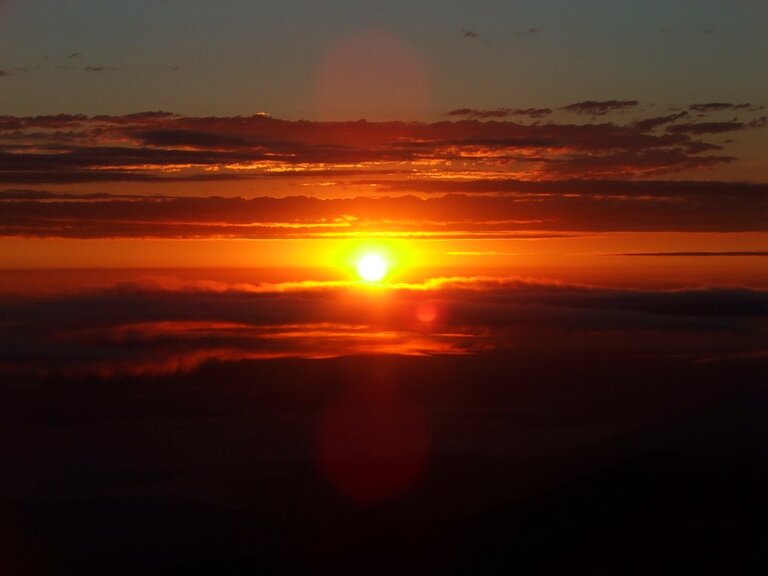
Photo: Luis Miranda´s blog
That’s what they say. That’s what I didn’t see on that particular morning at the “Balcony of the East”, as this viewpoint — located 45 kilometres from Paucartambo (about a 90-minute climb by road) — is also known. The three suns never appeared in a sky that slowly shook off the shadows of night, revealing — between intense glimmers of light — the forested expanse of Parque Nacional del Manu.
I won’t lie to you: it was a beautiful sunrise, just not the one I had hoped for. Bad luck! Travel is never perfect. There will always be unforeseen setbacks, disappointments and bitter moments that disrupt our plans. But that’s all right — we simply have to persist and set off again, once or even several times, towards those unfinished destinations and the places we couldn’t fully enjoy for one reason or another.
That’s the nature of the road — and precisely why we love it. Isn’t it?
February 25, 2026