


From Arequipa to Cusco: A travel film
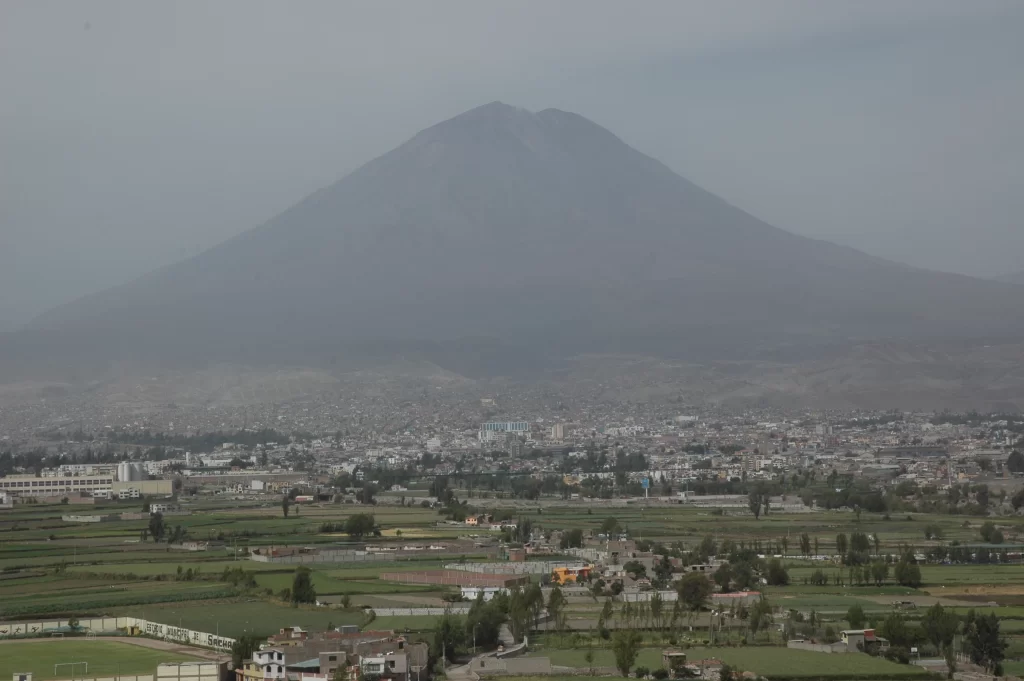
Before or after exploring Cusco, it’s very likely that your adventurous footsteps will take you to Arequipa. Writing this isn’t the result of some miraculous or divine revelation, nor is it because I’ve “read” your travel future with a handful of coca leaves. It’s not the product of wild visions brought on by a dose of ayahuasca — the powerful Amazonian brew — or by the Andean cactus known as San Pedro.
No divine intervention or ancestral rituals are needed to predict the journey of many travellers who come to Peru. It’s well known that the southern route from Cusco to Arequipa is, in a way, simply irresistible. This itinerary becomes even more appealing when you include the region of Puno, home to the peaceful waters of Lake Titicaca, and Madre de Dios, where the Andes melt into the rainforest.
What’s harder to predict is whether you’ll reach Cusco before or after visiting the “White City”, as Arequipa — the capital of the region of the same name — is famously called. The other question is: how will you do it? By land on a direct journey, with a few strategic stops along the way, or perhaps quickly by plane.
That’s the dilemma — and it’s one I’d like to help you solve with this tempting proposal.
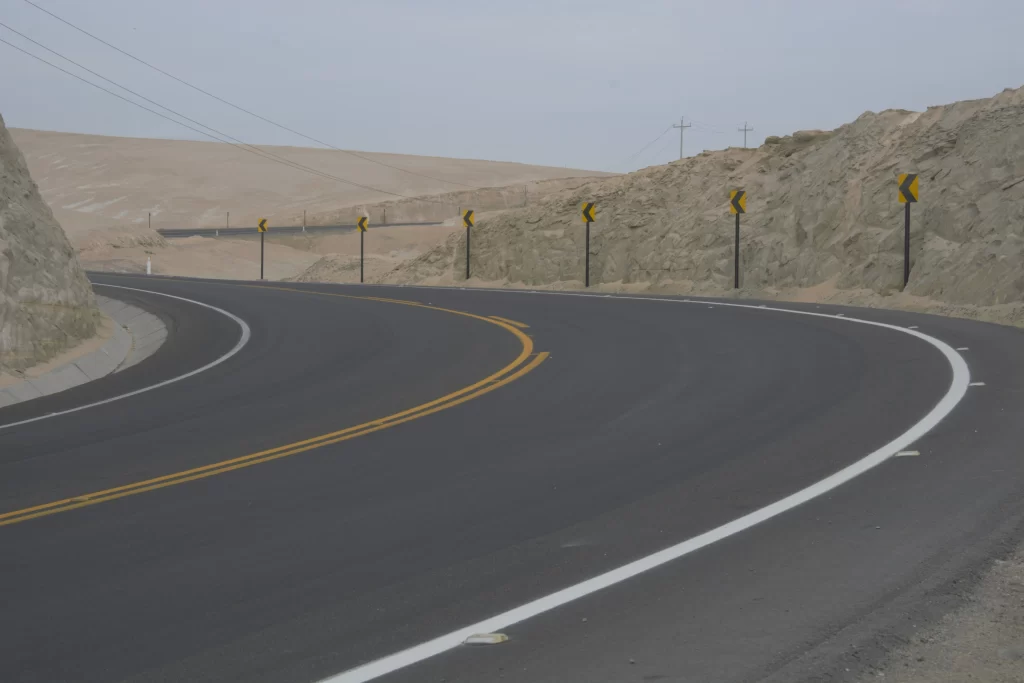
Before we begin the journey, I should give you a little warning: the route I’m about to suggest and describe requires time and patience. So forget about rushing or travelling in a whirlwind. A slower, more patient way of travelling will allow you to explore a series of places rich in history, culture, and breathtaking scenery, turning the trip to Cusco into a varied — and sometimes even surprising — experience.
Pack your rucksack and come along with me. We’re heading to Cusco caleteando — a Peruvian Spanish expression that means making lots of stops along the way. Getting off the bus, visiting an archaeological site or a beach, a pisco winery or a slice of desert, then returning to the road and repeating the cycle until your triumphant arrival at your final destination.
That’s the formula! What do you think? Off we go!
Traveller’s Steps in Arequipa
If this journey were a stage play or a film, Cusco — at 3,400 metres above sea level — would be where the scenes leading up to the long-awaited happy ending in Machu Picchu unfold. The marvellous Inca llaqta is usually the main destination for most globetrotters who come to Peru, a country that, whether you arrive by air, sea, or land, will always surprise you with its geographical diversity and its vast history.
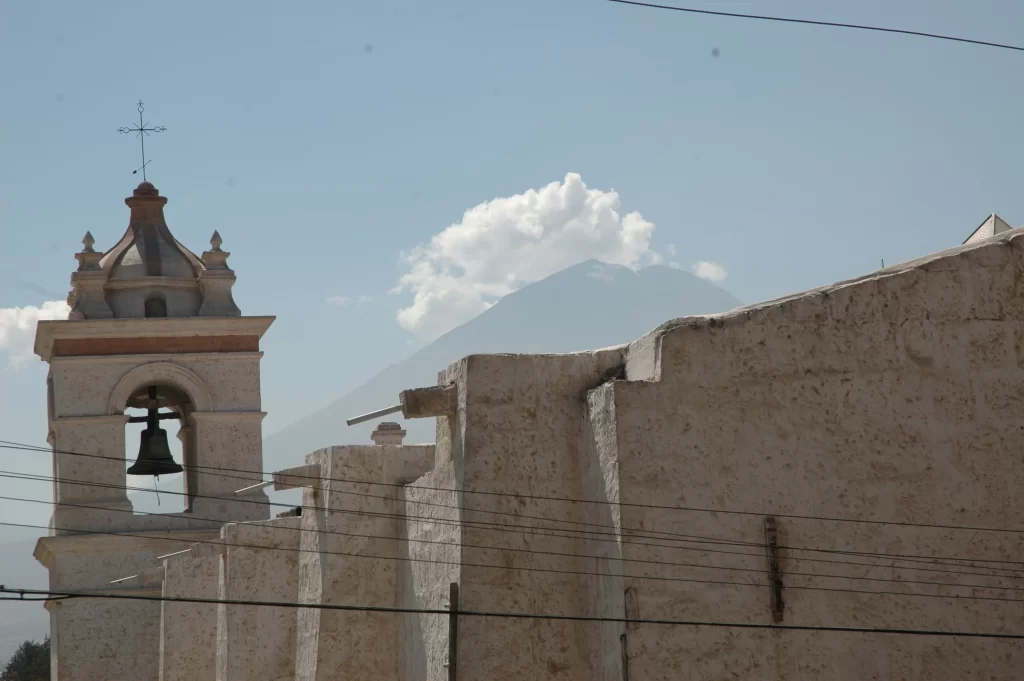
But before that dreamed-of finale, you will experience intense moments among the sillar quarries, the deep canyons, and the peaceful countryside and beaches of Arequipa. The aim is to fully enjoy the main attractions of a region that is at once coast, valley, and volcanic mountain range. The experience also includes a pilgrimage through the striking Historic Centre of its capital city (2,335 metres above sea level).
Declared a UNESCO World Cultural Heritage Site in December 2000, it was recognised as “an exceptional example of the fusion of local building techniques with European architectural trends, such as the Baroque style used in the decoration of the façades of religious buildings — among which the Convent of Santa Catalina stands out — as well as government buildings and private residences.”
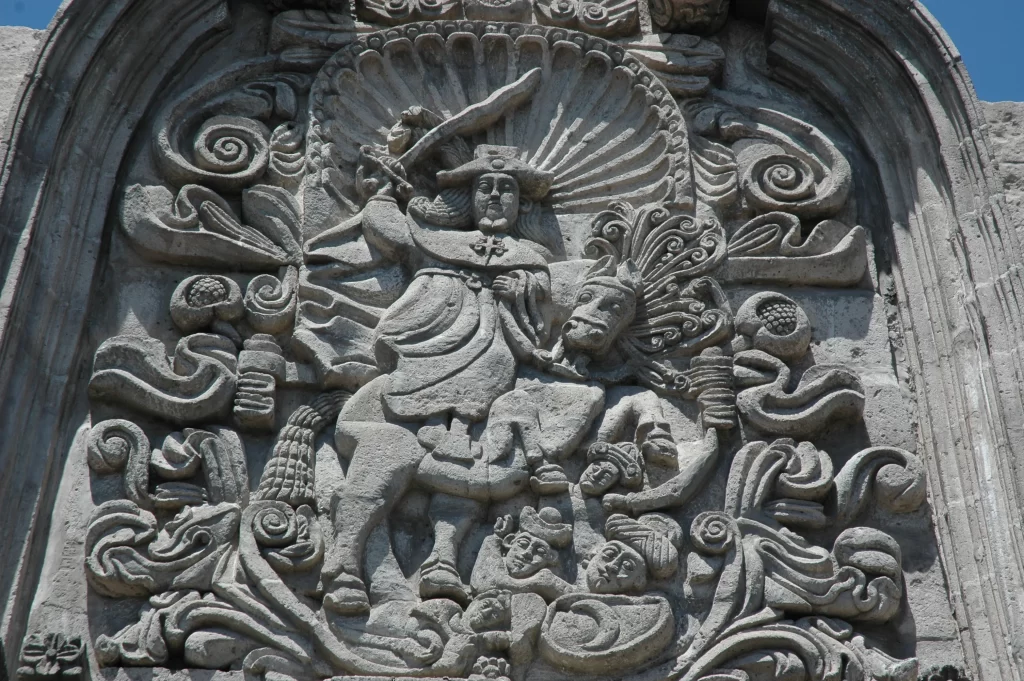
That is what you can read on the website of Peru’s World Heritage Sites. And it’s not the only thing mentioned. It also explains that “the ornate architecture of Arequipa’s Historic Centre represents a masterpiece of the creative integration of native and European features, crucial to the cultural expression of the entire region”, with sillar being a key element in its colonial constructions.
That last phrase does not appear on the page I mentioned. But you don’t need to be an expert to realise that sillar — the porous, lightweight volcanic stone used in Arequipa’s architecture — adds beauty to the churches, convents, and centuries-old mansions of the “White City”. Arequipa was founded on 15 August 1540 under the watchful presence of El Misti, the guardian volcano that rises powerfully on the city’s horizon.
How to Get to Arequipa?
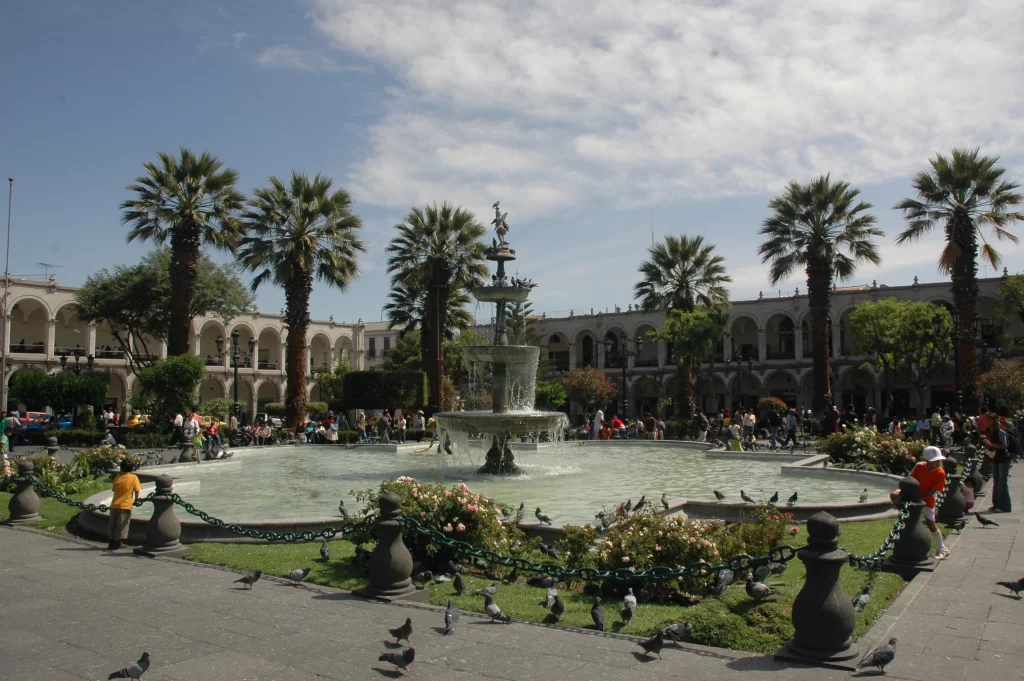
A stroll through the streets of the old town in the “City of El Misti” would be the first act of the play — or film — that I’m imagining for you, without any need to resort to ayahuasca or San Pedro. But the question is: how did you end up in Arequipa?
In this travel “script”, you will arrive from Lima, the country’s capital, founded on 18 January 1535 by the Spanish conquistador Francisco Pizarro.
With a population of over 10 million, the “Thrice-Crowned City” is a vibrant and multicultural metropolis, as well as Peru’s main gateway. Once in Lima, you won’t have much trouble travelling onwards to the country’s different regions and cities in Peru. The range of air and overland transport is wide, so you’ll find many types of services and prices to choose from.
You can reach the “Independent Republic of Arequipa” — as it is jokingly called — either by plane (flights take about 1 hour and 40 minutes) or by road. If you decide to travel by bus, you’ll need a bit of patience: the journey takes around 17 hours.
An interesting option is to make a few strategic stopovers along the way, visiting fascinating places such as the Paracas National Reserve or the Nazca Lines.
These tourist stops will make the journey longer, but they will also enrich your experiences. A highly recommended plan is to leave Lima at dawn (there are buses every day) and head to the district of Paracas (in the province of Pisco), where you can take a boat trip out to the Ballestas Islands and walk through the coastal desert. You can spend the night here, or, if you prefer, continue onwards to the Huacachina lagoon — the “Oasis of the Americas” in Ica.
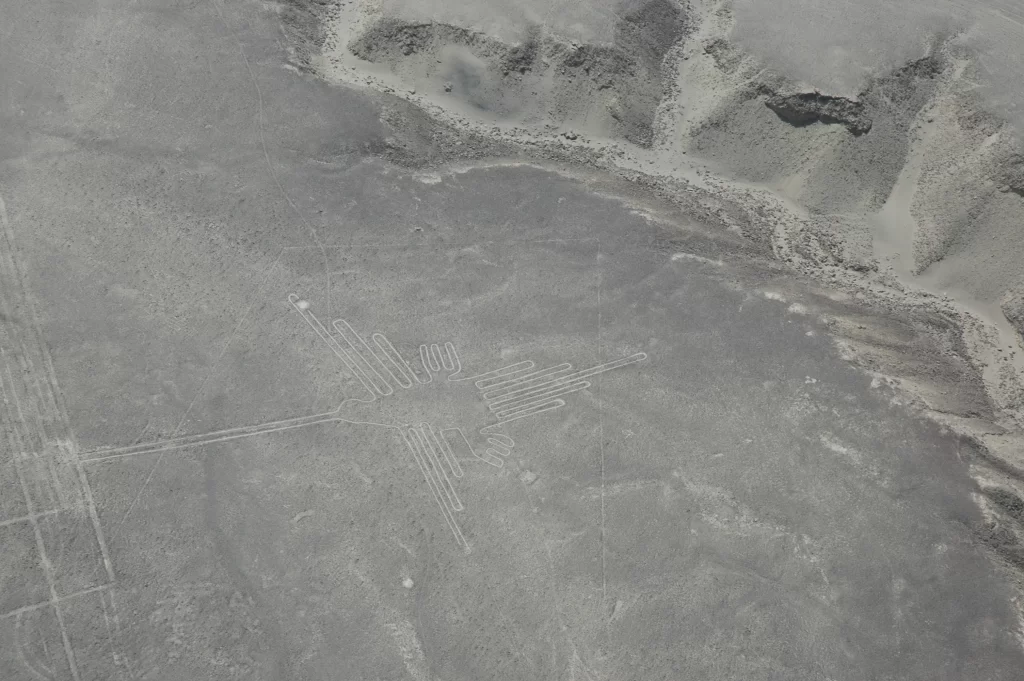
The next day, make your way to Nazca, where it is almost a must to fly over the pampas where the ancient peoples traced their mysterious geoglyphs. They turned the dry “skin” of the desert into a vast canvas, where you will see geometric, human-like, and animal-shaped figures. Once back on the ground, explore the ceremonial centre of Cahuachi and the aqueducts of Cantayoc.
The Arequipa–Cusco Route
Mission accomplished. Once in Nazca, hop on a bus to Arequipa (a 10-hour journey, cost: 100 soles). After exploring the city and its nearby attractions — including the beaches of Camaná and Islay — you will then set off towards Cusco.
The choice is yours. If you want to save time, you can fly to the “Historical Capital of Peru” (about 1 hour). If your budget doesn’t allow it, you can travel by bus instead (around 11 hours, cost: 90 soles).
But now I’d like to offer you another option. Yes — you guessed it: a journey with stops and stopovers to make your itinerary far more enjoyable. This is the main part of the play or film in which you are the protagonist.
So now you are leaving the “White City” bound for Chivay (3,635 metres above sea level), the capital of Caylloma Province and the main town of the Colca Valley and Canyon.
It’s a great idea to book a tour for this stretch. It will allow you to visit the Salinas and Aguada Blanca National Reserve — home to vicuñas and other high-Andean species — as well as the Andes Viewpoint, where you’ll see an entire court of volcanoes rising on the horizon.
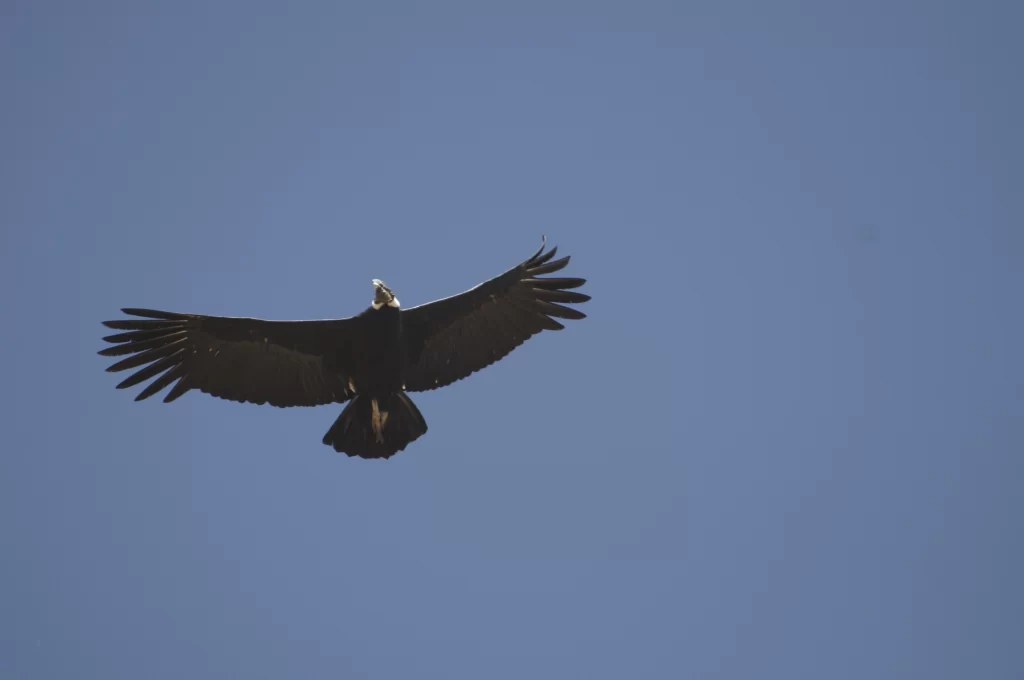
Spend the night in the valley and, the next day, head out in search of the condors gliding over the canyon. Along the way, you’ll also encounter pre-Hispanic agricultural terraces and beautiful colonial churches.
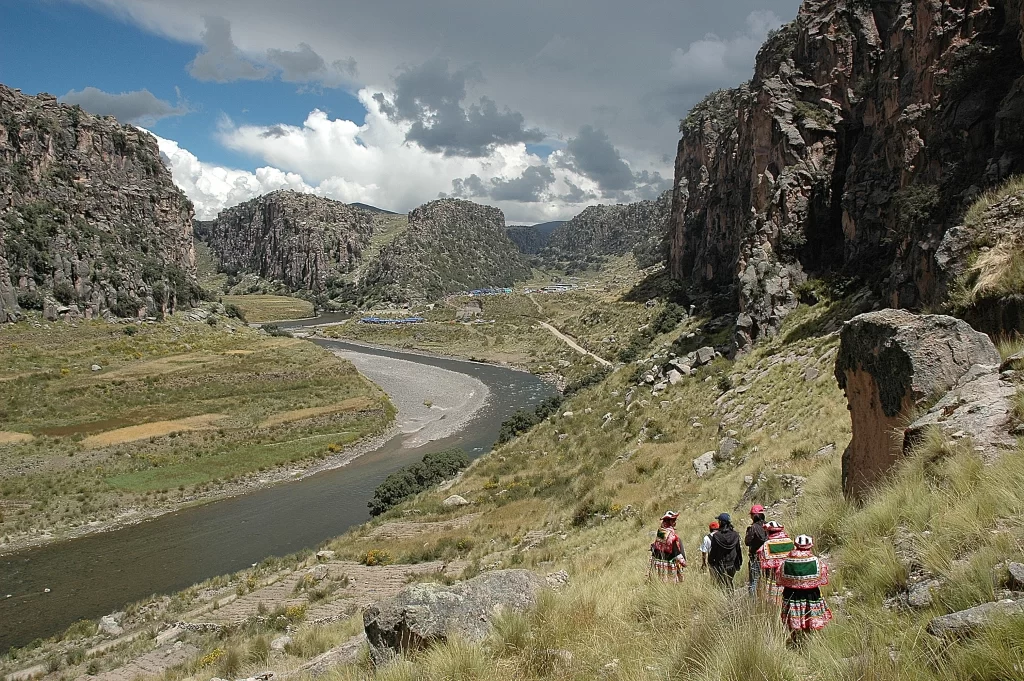
The next step — or rather, the next scene — will take you out of the Colca Valley and onwards to Espinar, in the Cusco region. Here, at 3,979 metres above sea level, the Tres Cañones de Suykutambo Regional Conservation Area awaits you: a spectacular landscape of towering cliffs and forests of queuñas (Andean polylepis trees).
This Cusco province is also home to rock paintings and pre-Inca archaeological sites such as K’anamarca and T’aqrachullo.
Yauri, the capital of Espinar, lies 226 kilometres from Cusco. If you’d like to keep enjoying — you could pause in Sicuani (in the province of Canchis) or visit Waqrapukara (in the province of Acomayo), one of the most astonishing and least visited Andean constructions.
There are even more possibilities, but we’ll leave them for the second part of this play… or film — although I must admit, the idea worries me a little, since sequels are rarely (if ever) as good as the original.
February 18, 2026